Wrap-up
![BTA Presents LIK Magazine Issue on Chitalishta Community Centres]()
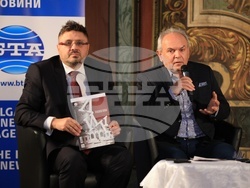
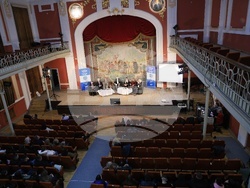
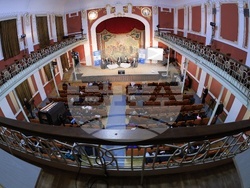
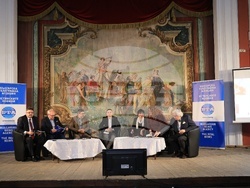
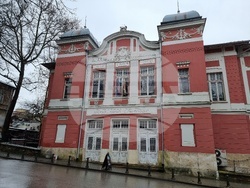
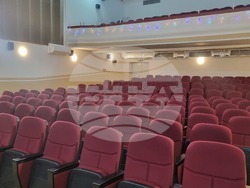
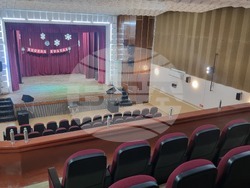
![BTA Presents LIK Magazine Issue on Chitalishta Community Centres]() Presentation of LIK's January issue at Bulgaria's first chitalishte community centre, Svishtov, on the Danube, January 30, 2026 (BTA Photo/Bisser Todorov)
Presentation of LIK's January issue at Bulgaria's first chitalishte community centre, Svishtov, on the Danube, January 30, 2026 (BTA Photo/Bisser Todorov)
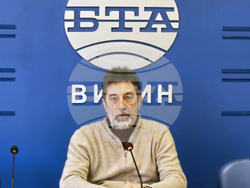
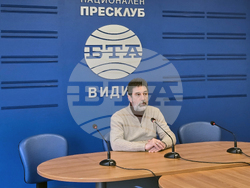
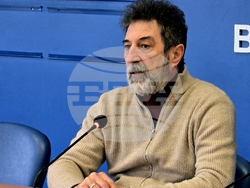
![Национален пресклуб на БТА Видин - списание ЛИК - „Читалищата в минало и бъдеще време“ - представяне]()
![Национален пресклуб на БТА Видин - списание ЛИК - „Читалищата в минало и бъдеще време“ - представяне]()
![Национален пресклуб на БТА Видин - списание ЛИК - „Читалищата в минало и бъдеще време“ - представяне]()
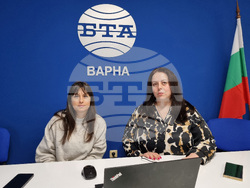
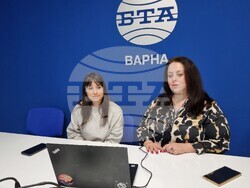
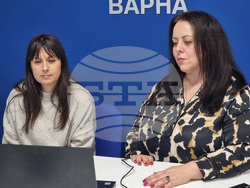
![Национален пресклуб на БТА Варна - списание ЛИК - представяне]()
![Национален пресклуб на БТА Варна - списание ЛИК - представяне]()
![Национален пресклуб на БТА Варна - списание ЛИК - представяне]()
![Национален пресклуб на БТА Варна - списание ЛИК - представяне]()
![Национален пресклуб на БТА Варна - списание ЛИК - представяне]()
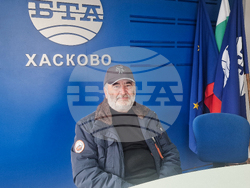
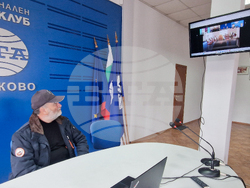
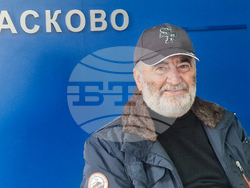
![Национален пресклуб на БТА - Хасково - списание ЛИК „Читалищата в минало и бъдеще време“ - представяне]()
![Национален пресклуб на БТА - Хасково - списание ЛИК „Читалищата в минало и бъдеще време“ - представяне]()
![Национален пресклуб на БТА - Хасково - списание ЛИК „Читалищата в минало и бъдеще време“ - представяне]()
![Национален пресклуб на БТА - Букурещ - списание ЛИК - „Читалищата в минало и бъдеще време“ - представяне]()
![Национален пресклуб на БТА - Букурещ - списание ЛИК - „Читалищата в минало и бъдеще време“ - представяне]()
![Национален пресклуб на БТА - Букурещ - списание ЛИК - „Читалищата в минало и бъдеще време“ - представяне]()
![Национален пресклуб на БТА - Букурещ - списание ЛИК - „Читалищата в минало и бъдеще време“ - представяне]()
![Национален пресклуб на БТА - Букурещ - списание ЛИК - „Читалищата в минало и бъдеще време“ - представяне]()
![Национален пресклуб на БТА - Букурещ - списание ЛИК - „Читалищата в минало и бъдеще време“ - представяне]()
![Национален пресклуб на БТА - Букурещ - списание ЛИК - „Читалищата в минало и бъдеще време“ - представяне]()
![Национален пресклуб на БТА - Букурещ - списание ЛИК - „Читалищата в минало и бъдеще време“ - представяне]()
![Национален пресклуб на БТА - Букурещ - списание ЛИК - „Читалищата в минало и бъдеще време“ - представяне]()
![Национален пресклуб на БТА - Букурещ - списание ЛИК - „Читалищата в минало и бъдеще време“ - представяне]()
![Национален пресклуб на БТА - Букурещ - списание ЛИК - „Читалищата в минало и бъдеще време“ - представяне]()
![Национален пресклуб на БТА - Букурещ - списание ЛИК - „Читалищата в минало и бъдеще време“ - представяне]()
![Национален пресклуб на БТА - Букурещ - списание ЛИК - „Читалищата в минало и бъдеще време“ - представяне]()
![Национален пресклуб на БТА - Букурещ - списание ЛИК - „Читалищата в минало и бъдеще време“ - представяне]()
![Национален пресклуб на БТА - Букурещ - списание ЛИК - „Читалищата в минало и бъдеще време“ - представяне]()
![Национален пресклуб на БТА - Букурещ - списание ЛИК - „Читалищата в минало и бъдеще време“ - представяне]()
![Национален пресклуб на БТА - Букурещ - списание ЛИК - „Читалищата в минало и бъдеще време“ - представяне]()
![Национален пресклуб на БТА - Букурещ - списание ЛИК - „Читалищата в минало и бъдеще време“ - представяне]()
![Национален пресклуб на БТА - Букурещ - списание ЛИК - „Читалищата в минало и бъдеще време“ - представяне]()
![Национален пресклуб на БТА - Букурещ - списание ЛИК - „Читалищата в минало и бъдеще време“ - представяне]()
![Национален пресклуб на БТА - Букурещ - списание ЛИК - „Читалищата в минало и бъдеще време“ - представяне]()
![Национален пресклуб на БТА - Букурещ - списание ЛИК - „Читалищата в минало и бъдеще време“ - представяне]()
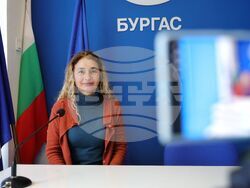
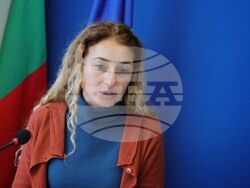
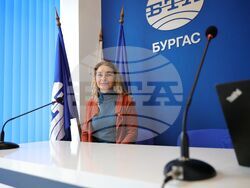
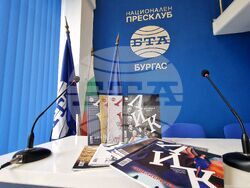
![Национален пресклуб на БТА - Бургас - списание ЛИК - представяне]()
![Национален пресклуб на БТА - Бургас - списание ЛИК - представяне]()
![Национален пресклуб на БТА - Бургас - списание ЛИК - представяне]()
![Национален пресклуб на БТА - Бургас - списание ЛИК - представяне]()
![Национален пресклуб на БТА - Бургас - списание ЛИК - представяне]()
![Национален пресклуб на БТА - Бургас - списание ЛИК - представяне]()
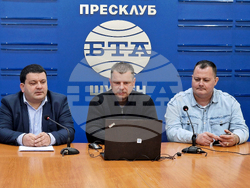
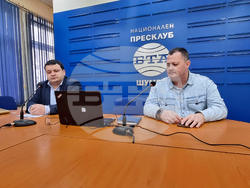
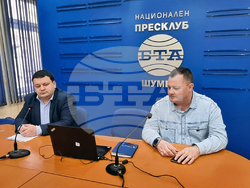
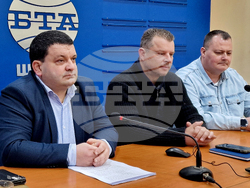
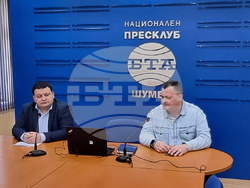
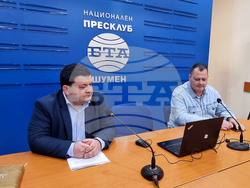
![Национален пресклуб на БТА Шумен - списание ЛИК - представяне]()
![Национален пресклуб на БТА Шумен - списание ЛИК - представяне]()
![Национален пресклуб на БТА Шумен - списание ЛИК - представяне]()
![Национален пресклуб на БТА Шумен - списание ЛИК - представяне]()
![Национален пресклуб на БТА Шумен - списание ЛИК - представяне]()
![Национален пресклуб на БТА Шумен - списание ЛИК - представяне]()
![Национален пресклуб на БТА Шумен - списание ЛИК - представяне]()
![Свищов - списание ЛИК „Читалищата в минало и бъдеще време“ - представяне]()
![Свищов - списание ЛИК „Читалищата в минало и бъдеще време“ - представяне]()
![Свищов - списание ЛИК „Читалищата в минало и бъдеще време“ - представяне]()
![Свищов - списание ЛИК „Читалищата в минало и бъдеще време“ - представяне]()
![Свищов - списание ЛИК „Читалищата в минало и бъдеще време“ - представяне]()
![Свищов - списание ЛИК „Читалищата в минало и бъдеще време“ - представяне]()
![Свищов - списание ЛИК „Читалищата в минало и бъдеще време“ - представяне]()
![Свищов - списание ЛИК „Читалищата в минало и бъдеще време“ - представяне]()
![Свищов - списание ЛИК „Читалищата в минало и бъдеще време“ - представяне]()
![Свищов - списание ЛИК „Читалищата в минало и бъдеще време“ - представяне]()
![Свищов - списание ЛИК „Читалищата в минало и бъдеще време“ - представяне]()
![Свищов - списание ЛИК „Читалищата в минало и бъдеще време“ - представяне]()
![Свищов - списание ЛИК „Читалищата в минало и бъдеще време“ - представяне]()
![Свищов - списание ЛИК „Читалищата в минало и бъдеще време“ - представяне]()
![Свищов - списание ЛИК „Читалищата в минало и бъдеще време“ - представяне]()
![Свищов - списание ЛИК „Читалищата в минало и бъдеще време“ - представяне]()
![Свищов - списание ЛИК „Читалищата в минало и бъдеще време“ - представяне]()
![Свищов - списание ЛИК „Читалищата в минало и бъдеще време“ - представяне]()
![Свищов - списание ЛИК „Читалищата в минало и бъдеще време“ - представяне]()
![Свищов - списание ЛИК „Читалищата в минало и бъдеще време“ - представяне]()
![Свищов - списание ЛИК „Читалищата в минало и бъдеще време“ - представяне]()
![Свищов - списание ЛИК „Читалищата в минало и бъдеще време“ - представяне]()
![Свищов - списание ЛИК „Читалищата в минало и бъдеще време“ - представяне]()
![Свищов - списание ЛИК „Читалищата в минало и бъдеще време“ - представяне]()
![Свищов - списание ЛИК „Читалищата в минало и бъдеще време“ - представяне]()
![Свищов - списание ЛИК „Читалищата в минало и бъдеще време“ - представяне]()
![Свищов - списание ЛИК „Читалищата в минало и бъдеще време“ - представяне]()
![Свищов - списание ЛИК „Читалищата в минало и бъдеще време“ - представяне]()
![Свищов - списание ЛИК „Читалищата в минало и бъдеще време“ - представяне]()
![Свищов - списание ЛИК „Читалищата в минало и бъдеще време“ - представяне]()
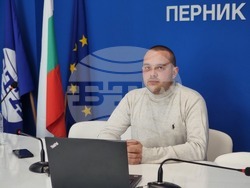
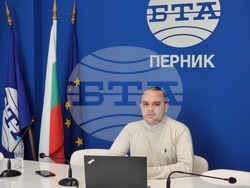
![Национален пресклуб на БТА - Перник - списание ЛИК „Читалищата в минало и бъдеще време“ - представяне]()
![Национален пресклуб на БТА - Перник - списание ЛИК „Читалищата в минало и бъдеще време“ - представяне]()
![Национален пресклуб на БТА - Перник - списание ЛИК „Читалищата в минало и бъдеще време“ - представяне]()
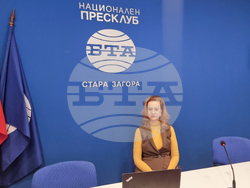
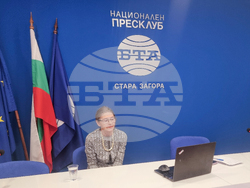
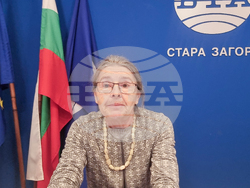
![Национален пресклуб на БТА - Стара Загора - списание ЛИК „Читалищата в минало и бъдеще време“ - представяне]()
![Национален пресклуб на БТА - Стара Загора - списание ЛИК „Читалищата в минало и бъдеще време“ - представяне]()
![Национален пресклуб на БТА - Стара Загора - списание ЛИК „Читалищата в минало и бъдеще време“ - представяне]()
![Опака - списание ЛИК „Читалищата в минало и бъдеще време“ - представяне]()
![Опака - списание ЛИК „Читалищата в минало и бъдеще време“ - представяне]()
![Опака - списание ЛИК „Читалищата в минало и бъдеще време“ - представяне]()
![Опака - списание ЛИК „Читалищата в минало и бъдеще време“ - представяне]()
![Опака - списание ЛИК „Читалищата в минало и бъдеще време“ - представяне]()
![Опака - списание ЛИК „Читалищата в минало и бъдеще време“ - представяне]()
![Опака - списание ЛИК „Читалищата в минало и бъдеще време“ - представяне]()
![Опака - списание ЛИК „Читалищата в минало и бъдеще време“ - представяне]()
![Опака - списание ЛИК „Читалищата в минало и бъдеще време“ - представяне]()
![Опака - списание ЛИК „Читалищата в минало и бъдеще време“ - представяне]()
![Опака - списание ЛИК „Читалищата в минало и бъдеще време“ - представяне]()
![Опака - списание ЛИК „Читалищата в минало и бъдеще време“ - представяне]()
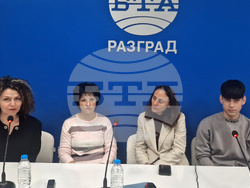
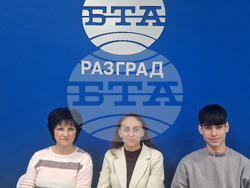
![Национален пресклуб на БТА Разград - списание ЛИК - представяне]()
![Национален пресклуб на БТА Разград - списание ЛИК - представяне]()
![Национален пресклуб на БТА Разград - списание ЛИК - представяне]()
![Национален пресклуб на БТА Разград - списание ЛИК - представяне]()
![Национален пресклуб на БТА Разград - списание ЛИК - представяне]()
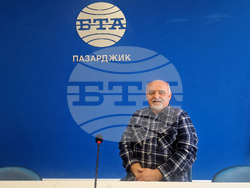
![Национален пресклуб на БТА Пазарджик - списание ЛИК „Читалищата в минало и бъдеще време“ - представяне]()
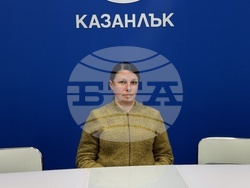
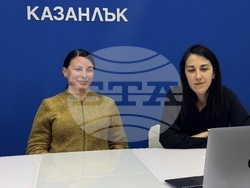
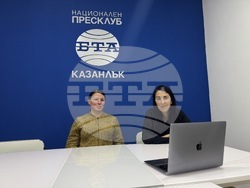
![Национален пресклуб на БТА Казанлък - списание ЛИК - представяне]()
![Национален пресклуб на БТА Казанлък - списание ЛИК - представяне]()
![Национален пресклуб на БТА Казанлък - списание ЛИК - представяне]()
![Национален пресклуб на БТА Казанлък - списание ЛИК - представяне]()
![Национален пресклуб на БТА Казанлък - списание ЛИК - представяне]()
![Национален пресклуб на БТА Казанлък - списание ЛИК - представяне]()
site.btaBTA Presents LIK Magazine Issue on Chitalishta Community Centres
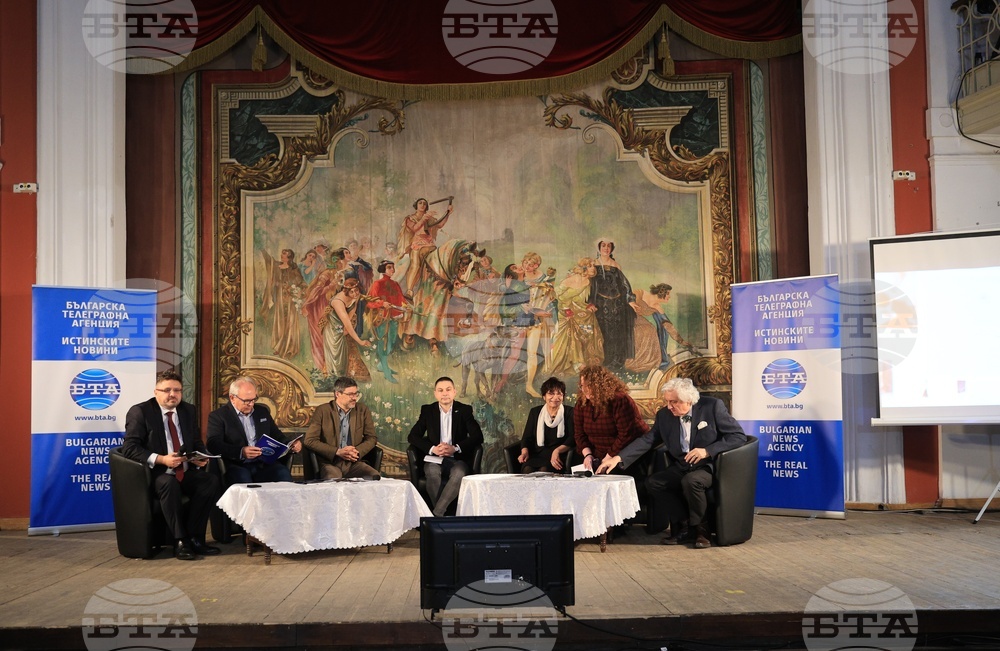
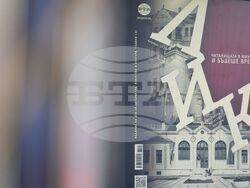
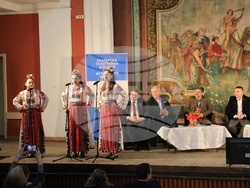
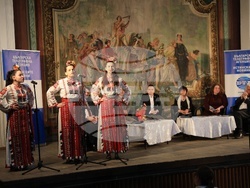
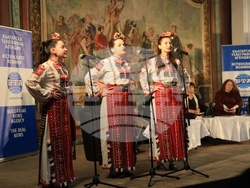
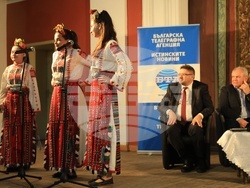
The January issue of LIK – BTA’s magazine for literature, culture and art – was presented at a special event in Svishtov (on the Danube) and across the Agency’s press clubs in Bulgaria and abroad on Friday. The issue is dedicated to the chitalishta community centres.
Titled "Chitalishta: Past and Future", it marks the 170th anniversary of the first Bulgarian chitalishte, founded on January 30, 1856 in Svishtov. Drawing on highlights from BTA’s rich archive, the magazine explores the history and future of these cultural institutions, often described as a uniquely Bulgarian phenomenon.
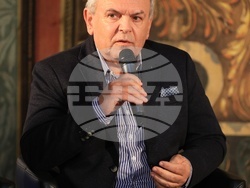
Presenting the new issue of LIK at Svishtov’s chitalishte community centre, BTA Director General Kiril Valchev said that the development of Bulgarian community centres is due to the combination of the leadership of enlighteners and the assistance of their benefactors. He recalled that during the Bulgarian National Revival, over 130 community centres were actively operating across the country thanks to the efforts of wealthier, enlightened and patriotic Bulgarians. Since 2020, BTA has secured the right to free distribution of information not only to a narrow circle of state institutions, but also to civil society through community centres, Valchev pointed out, adding that BTA is planning a new, better organization of its website for systematic publication of news from community centres as well.
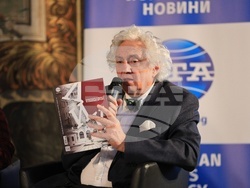
Editor-in-chief of LIK magazine Assoc. Prof. Georgi Lozanov said that literacy is only achieved by reading books. The Bulgarian chitalishte community centre is associated with reading, but not just with reading, because now we read on all sorts of screens, but with reading books. This is a space-time, the basis of which is reading books and, more generally, literacy. The community centre was created at the time by literate people and in the name of literacy," Lozanov noted. He believes that community centres will be reborn in the future, with a very key role in culture. "The community centre is actually a cultural space that brings together various cultural activities and artistic performances, but in addition to a cultural space, the community centre is a chronotope," Lozanov noted, adding that a chronotope is a term that connects space with time.
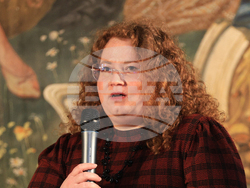
Yanitsa Hristova, Editor of LIK magazine, talked about her experience with community centres and how they influenced her career choices. She pointed out that in the town where she completed her education, the local community centre supported cultural life with monthly theatre performances and meetings with contemporary writers. She addressed the guests in the audience - pupils from several schools in Svishtov - with the words: "You are currently facing what are perhaps the biggest decisions of your lives. Visit the community centre more often, perhaps here you will find the answers you need." She recalled that BTA's archives contain publications not only on the activities of community centres in Bulgaria, but also on their presentation abroad.
Plamen Aleksandrov, chair of the Elenka and Kiril D. Avramovi –1856 chitalishte in Svishtov, the first Bulgarian chitalishte community centre, said that the chitalishte is the third oldest institution in Bulgaria; only the school and the church are older. On his chitalishte’s 170th anniversary, he said that these 170 years “are truly a good sign that what was created before the State was founded is still alive today and continues to bring people together, continues to fulfill its social role and to be our common home." He recalled that the founders of the Svishtov community centre printed mathematics textbooks and set aside 100 copies for distribution to Bulgarian schools in Macedonia. "Imagine the view these people had of the world and of how things ought to be. A bow to them. I hope that today, 170 years later, we will try to be their worthy successors,” Aleksandrov concluded.
Librarian Vesselina Spassova said that the library of the Elenka and Kiril D. Avramovi - 1856 First Bulgarian Chitalishte Community Centre holds extremely valuable library documents. The library is almost 170 years old and is one of the oldest institutions in Bulgaria. Interesting library collections stored here include the Vaskidovich Fund, manuscripts and old prints, first textbooks, the Pre-Liberation Fund, issues of the State Gazette, and diaries of the National Assembly. Modern technologies create opportunities for much broader and more efficient access to library resources and collections. The library team works to present its holdings, collections, and archives in an attractive way, Spassova added.
Yordan Eftimov, literary scholar and lecturer at Sofia's New Bulgarian University, said that wealthy people made sacrifices and founded the first chitalishta community centres in Bulgaria. "We live in a time when there are achievements in business, but there is not much clarity about what the major achievements in the field of culture are," he said. According to him, the Bulgarian News Agency can help restore reading culture by reminding the people who drive the country's economy that they must be attentive and critical of what is happening in the country in the field of culture.
Rosen Marinov, Director of the Culture and Cultural Heritage Directorate of Svishtov Municipality, said that despite the problems they face today, community centres continue to be active institutions and even major cultural centres in many settlements, despite history also remembering more difficult times in which they had to survive. "I welcome BTA's idea that in the new issue of LIK magazine, reference is made not only to history, but also to the present and future of community centres. Because while we cannot change history, we can influence the present and outline different paths for the future development of the community centre," Marinov said.
Guests from the BTA press clubs in Bucharest, Odesa, Taraclia, and Antarctica also joined the conversation.
Prof. Christo Pimpirev, head of the Bulgarian Antarctic Institute, joined from Punta Arenas, Chile. He said that Antarctica is a place for reading, and the Bulgarian base on Livingston Island and the Bulgarian naval research ship Sv. Sv. Kiril i Metodii are in a way chitalishta community centres. "I can safely say that we have a very rich library at the Bulgarian base, and at any given moment you can see one of our polar explorers with a book in their hands," said Prof. Pimpirev. "So, read. We read in Antarctica, but let's not forget to read in Bulgaria and visit more and more community centres and community libraries," he advised.
Journalist, poet and genealogist Dmitri Borimecicov joined the presentation from the BTA Press Club in Taraclia, Moldova. He said that the local Major Olimpiy Panov National Community Centre, set up as a cultural and dramatic centre, played an important role in the revival of Bulgarian culture. The Centre was solemnly opened on November 8, 1992, on the initiative of the National Community Centre Foundation from Sofia with chair Georgi Tsvetkov and with the support of local cultural figures, Borimecicov recalled. "Over the years, it has established itself as a centre of the Bulgarian intelligentsia in the southern part of Moldova," he noted. Over more than 20 years of activity, the community centre has revived traditional holidays and customs in Taraclia and the surrounding villages.
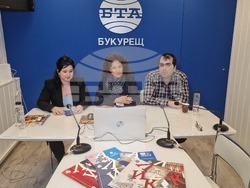
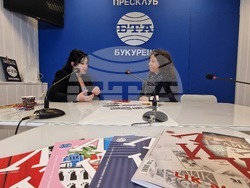
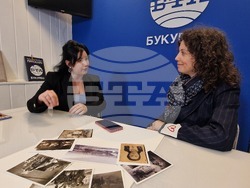
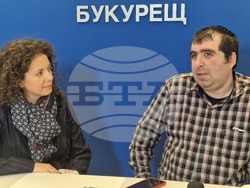
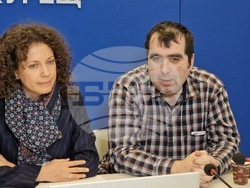
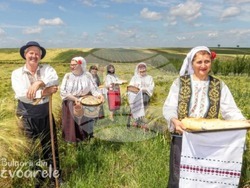
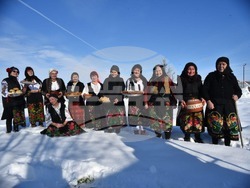
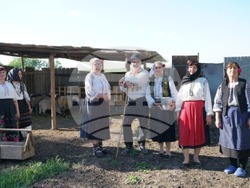
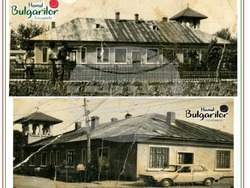
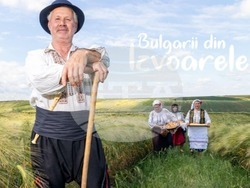
The BTA Press Club in Bucharest had two guests for the presentation of LIK’s January issue: Bianca Vasile, a Romanian with Bulgarian roots who is a journalist and one of the founders of the Bulgarian minority association in Izvoarele, Bulgarian Springs, and journalist Vladimir Mitev from the Romanian office of the Bulgarian National Radio, founder of the Bulgarian-Romanian blog The Bridge of Friendship. Vasile said that the chitalishte community centre in Romania's Izvoarele is a gathering place for the Bulgarian community there. "Bulgarians settled in Izvoarele about 200 years ago. They still preserve their language and traditions today. They used to gather at gatherings, at the drinking fountains, and at the villagers' houses. Since 1930, the chitalishte community centre has been the place where the main activities of the community take place: celebrations, meetings, and cultural events. Weddings are even held there," said Vasile.
Mitev drew attention to the Angela Chakaryan Armenian Community Centre in Ruse, on the Danube. “As you know, the Armenian community in Ruse has existed for centuries, and its first church, as far as I know, dates back to the 17th century and is one of the oldest in the Balkans. The Armenian ties between Armenians from Ruse and Bucharest are also long-standing. An example of this is Emanuel Mirzoyan, known in Bucharest as Manuc Bei, founder and builder of Manuc's Inn in Bucharest. We are literally metres away from it here, in the BTA Press Club in Bucharest," Mitev noted.
The Ivan Vazov Bulgarian Library in Odesa is part of the cultural and educational life of the Bulgarian community, according to guests at the BTA Press Club in the Ukrainian Black Sea city. All-Ukrainian Centre for Bulgarian Culture Director Dimitar Terzi said that their Bulgarian library has become a classic Bulgarian community centre since its establishment in October 1998. It is one of the most necessary tools for the development, knowledge enhancement, and education of the Bulgarian community in Odesa," noted Terzi. "The Ivan Vazov Library was established with the assistance of the Odesa Bulgarian Society, the All-Ukrainian Centre for Bulgarian Culture, and active Bulgarians. Today, the main collection consists of over 7,000 volumes of scientific, historical, and educational literature, and we have many Bulgarian classics," he explained.
The Deputy Director of the Odesa City Centralized Library System for Children, Alexandra Deli, spoke about the links between her institution and the Ivan Vazov Library and the Odesa City Centralised Library System for Children in Odesa, announcing that their library collection includes 53 books in Bulgarian. The centralized city library system for children was established in 1976 and today comprises 19 branches, she specified. "The total number of books in the collection is 254,000. Last year, our system served 89,000 readers. In recent years, branch libraries have gradually been transformed into centres for family reading, where children actively use library services together with their parents," she noted.
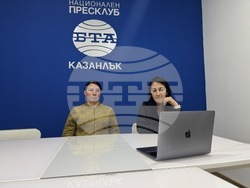
The presentation of LIK's January issue also involved the BTA correspondents and their guests in Blagoevgrad, Burgas, Varna, Veliko Tarnovo, Vidin, Vratsa, Gabrovo, Gotse Delchev, Dobrich, Kazanlak, Kardzhali, Kyustendil, Lovech, Montana, Pazardzhik, Pernik, Petrich, Pleven, Plovdiv, Razgrad, Ruse, Silistra, Sliven, Smolyan, Stara Zagora, Troyan, Targovishte, Haskovo, Shumen, Yambol.
/DS/

Additional
















news.modal.image.header
news.modal.image.text
news.modal.download.header
news.modal.download.text
news.modal.header
news.modal.text