Wrap-up
![Bulgarian Municipalities Focus on Unity, Investment, Waste Reform, Digital Transformation at Association's General Assembly]()
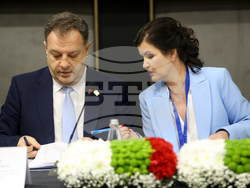
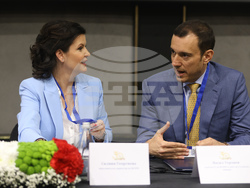
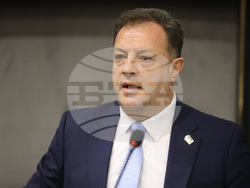
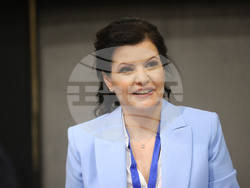
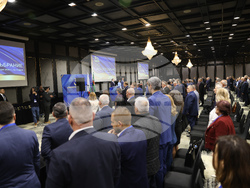
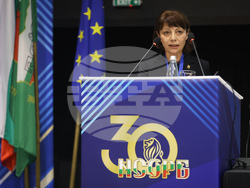
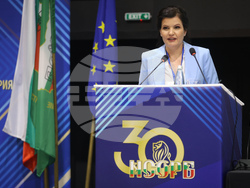
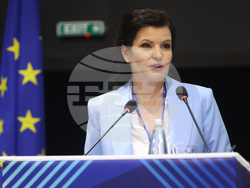
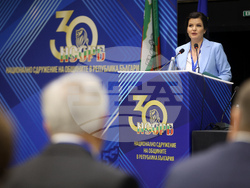
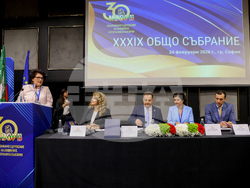
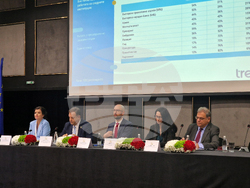
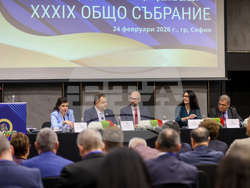
![Bulgarian Municipalities Focus on Unity, Investment, Waste Reform, Digital Transformation at Association's General Assembly]() Snapshot of the meeting (BTA Photo/Milena Stoykova)
Snapshot of the meeting (BTA Photo/Milena Stoykova)
![Национално сдружение на общините в Република България - общо събрание]()
![Национално сдружение на общините в Република България - общо събрание]()
![Национално сдружение на общините в Република България - общо събрание]()
![Национално сдружение на общините в Република България - общо събрание]()
![Национално сдружение на общините в Република България - общо събрание]()
![Национално сдружение на общините в Република България - общо събрание]()
![Национално сдружение на общините в Република България - общо събрание]()
![Национално сдружение на общините в Република България - общо събрание]()
![Национално сдружение на общините в Република България - общо събрание]()
![Национално сдружение на общините в Република България - общо събрание]()
![Национално сдружение на общините в Република България - общо събрание]()
![Национално сдружение на общините в Република България - общо събрание]()
![Национално сдружение на общините в Република България - общо събрание]()
![Национално сдружение на общините в Република България - общо събрание]()
![Национално сдружение на общините в Република България - общо събрание]()
![Национално сдружение на общините в Република България - общо събрание]()
![Национално сдружение на общините в Република България - общо събрание]()
![Национално сдружение на общините в Република България - общо събрание]()
![Национално сдружение на общините в Република България - общо събрание]()
![Национално сдружение на общините в Република България - общо събрание]()
![Национално сдружение на общините в Република България - общо събрание]()
![Национално сдружение на общините в Република България - общо събрание]()
![Национално сдружение на общините в Република България - общо събрание]()
![Национално сдружение на общините в Република България - общо събрание]()
![Национално сдружение на общините в Република България - общо събрание]()
![Национално сдружение на общините в Република България - общо събрание]()
![Национално сдружение на общините в Република България - общо събрание]()
![Национално сдружение на общините в Република България - общо събрание]()
![Национално сдружение на общините в Република България - общо събрание]()
![Национално сдружение на общините в Република България - общо събрание]()
![Национално сдружение на общините в Република България - общо събрание]()
![Национално сдружение на общините в Република България - общо събрание]()
![Национално сдружение на общините в Република България - общо събрание]()
![Национално сдружение на общините в Република България - общо събрание]()
![Национално сдружение на общините в Република България - общо събрание]()
![Национално сдружение на общините в Република България - общо събрание]()
![Национално сдружение на общините в Република България - общо събрание]()
![Национално сдружение на общините в Република България - общо събрание]()
![Национално сдружение на общините в Република България - общо събрание]()
![Национално сдружение на общините в Република България - общо събрание]()
![Национално сдружение на общините в Република България - общо събрание]()
![Национално сдружение на общините в Република България - общо събрание]()
![Национално сдружение на общините в Република България - общо събрание]()
![Национално сдружение на общините в Република България - общо събрание]()
![Национално сдружение на общините в Република България - общо събрание]()
![Национално сдружение на общините в Република България - общо събрание]()
![Национално сдружение на общините в Република България - общо събрание]()
![Национално сдружение на общините в Република България - общо събрание]()
![НСОРБ - 39-то общо събрание]()
![НСОРБ - 39-то общо събрание]()
![НСОРБ - 39-то общо събрание]()
![НСОРБ - 39-то общо събрание]()
![Национално сдружение на общините в Република България - общо събрание]()
![Национално сдружение на общините в Република България - общо събрание]()
![Национално сдружение на общините в Република България - общо събрание]()
![Национално сдружение на общините в Република България - общо събрание]()
![Национално сдружение на общините в Република България - общо събрание]()
![Национално сдружение на общините в Република България - общо събрание]()
![Национално сдружение на общините в Република България - общо събрание]()
![Национално сдружение на общините в Република България - общо събрание]()
![Национално сдружение на общините в Република България - общо събрание]()
![Национално сдружение на общините в Република България - общо събрание]()
![Национално сдружение на общините в Република България - общо събрание]()
site.btaBulgarian Municipalities Focus on Unity, Investment, Waste Reform, Digital Transformation at Association's General Assembly
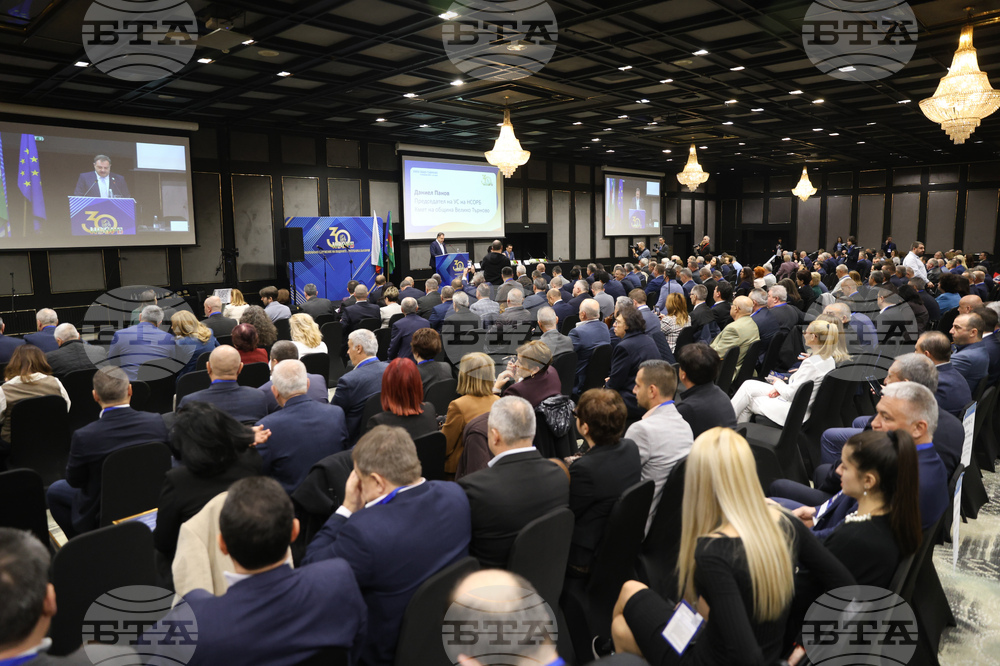
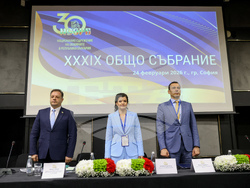
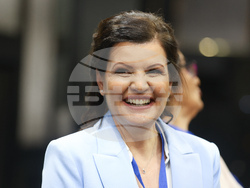
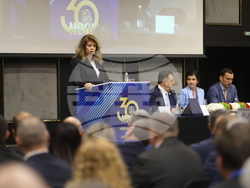
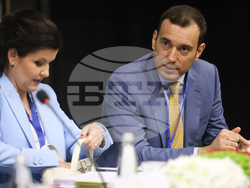
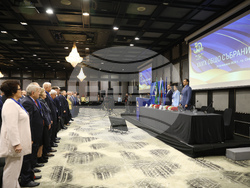
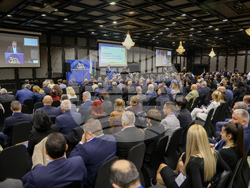
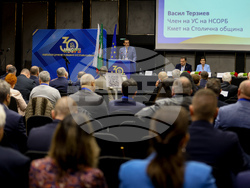
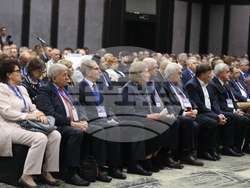
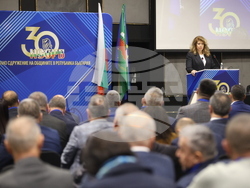
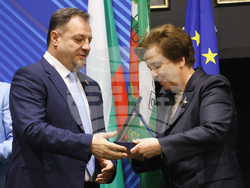
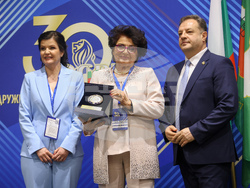
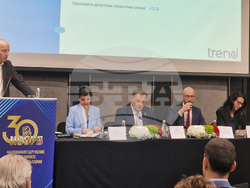
Mayors and municipal officials from across Bulgaria gathered in Sofia on Tuesday for the 39th General Assembly of the National Association of Municipalities in the Republic of Bulgaria (NAMRB), discussing the key priorities for local government, including financial stability, accelerated European investments, sectoral reforms, digital transformation, and enhanced public services. The event also highlighted the role of municipalities in upholding democracy, ensuring security, and implementing climate and environmental policies.
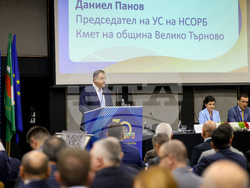
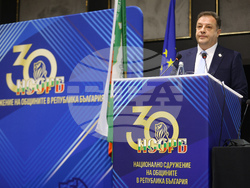
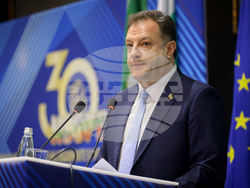
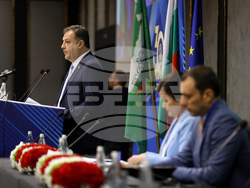
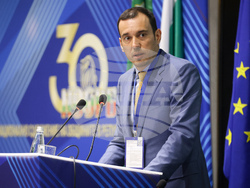
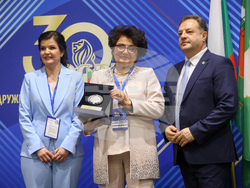
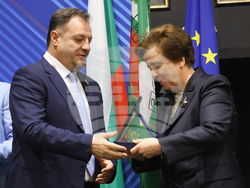
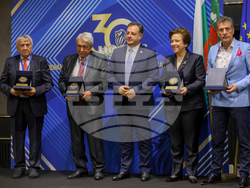
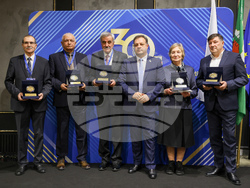
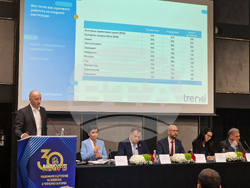
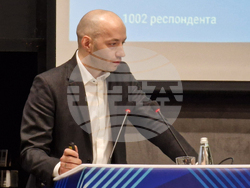
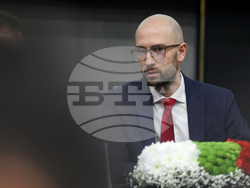
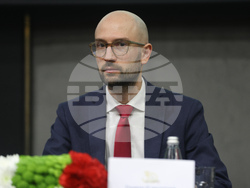
Daniel Panov, Chair of the NAMRB Management Board and Mayor of Veliko Tarnovo, opened the General Assembly by emphasizing that local authorities uphold democracy on the ground and cannot delay decisions during crises and emergencies. He highlighted the participation of 329 delegates from 197 municipalities as a sign of the association’s legitimacy and unity, marking the start of events commemorating NAMRB’s 30th anniversary. Panov stressed the importance of political unity, professional governance, predictable financial rules, and respect for local self-government, while also calling for enhanced security for municipal representatives following an attack on a mayor.
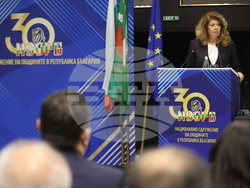
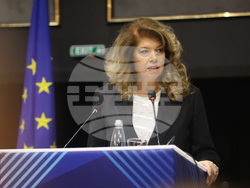
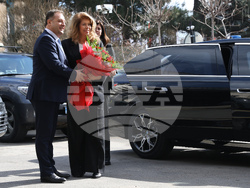
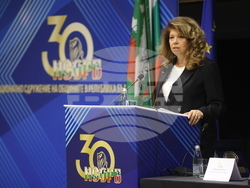
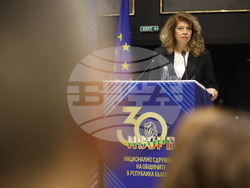
President Iliana Iotova addressed the delegates, noting that national goals are achievable only with the support of all 265 municipalities. She underscored the critical role of local authorities in ensuring fair, transparent, and well-organized elections, particularly ahead of the upcoming early parliamentary elections, emphasizing that strong local self-government is essential for any policy to succeed.
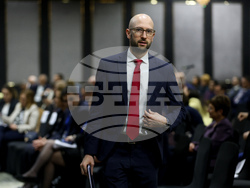
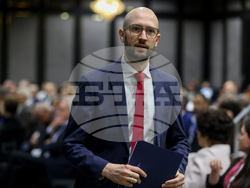
Caretaker Finance Minister Georgi Klisurski informed delegates that a second budget extension law would be submitted to the Council of Ministers to ensure the normal functioning of the state beyond March 31. He highlighted the government’s priorities: funding the April 19 elections, extending the budget, and unblocking all payments to municipalities under the National Investment Programme. Klisurski noted that around EUR 460 million is available for municipalities that meet legal requirements and praised the successful introduction of the euro.
Klisurski also stated that approximately EUR 200 million in already approved municipal projects are awaiting disbursement. He emphasized that municipalities should be able to spend up to the level of their own collected revenues, with capital expenditures requiring explicit approval. The total resource in the investment programme under the budget extension law is around EUR 450–460 million, with part already disbursed. He confirmed readiness to improve coordination with municipalities to accelerate payments and ensure smooth execution of investment projects.
Caretaker Minister of Environment and Water Julian Popov urged municipalities to take a more active role in waste and water management, implement the “polluter pays” principle, and encourage competition in the sector. He stressed that only a few municipalities have advanced in applying the new waste fee model and clarified that the principle would not lead to excessive fee increases. Popov called for transparency in the deposit return system, emphasized turning waste into a valuable resource, addressed challenges in water management, and highlighted the need for local implementation of climate adaptation strategies and EU decarbonization measures.
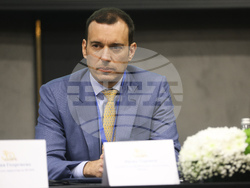
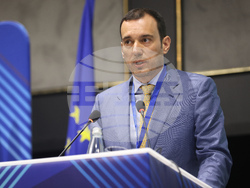
Sofia Mayor Vasil Terziev emphasized the crucial role of the Association as a platform for coordinated local government positions and consistent advocacy for municipal interests. He highlighted that mayors face daily choices between short-term convenience and long-term responsibility, stressing the need to plan strategically for infrastructure, education, the environment, and financial sustainability while prioritizing public interest over political or momentary considerations. Terziev noted that local government remains the most stable pillar amid a dynamic political environment, ensuring continuity of policies and services regardless of changes at the national level. He cited Sofia’s recent achievements, including accelerated construction of kindergartens and schools, modernization of public transport, neighborhood infrastructure upgrades, air quality measures, expansion of green spaces, and digitalization for more efficient public services. The mayor underscored the importance of coordinated action between municipalities and the central government, stressing professional, predictable, and constructive dialogue on budgets, European funding, strategic infrastructure, and regulatory changes, urging municipalities to act decisively for long-term benefits for citizens.
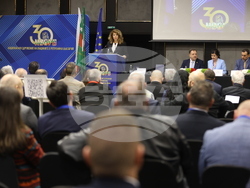
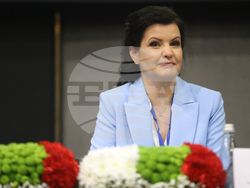
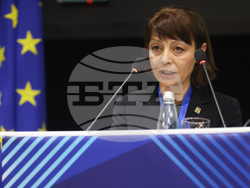
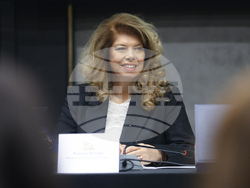
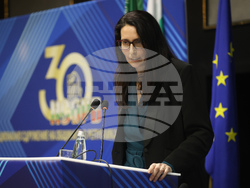
Deputy Chair Donka Mihaylova presented NAMRB’s 2026 program, emphasizing accelerating European investments, implementing sectoral reforms in waste, energy, and transport, and advancing digital transformation. The association will monitor over 2,100 Recovery and Resilience Plan projects, ensure municipalities have a role in the EU’s 2028–2034 multiannual financial framework, develop a new model for assessing budgetary subsidies, and establish a Digital Transformation Center to support AI solutions, e-document management, cybersecurity, and shared IT services.
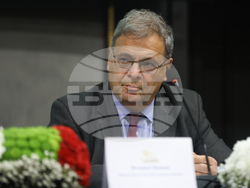
NAMRB presented its 2025 annual report, highlighting a stable and consistent performance aligned with its core objectives. Chair Daniel Panov and Control Board Chair Nebi Bozov noted the association’s engagement in defending municipal interests, finalizing thousands of EU- and state-funded projects, issuing over 160 reasoned opinions on legislation, and providing training initiatives for councillors and administration staff. Membership fee collection was high, with revenues of BGN 2,973,000 from 256 municipalities, and the General Assembly approved the Management and Control Board reports.
/MY/
Additional




news.modal.image.header
news.modal.image.text
news.modal.download.header
news.modal.download.text
news.modal.header
news.modal.text