Association of Municipalities holds General Assembly
![Environment Minister Calls for More Active Role of Municipalities in Waste, Water Management]()
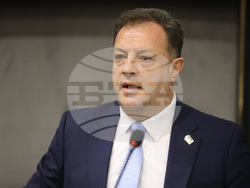
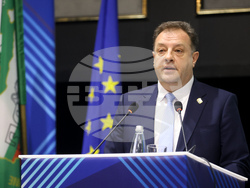
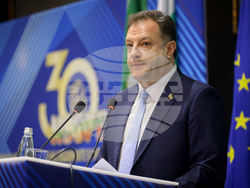
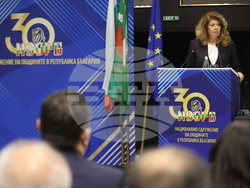
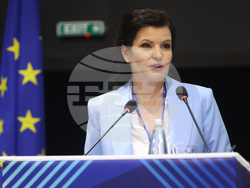
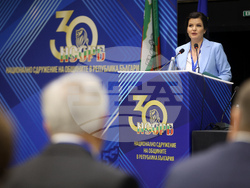
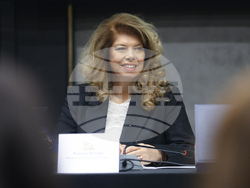
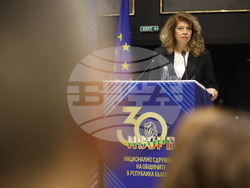
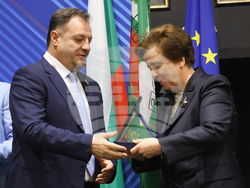
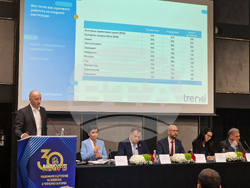
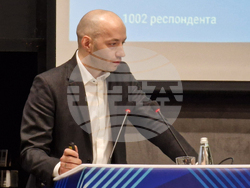
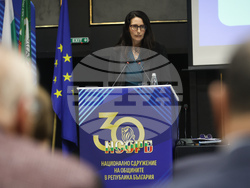
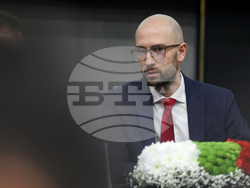
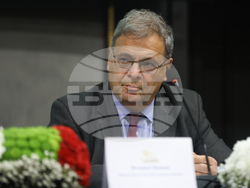
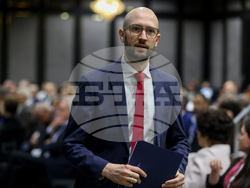
![Environment Minister Calls for More Active Role of Municipalities in Waste, Water Management]() Environment and Water Minister Julian Popov at the conference (BTA Photo/Milena Stoykova)
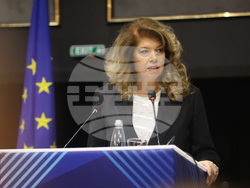
Environment and Water Minister Julian Popov at the conference (BTA Photo/Milena Stoykova)
![Национално сдружение на общините в Република България - общо събрание]()
![Национално сдружение на общините в Република България - общо събрание]()
![Национално сдружение на общините в Република България - общо събрание]()
![Национално сдружение на общините в Република България - общо събрание]()
![Национално сдружение на общините в Република България - общо събрание]()
![Национално сдружение на общините в Република България - общо събрание]()
![Национално сдружение на общините в Република България - общо събрание]()
![Национално сдружение на общините в Република България - общо събрание]()
![Национално сдружение на общините в Република България - общо събрание]()
![Национално сдружение на общините в Република България - общо събрание]()
![Национално сдружение на общините в Република България - общо събрание]()
![Национално сдружение на общините в Република България - общо събрание]()
![Национално сдружение на общините в Република България - общо събрание]()
![Национално сдружение на общините в Република България - общо събрание]()
![Национално сдружение на общините в Република България - общо събрание]()
![Национално сдружение на общините в Република България - общо събрание]()
![Национално сдружение на общините в Република България - общо събрание]()
![Национално сдружение на общините в Република България - общо събрание]()
![Национално сдружение на общините в Република България - общо събрание]()
![Национално сдружение на общините в Република България - общо събрание]()
![Национално сдружение на общините в Република България - общо събрание]()
![Национално сдружение на общините в Република България - общо събрание]()
![Национално сдружение на общините в Република България - общо събрание]()
![Национално сдружение на общините в Република България - общо събрание]()
![Национално сдружение на общините в Република България - общо събрание]()
![Национално сдружение на общините в Република България - общо събрание]()
![Национално сдружение на общините в Република България - общо събрание]()
![Национално сдружение на общините в Република България - общо събрание]()
![Национално сдружение на общините в Република България - общо събрание]()
![Национално сдружение на общините в Република България - общо събрание]()
![Национално сдружение на общините в Република България - общо събрание]()
![Национално сдружение на общините в Република България - общо събрание]()
![Национално сдружение на общините в Република България - общо събрание]()
![Национално сдружение на общините в Република България - общо събрание]()
![Национално сдружение на общините в Република България - общо събрание]()
![Национално сдружение на общините в Република България - общо събрание]()
![Национално сдружение на общините в Република България - общо събрание]()
![Национално сдружение на общините в Република България - общо събрание]()
![Национално сдружение на общините в Република България - общо събрание]()
![Национално сдружение на общините в Република България - общо събрание]()
![Национално сдружение на общините в Република България - общо събрание]()
![Национално сдружение на общините в Република България - общо събрание]()
![Национално сдружение на общините в Република България - общо събрание]()
![Национално сдружение на общините в Република България - общо събрание]()
![Национално сдружение на общините в Република България - общо събрание]()
![Национално сдружение на общините в Република България - общо събрание]()
![Национално сдружение на общините в Република България - общо събрание]()
![Национално сдружение на общините в Република България - общо събрание]()
![НСОРБ - 39-то общо събрание]()
![НСОРБ - 39-то общо събрание]()
![НСОРБ - 39-то общо събрание]()
![НСОРБ - 39-то общо събрание]()
![Национално сдружение на общините в Република България - общо събрание]()
![Национално сдружение на общините в Република България - общо събрание]()
![Национално сдружение на общините в Република България - общо събрание]()
![Национално сдружение на общините в Република България - общо събрание]()
![Национално сдружение на общините в Република България - общо събрание]()
![Национално сдружение на общините в Република България - общо събрание]()
![Национално сдружение на общините в Република България - общо събрание]()
![Национално сдружение на общините в Република България - общо събрание]()
![Национално сдружение на общините в Република България - общо събрание]()
![Национално сдружение на общините в Република България - общо събрание]()
![Национално сдружение на общините в Република България - общо събрание]()
site.btaEnvironment Minister Calls for More Active Role of Municipalities in Waste, Water Management
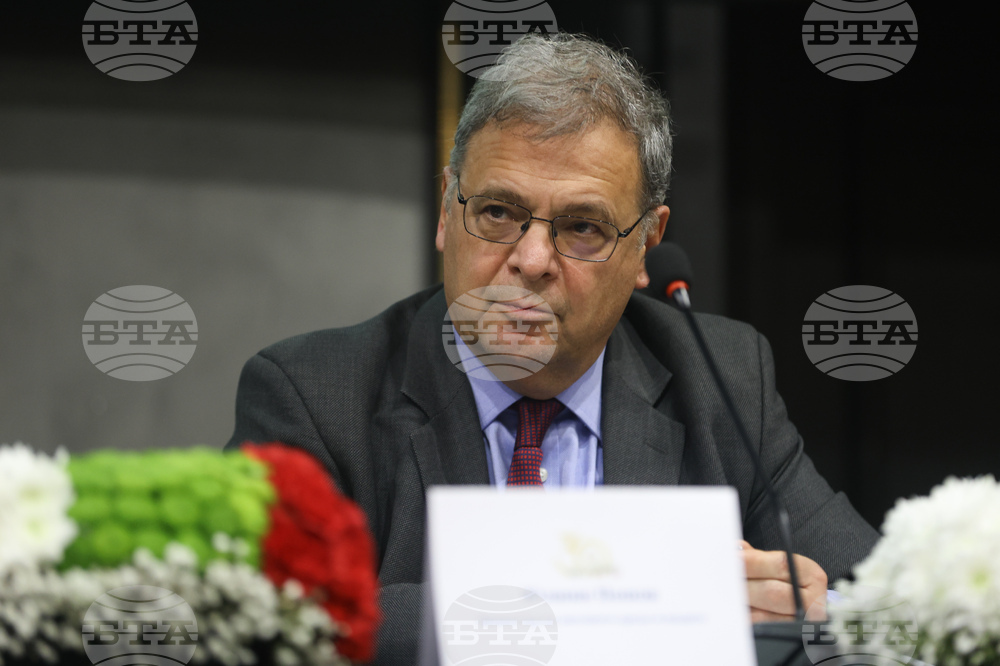
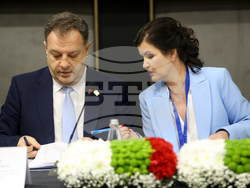
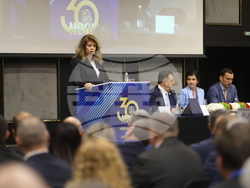
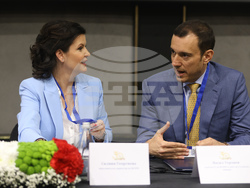
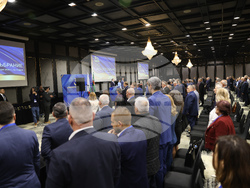
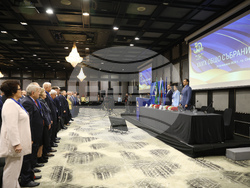
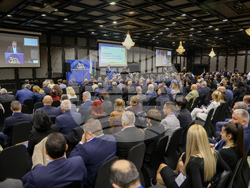
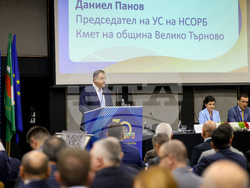
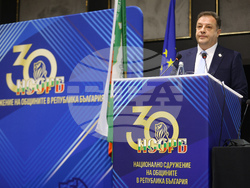
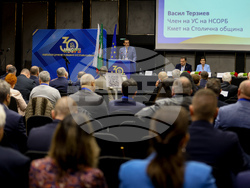
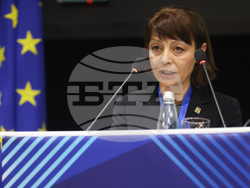
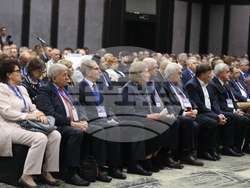
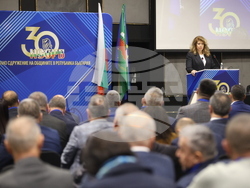
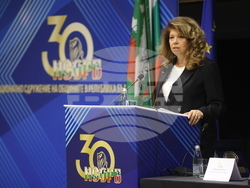
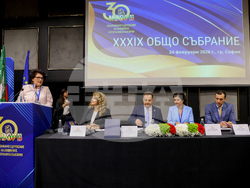
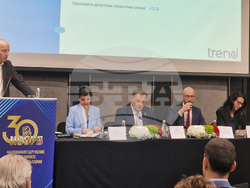
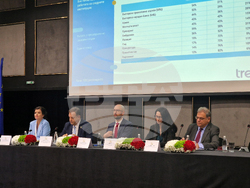
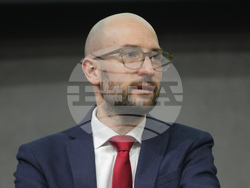
Municipalities must assume a more active role in waste and water management, encourage competition in the sector and apply the “polluter pays” principle at local level, caretaker Minister of Environment and Water Julian Popov said during the 39th General Assembly of the National Association of Municipalities in the Republic of Bulgaria here on Tuesday.
In his address, the Minister stressed that the “polluter pays” principle should be implemented more actively at local level. At present, only two to three municipalities have made progress in introducing the new municipal waste fee model, he said. Popov argued that the introduction of the principle would not lead to a tenfold increase in the fee, as previously claimed, since its amount depends both on the quantity of waste disposed of and on the level of separate collection and recycling.
Regarding the planned deposit return system for packaging, the Minister said it should not become a state-run or nationalized monopoly. Equal treatment of participants and room for competition must be guaranteed in order to avoid monopolization of the process, he added.
In the waste sector, the key words are “commodity” and “competition,” Popov also said. Waste should be turned into a sought-after raw material, which is possible in a well-regulated and transparent competitive environment, he noted. He pointed to serious staffing and organizational difficulties within the Waste Directorate at the Ministry and called on mayors to report problems at both local and national level.
The Minister also placed emphasis on water management. According to him, the water crisis is primarily due to poor management rather than a lack of European funding. He noted that capacity is concentrated in two structures – Irrigation Systems and the Bulgarian Water and Sewerage (ViK) Holding – which have the authority to address the problems, but results so far have been insufficient.
On climate change, Popov warned that this country must prepare for both droughts and floods, which may increase in frequency without a significant change in total precipitation levels. He called on municipalities to implement the climate change adaptation strategy at local level in order to limit damage from extreme events.
Popov also addressed the EU decarbonization process, noting that a 90% emissions reduction target has been set for 2040, implying near-complete decarbonization of industry. He stressed that revenues from emissions trading should be directed towards modernizing the economy, including the building stock and energy efficiency, rather than being used for general electricity price reductions.
In conclusion, Popov said he intends to increase transparency in the work of the Enterprise for Management of Environmental Protection Activities.
/DS/
Additional


news.modal.image.header
news.modal.image.text
news.modal.download.header
news.modal.download.text
news.modal.header
news.modal.text