Wrap-up
![Chief of Defence Presents Analysis of Armed Forces' State and Preparedness in 2025 on Day One of Annual Conference]()
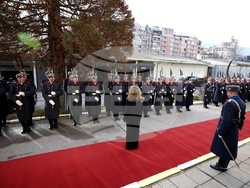
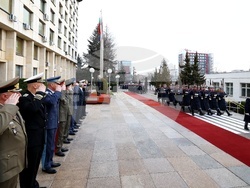
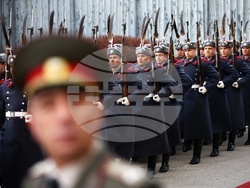
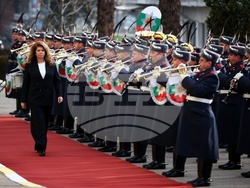
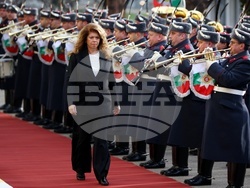
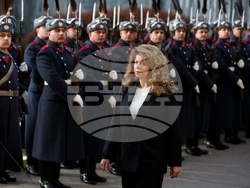
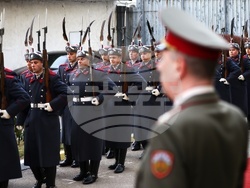
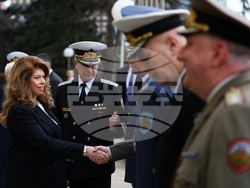
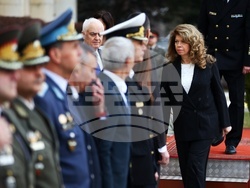
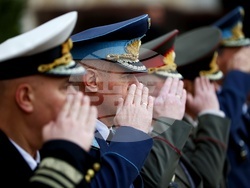
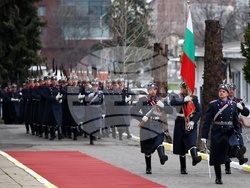
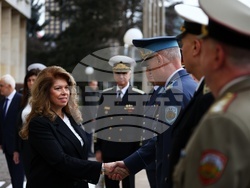
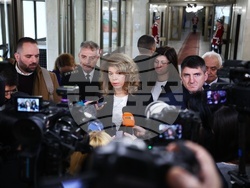
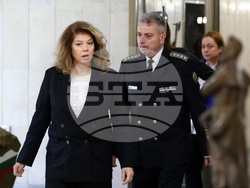
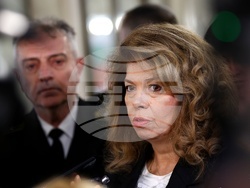
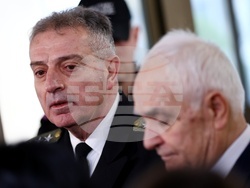
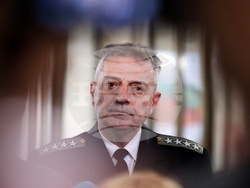
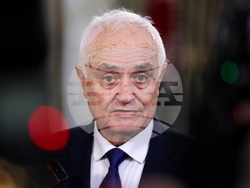
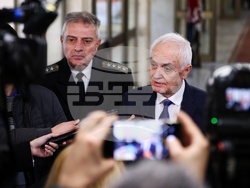
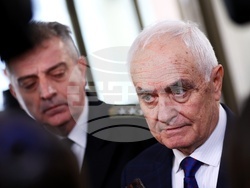
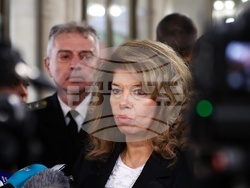
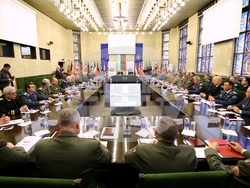
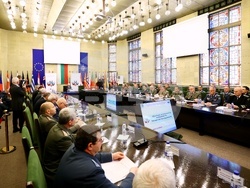
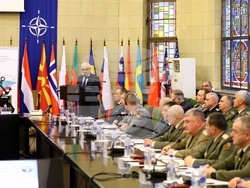
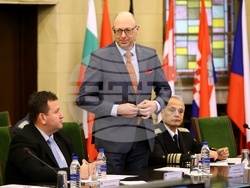
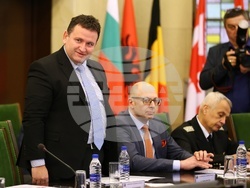
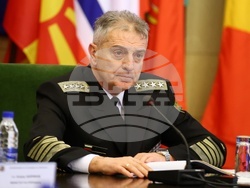
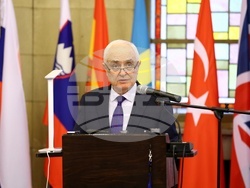
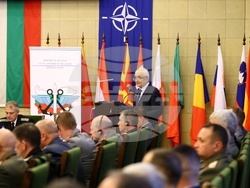
![Chief of Defence Presents Analysis of Armed Forces' State and Preparedness in 2025 on Day One of Annual Conference]() The two-day Annual Conference of the Chief of Defence takes place in Sofia, February 24, 2026 (BTA Photo/Minko Chernev)
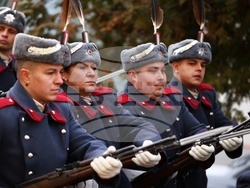
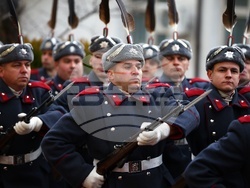
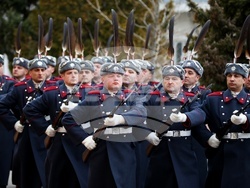
The two-day Annual Conference of the Chief of Defence takes place in Sofia, February 24, 2026 (BTA Photo/Minko Chernev)
![Годишна конференция на началника на отбраната]()
![Годишна конференция на началника на отбраната]()
![Годишна конференция на началника на отбраната]()
![Годишна конференция на началника на отбраната]()
![Годишна конференция на началника на отбраната]()
![Годишна конференция на началника на отбраната]()
![Годишна конференция на началника на отбраната]()
![Годишна конференция на началника на отбраната]()
![Годишна конференция на началника на отбраната]()
![Годишна конференция на началника на отбраната]()
![Годишна конференция на началника на отбраната]()
![Годишна конференция на началника на отбраната]()
![Годишна конференция на началника на отбраната]()
![Годишна конференция на началника на отбраната]()
![Годишна конференция на началника на отбраната]()
![Годишна конференция на началника на отбраната]()
![Годишна конференция на началника на отбраната]()
![Годишна конференция на началника на отбраната]()
![Годишна конференция на началника на отбраната]()
![Годишна конференция на началника на отбраната]()
![Годишна конференция на началника на отбраната]()
![Годишна конференция на началника на отбраната]()
![Годишна конференция на началника на отбраната]()
![Годишна конференция на началника на отбраната]()
![Годишна конференция на началника на отбраната]()
![Годишна конференция на началника на отбраната]()
![Годишна конференция на началника на отбраната]()
![Годишна конференция на началника на отбраната]()
![Годишна конференция на началника на отбраната]()
![Годишна конференция на началника на отбраната]()
![Годишна конференция на началника на отбраната]()
![Годишна конференция на началника на отбраната]()
![Годишна конференция на началника на отбраната]()
![Годишна конференция на началника на отбраната]()
![Годишна конференция на началника на отбраната]()
![Годишна конференция на началника на отбраната]()
![Годишна конференция на началника на отбраната]()
![Годишна конференция на началника на отбраната]()
![Годишна конференция на началника на отбраната]()
![Годишна конференция на началника на отбраната]()
![Годишна конференция на началника на отбраната]()
site.btaChief of Defence Presents Analysis of Armed Forces' State and Preparedness in 2025 on Day One of Annual Conference
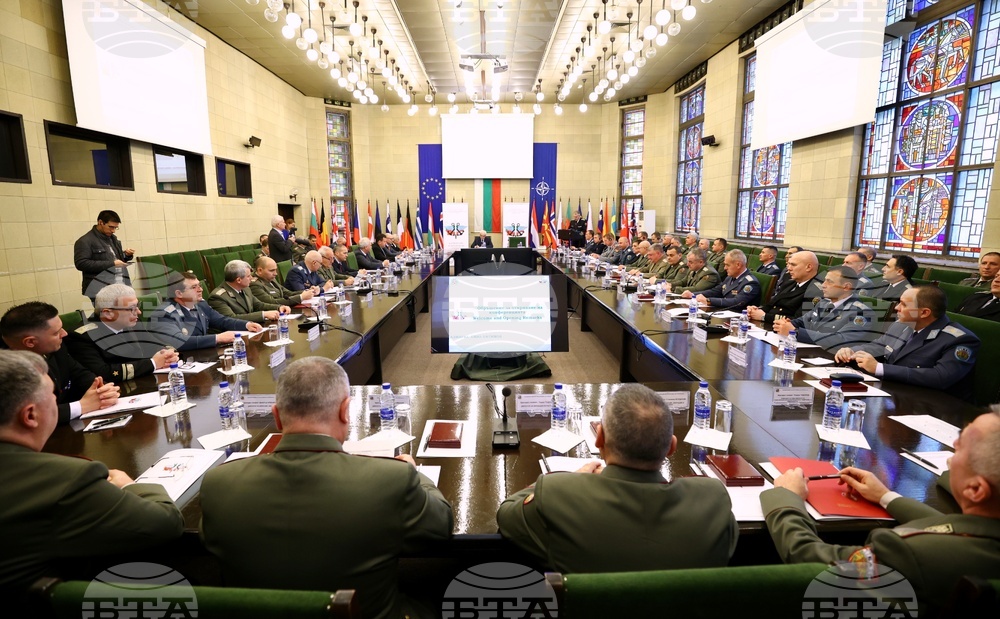
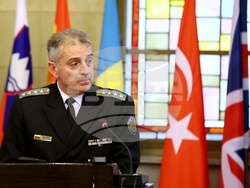
The two-day Annual Conference of the Chief of Defence opened in Sofia on Tuesday. The Chief of Defence, Admiral Emil Eftimov, presented an Analysis of the State and Preparedness of the Bulgarian Armed Forces in 2025.
This year's conference is devoted to the development of the Armed Forces through the prism of national and Allied commitments.
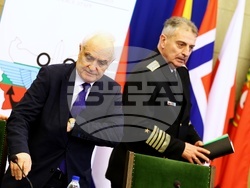
After the presentation of the analysis, President Iliana Iotova, caretaker Defence Minister Atanas Zapryanov, and the Chief of Defence commented on its main themes, concurring that the armed forces need increased funding.
Iotova commented on the analysis, describing it as an in-depth review and, in some respects, highly critical. "Today, it is a snapshot of the situation and of the most pressing problems, regardless of the fact that we have a caretaker government and elections are forthcoming," she said. Processes for the modernization of the army have begun, but the necessary infrastructure to support the new equipment must also be built, she added.
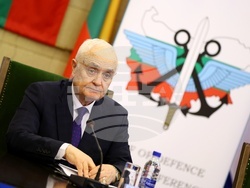
Zapryanov said: "The analysis of the state of the armed forces invites the conclusion that, basically, they perform their duties under the Constitution and the Defence and Armed Forces Act." He also said the past year gave an impetus to the personnel fill and modernization of the armed forces, and the military's aid to the population is highly appreciated. "This is just a beginning, we are far from a status of state-of-the-art armed forces fully compatible with NATO," the Defence Minister said. In his words, the armed forces still have in their inventory a huge quantity of obsolete Soviet equipment which is unserviceable and is not used anywhere.
Guests at the conference included the Deputy Commander of NATO Air Command, Lieutenant General Guillaume Thomas; the Commander of NATO's Joint Warfare Centre, Major General Ruprecht von Butler; and the Deputy Commander of the NATO Security Assistance and Training for Ukraine (NSATU), Major General Ulf Hаussler.
Defence spending
President Iotova talked about the army budget, noting that progress was made in 2025, "but this is still not enough, as it still does not create the attraction force we would like it to have".
Admiral Eftimov said defence spending amounting to 2.5% of GDP is insufficient to build armed forces capable of meeting the demands of the contemporary security environment.
Defence Minister Zapryanov said a draft National Plan to increase defence spending to 5% of GDP by 2035 must be approved. "We will propose that the caretaker cabinet, at the end of its term, submit a 2026 budget proposal to the regular government which will be formed after the elections, and that this national plan also be adopted, because it is a long-term task and cannot be approved and endorsed by a caretaker government," he said. Zapryanov said he had signed a proposal by the Finance Ministry for the Council of Ministers to consider extending the current provisional budget.
SAFE instrument
President Iotova said work must continue on the projects already approved by the European Commission under the SAFE (Security Action for Europe) instrument, as they are essential for the Bulgarian Armed Forces. "I have my reservations, I believe that our defence industry should have had a larger share and greater participation, rather than projects being drawn from the register of the European Defence Agency. That decision has already been made, and now we must find the best way to implement it," she added.
The Defence Minister said that despite delays in the 2026 budget procedure, work would continue to implement on schedule the nine rearmament projects included in Bulgaria's national plan under the SAFE instrument. He added: "Unless we speed up an approval of the two loan agreements with the EU, we may become laggards because all EU Member States, taking advantage of this mechanism, have rushed to contract the manufacturers, and whoever signs the first contract will take the first deliveries." He called on the National Assembly to mandate the government to conclude such loan agreements if the budget law is extended. "Work on nine [armed forces modernization] projects will continue from then on," he said further.
Armed Forces modernization
The Chief of Defence said: "The modernization process is taking on increasingly visible dimensions. The first eight F-16 aircraft have arrived, and infrastructure was prepared at an accelerated pace in order to certify their arrival. Our F-16 pilots are now flying at a very good rate. We have raised the flag of the multi-role modular patrol vessel Hrabri, and its crew is on board. The first Stryker vehicles have started arriving as well."
The Defence Minister said: "Building a strong Bulgarian defence within NATO and the EU and strengthening the Alliance's deterrence and defence potential in the Black Sea region are at the centre of our defence policy." He added that efforts would continue to develop modern and interoperable defence capabilities to ensure the successful fulfilment of missions in both national and allied contexts.
Delivery of the second batch of eight F-16 jet fighters for the Bulgarian Air Force will probably be delayed by a year, due to the manufacturer's inability to produce up to four aircraft monthly, as up to three are finished every month now, said Zapryanov.
Under two contracts with the US, Bulgaria has purchased a total of 16 F-16 Block 70 aircraft worth USD 2.5 billion-plus in the largest armed forces modernization project so far. In early 2025, delivery of the jets began under the first contract signed in 2019, and on December 18, 2025 all eight aircraft were officially presented.
The war in Ukraine
The Chief of Defence noted that Tuesday marks four years since the start of the war in Ukraine. "When the war began, I made only one statement, saying that Bulgaria must not find itself in such a situation. That is why we are doing everything possible in a coalition and allied format - to make sure Bulgaria is on the security map and that we can rely on commitments both from NATO and from our allies, so that we do not fall into such a situation," he said.
The Defence Minister said four years have passed since the start of the war in Ukraine, which has fundamentally changed the strategic environment. "Russia remains the most direct and serious threat to the security of Europe and Bulgaria," said Zapryanov. He reaffirmed Bulgaria's continued policy of solidarity and support for Ukraine within the framework of parliamentary resolutions and national capabilities, calling that support "in our strategic interest, and in the interest of the EU and NATO".
/DD/
Additional
news.modal.image.header
news.modal.image.text
news.modal.download.header
news.modal.download.text
news.modal.header
news.modal.text