site.btaUtilization of Surplus but Edible Food Must Be Priority for Waste Reduction and Social Policy – Bulgarian Food Bank
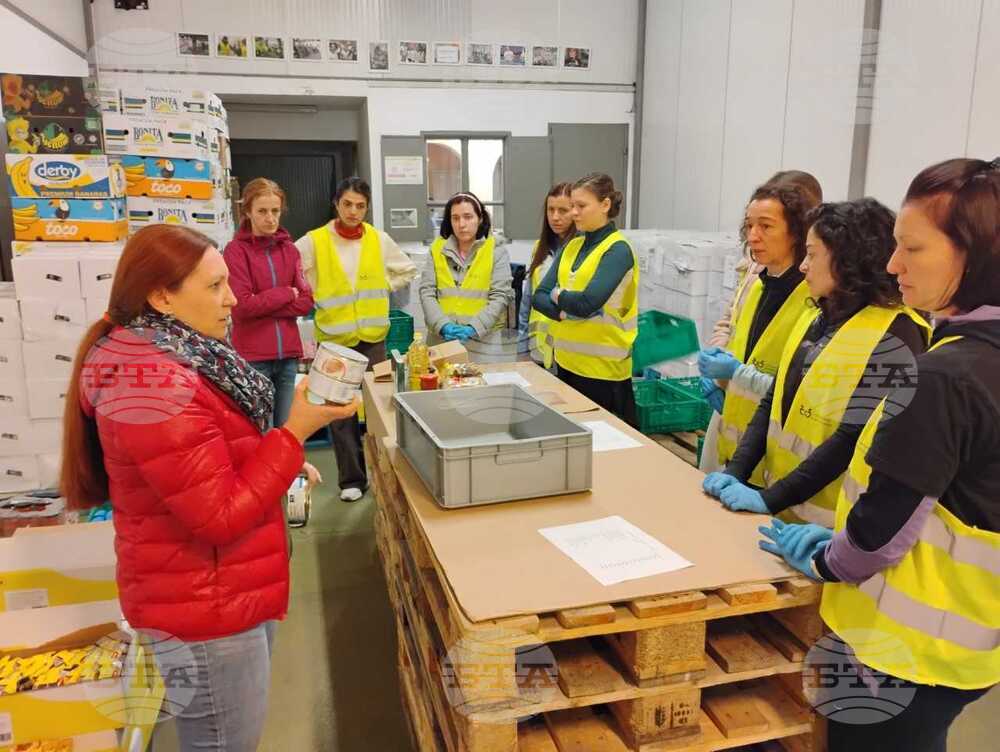
The utilization of surplus but edible food should be a priority, both to reduce waste and as a social policy measure, Bulgarian Food Bank (BFB) Executive Director Tsanka Milanova told BTA in an interview on Monday. It was conducted in the context of the transposition of the EU Waste Framework Directive into national legislation.
Milanova addressed issues related to the possibilities for reducing food waste in light of the new rules adopted in September 2025 by the European Parliament, aimed at building a more sustainable and circular economy. Under the Parliament’s decision, by 2030 Member States will have to reduce food waste generated by households, retailers and restaurants by 30% compared to 2021-2023 levels. They will also have to cut waste generated in food processing and manufacturing by 10%. Bulgaria is required to update its legislation by June 2027.
Milanova said the adoption of the directive is an “expected step” following years of recommendations and encouragement measures by the European Commission (EC). Unfortunately, the latest Eurostat data show that food waste in the EU has remained stable and, in some places, has even slightly increased, despite existing policies, she noted. In recent years the necessary financial resources for measures with tangible results have not been secured, calling into question the effectiveness of the approach so far.
She pointed out that, at present, there is no information about the establishment of a working group to update Bulgarian legislation in connection with the directive. This was confirmed to BTA by the Ministry of Agriculture and Food and the Ministry of Environment and Water. The latter noted that the process is still pending.
The National Food Waste Prevention Programme (2021-2026), adopted by the Ministry of Agriculture and Food remains valid. However, according to BFB, the topic has been neglected in recent years, including through the failure to submit up-to-date data to Eurostat. In the summary data published in October 2025, Bulgaria was listed with information from 2022 instead of more recent data, Milanova said.
BFB has expressed readiness to participate in drafting national measures. The organization has high expertise in reducing waste and managing surplus food and, in this capacity, usually takes part in working groups on the issue initiated by the Agriculture Ministry, Milanova added.
She said the lack of targeted funding for concrete measures casts doubts on the achievement of the ambitious goals. Without adequate budgets and effective tools, food waste will not become a genuine priority for many countries, she said. In Bulgaria, she added, there have been no long-term investments in systemic solutions such as food banking, which limits the potential for sustainable results.
According to BFB data, more than 340,000 tonnes of food are wasted annually in Bulgaria’s food industry alone. This resource could ensure adequate nutrition for all people at risk of poverty in the country, Milanova said. More than 1.5 million Bulgarians have low or no income and could be supported through the effective utilization of surplus food, she added.
Milanova stressed the need to clearly distinguish between “food surplus”, edible products that can be redistributed within their remaining shelf life, and “food waste”, which has already lost its potential for social use. Prevention through timely redistribution is a key measure that delivers both social and environmental benefits, she said.
Established in 2012, the Bulgarian Food Bank has provided donated food worth over BGN 15 million and supports more than 80,000 people nationwide each year. Since its founding, the organization has assisted more than 340,000 people in need through a network of over 140 partner organizations and more than 280 social programmes. In 2025 alone, BFB saved nearly 486,000 kg of food from being wasted, worth about BGN 4 million. According to the organization, every BGN 1 donated to its operations provides food worth at least BGN 10.
Food banking activities are regulated by the Food Act and a special ordinance. However, Milanova noted that no state funds have so far been allocated for building and maintaining the necessary logistics infrastructure - warehouses, equipment, software and transport. The organization operates mainly through donations from individuals and companies, while more than 200 volunteers support its team of five employees each year.
BFB works with pre-assessed social institutions and non-governmental organizations applying clear criteria for selecting beneficiaries. Over the years, the organization has also contributed to the introduction of a zero VAT rate on food donations as an incentive measure for businesses.
/KT/
news.modal.header
news.modal.text