site.btaCivil Society Groups Propose Measures to Increase Transparency and Oversight in Future Elections
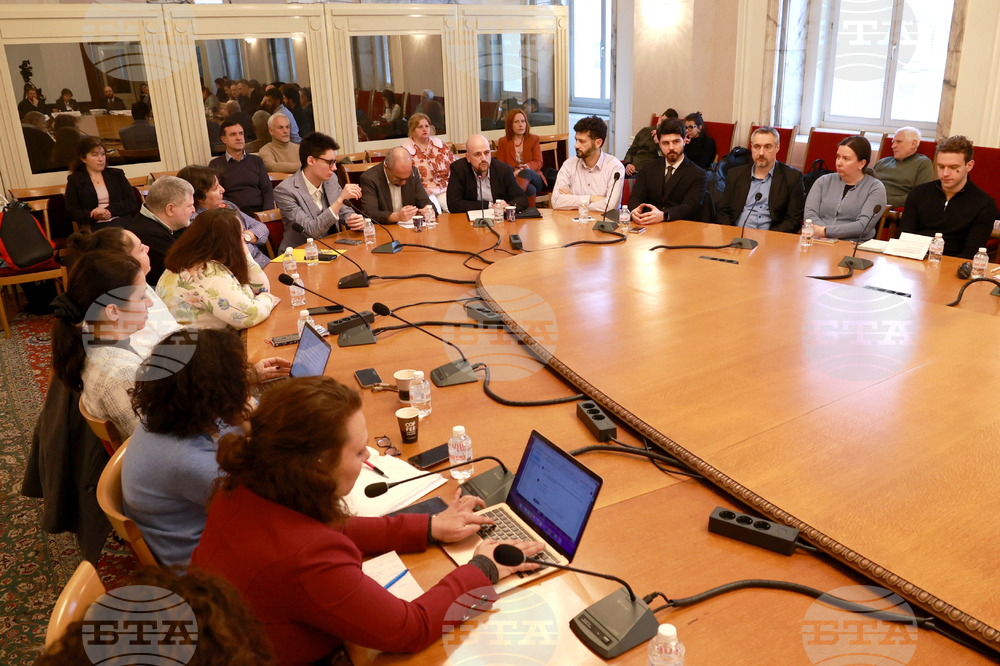
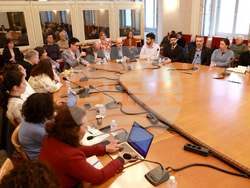
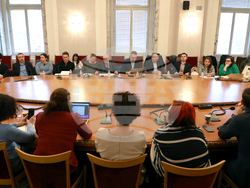
Civil society organizations have proposed a range of measures aimed at improving transparency and control in future elections. They made public their proposals during a public discussion on election integrity held in Sofia under the title “An Active Civil Society for Fair Elections”, organized by the Public Council to the parliamentary committee on direct citizen participation, complaints, and cooperation with civil society.
Emil Georgiev from the Justice for All initiative said that video surveillance cameras in polling stations often fail to work properly or do not provide usable footage. He stressed that the key issue is the lack of consequences when such failures are identified even though video monitoring of the counting of ballots is required by the Election Code. Responsibility for this lies with the prosecution, he said.
He pointed out that current penalty for a non-functioning camera is a fine from EUR 10 to 100, which he described as insufficiently deterrent. He proposed introducing disciplinary liability and defining the absence of working cameras as a serious procedural violation under the Election Code.
Peter Slavov from the Civic Platform association said that many problems related to section election commissions stem from insufficient training of their members. He noted that last-minute replacements of commission members or entire commissions often lead to violations due to incompetence. Slavov proposed introducing a requirement for a clean criminal record for election commission members.
To increase public trust in the electoral process, he suggested allowing voters to choose whether to vote by machine with a printed receipt or by paper ballot. Citing data from the Central Election Commission, Slavov said the state currently has 12,837 voting machines, which is enough to equip every polling station in the country.
Earlier in the discussion, social analysts underscored the low level of trust in the election process among Bulgarians.
Dora Raychinova from the Society and Security Foundation presented data obtained from the Interior Ministry, which shows that a large number of tipoffs for election irregularities were submitted in 2024, the majority of them coming from state institutions rather than citizens. Despite nearly 800 tipoffs during the October 2024 elections, only 115 pretrial proceedings were launched and only one person is confirmed to have been convicted for election violations.
/NF/
Additional











news.modal.image.header
news.modal.image.text
news.modal.download.header
news.modal.download.text
news.modal.header
news.modal.text