site.btaSociologists Warn of Low Trust in Elections, and Criticize Lack of Strategy as Election Rules Are Frequently Revised
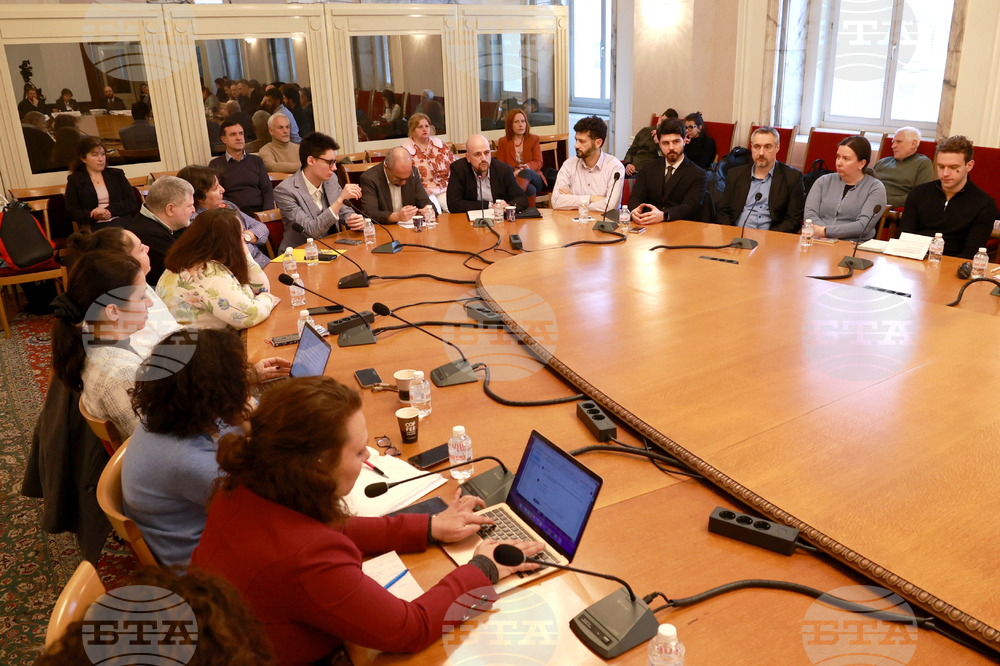
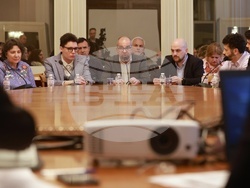
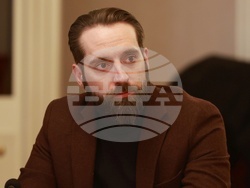
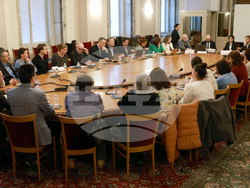
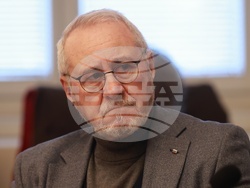
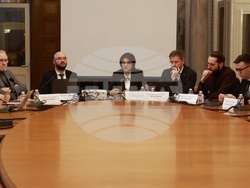
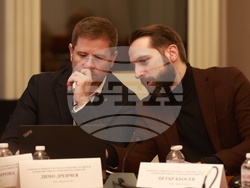
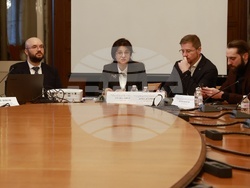
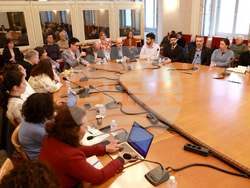
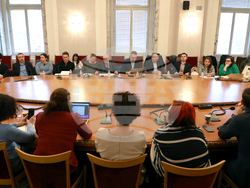
Only a small share of Bulgarians believe upcoming elections will be free and fair, according to sociologists speaking at a public discussion on election integrity in Sofia. At the event, titled “An Active Civil Society for Fair Elections,” sociologists Parvan Simeonov and Svetlin Tachev from the Myara polling agency said that constant, politically motivated changes to election rules have eroded public trust and revealed the absence of a long-term election strategy.
Simeonov cited survey data from mid-January 2026 showing that just 16% of Bulgarians expect elections to be free and fair. He noted that a similar level of confidence was recorded in March 2025, after a Constitutional Court decision led to an additional party entering Parliament. According to him, perceptions of fairness are strongly influenced by whether voters feel meaningful political alternatives exist.
While Simeonov argued that election practices at the national level are not as problematic as public opinion suggests, he said authorities have failed to convince citizens of this. He warned that excessive political rhetoric about election fraud further undermines confidence. Problems are more serious at the local level, he added, especially in smaller communities with poorly trained election administrators, where procedural errors can have a real impact.
Both sociologists defended the use of voting machines as a tool to reduce errors and invalid ballots. Simeonov criticized last-minute rule changes and what he described as unfounded allegations against voting machines, arguing that once a system is introduced, it should be allowed to function consistently. Tachev added that Bulgaria missed a chance to fully implement machine voting and allow voters to adapt to it. He stressed that voting machines are not a cure-all, but an important optimization tool.
Both experts concluded that without a coherent, long-term strategy for election administration, public confidence in the democratic process is likely to continue declining.
At the opening of the discussion, Rossitsa Kirova, chair of the parliamentary committee on direct citizen participation and civil society relations, said that with less than three months until the elections, it is crucial to ensure conditions that guarantee the next parliament reflects public attitudes. She stressed that fair and transparent elections are a shared responsibility of the state, citizens, political parties, and civil society, and that every participant in the electoral process bears responsibility for the legitimacy of the vote.
/NF/
Additional




news.modal.image.header
news.modal.image.text
news.modal.download.header
news.modal.download.text
news.modal.header
news.modal.text