Artificial Intelligence and Ethical Standards in the Media roundtable
![AI Won't Replace Humans, But Those Who Use It Will Replace Those Who Don't – National Television Chief]()
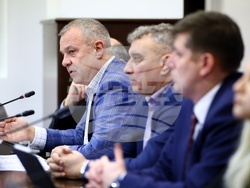
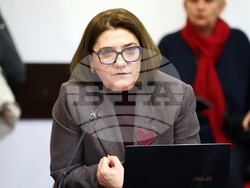
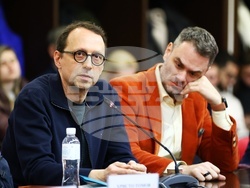
![AI Won't Replace Humans, But Those Who Use It Will Replace Those Who Don't – National Television Chief]() Bulgarian National Television Director General Emil Koshlukov speaks at a roundtable on “Artificial Intelligence and Ethical Standards in the Media”, Sofia, February 10, 2026 (BTA Photo/Minko Chernev)
Bulgarian National Television Director General Emil Koshlukov speaks at a roundtable on “Artificial Intelligence and Ethical Standards in the Media”, Sofia, February 10, 2026 (BTA Photo/Minko Chernev)
![УНСС - кръгла маса - „Изкуствен интелект и етични стандарти в медиите“]()
![УНСС - кръгла маса - „Изкуствен интелект и етични стандарти в медиите“]()
![УНСС - кръгла маса - „Изкуствен интелект и етични стандарти в медиите“]()
![УНСС - кръгла маса - „Изкуствен интелект и етични стандарти в медиите“]()
![УНСС - кръгла маса - „Изкуствен интелект и етични стандарти в медиите“]()
![УНСС - кръгла маса - „Изкуствен интелект и етични стандарти в медиите“]()
![УНСС - кръгла маса - „Изкуствен интелект и етични стандарти в медиите“]()
![УНСС - кръгла маса - „Изкуствен интелект и етични стандарти в медиите“]()
![УНСС - кръгла маса - „Изкуствен интелект и етични стандарти в медиите“]()
![УНСС - кръгла маса - „Изкуствен интелект и етични стандарти в медиите“]()
![УНСС - кръгла маса - „Изкуствен интелект и етични стандарти в медиите“]()
![УНСС - кръгла маса - „Изкуствен интелект и етични стандарти в медиите“]()
![УНСС - кръгла маса - „Изкуствен интелект и етични стандарти в медиите“]()
![УНСС - кръгла маса - „Изкуствен интелект и етични стандарти в медиите“]()
![УНСС - кръгла маса - „Изкуствен интелект и етични стандарти в медиите“]()
![УНСС - кръгла маса - „Изкуствен интелект и етични стандарти в медиите“]()
![УНСС - кръгла маса - „Изкуствен интелект и етични стандарти в медиите“]()
![УНСС - кръгла маса - „Изкуствен интелект и етични стандарти в медиите“]()
![УНСС - кръгла маса - „Изкуствен интелект и етични стандарти в медиите“]()
![УНСС - кръгла маса - „Изкуствен интелект и етични стандарти в медиите“]()
site.btaAI Won't Replace Humans, But Those Who Use It Will Replace Those Who Don't – National Television Chief
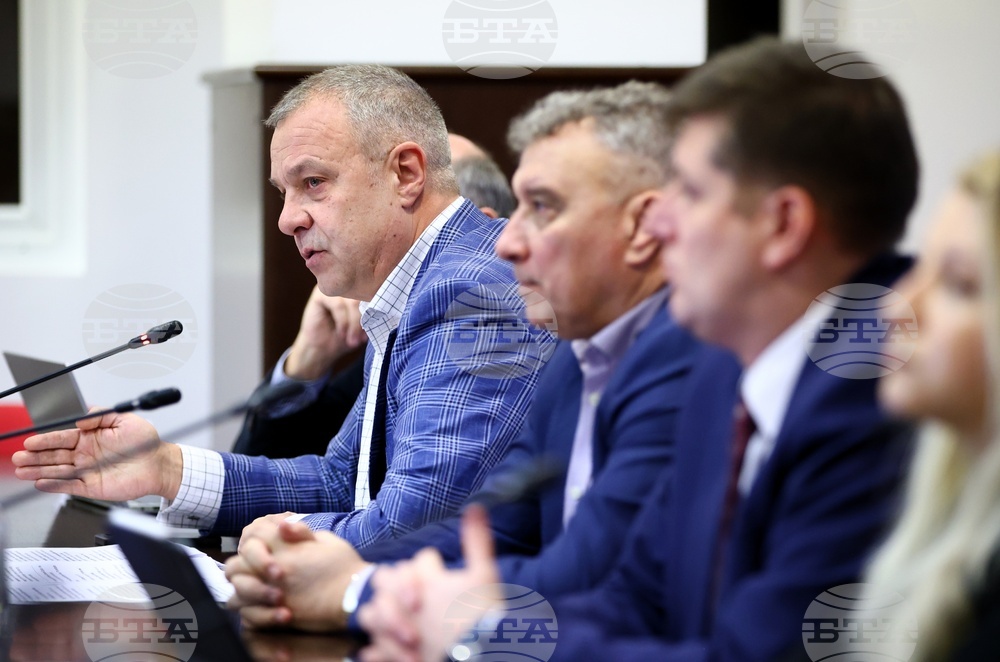
“Artificial intelligence will not replace humans, but those who use it will replace those who do not,” said Bulgarian National Television (BNT) Director General Emil Koshlukov on Tuesday at a roundtable at the University of National and World Economy (UNWE). The discussion was entitled “Artificial Intelligence and Ethical Standards in the Media.”
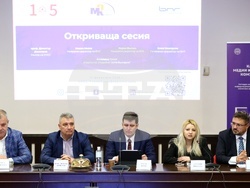
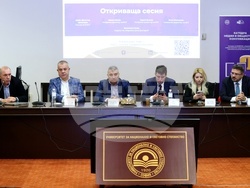
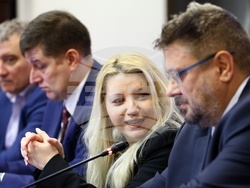
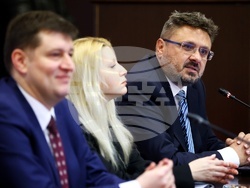
The discussion also included Bulgarian News Agency (BTA) Director General Kiril Valchev, Bulgarian National Radio (BNR) Director General Milen Mitev, publishers, academics, media professionals, regulatory and industry organizations, and trade unions.
Koshlukov said: “I would like to ask one question. Are you aware of, and do you watch, the so-called Channel 1 Artificial Intelligence — Channel 1 AI? There is already an artificial intelligence operating — it’s a news channel. This is what we are talking about and imagining: it already exists. It is a news television channel. There are anchors who can instantly present news in any language you want. Like any technological product, this television will continue to improve, but even now, if you watch it, it will pique your interest.”
“Can we be sure, in this vast ocean of information and limited reliability, that what we see from artificial intelligence is true?” he asked. “The problem is that someone has to verify it.”
Koshlukov added: “Artificial intelligence can turn television into TikTok. If it starts to personalize content, it can do that — it can give you the news you want, just like Netflix selects a hundred films because it knows your preferences. If we move toward this screen-time addiction, AI can create a flow of information and television that is individualized and personalized for each viewer — you can watch the news you want.”
“Instead of narrowing, we should aim for expansion with our artificial intelligence. By the way, that is what algorithms do. AI can watch a match and produce highlights — goals, offsides — in seconds, something no editor, scheduler, or editor can do. It can instantly output short videos and distribute them online. That is why AI is beneficial,” the BNT Director General added.
He emphasized that “artificial intelligence can be trained, but it is very important how we train it.”
“In my view, we should train it within our values and principles. It should speak with a Bulgarian cultural voice. That is the paradigm. What BNT can do is let it access our archives. If it examines our decades of archives, understands what we watch, what we prioritize, what we emphasize, and what we consider important, it will start to reason accordingly — artificial intelligence will become BNT. It must work within our archives. That is its school, its education,” Koshlukov explained.
He also discussed the creation of artificially generated content. “If you do not have a specific photo of Trump or Putin, AI can create one for illustration. It does not claim it is real and marks it as AI-generated, but this blurs the line between journalism and AI. We could create military actions, show bombs in Ukraine, or illustrate a protest in Gaza — as long as it is clearly marked as AI-generated. If this continues, it will become a problem for genuine journalism. Accessibility, which we strive for, AI can achieve instantly. For me, the most important question is how AI in public media will preserve credibility and shape our audience, because commercial television does not produce content for viewers — it delivers clients to employers. That is a business model; they have to operate and make money. This is not, in my view, how public media should function. We should not deceive ourselves,” Koshlukov added.
At the end of his remarks, he said: “This transformation with artificial intelligence must happen for BNT, BNR, BTA, and all of us — we must urgently and comprehensively transition into the digital world.”
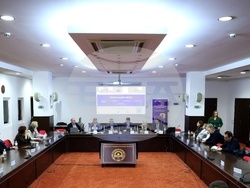
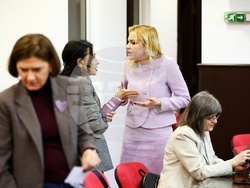
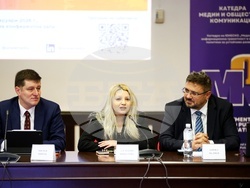
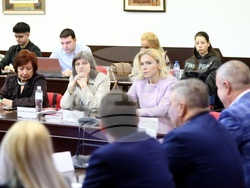
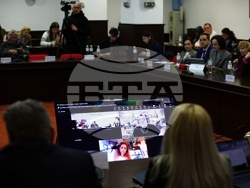
The event was organized by the Department of Media and Public Communications at UNWE in partnership with BNR. The discussion consisted of three panels. The first focused on technological transformation and the role of AI in the media, the second examined ethics and professional standards in the use of generative AI, and the third discussed algorithms as a factor in the information environment and the challenges to societal resilience against manipulation.
/RD/

Additional







news.modal.image.header
news.modal.image.text
news.modal.download.header
news.modal.download.text
news.modal.header
news.modal.text