New LIK magazine: "Bulgarian Money"
![Product Manager Compares Eurozone to Lens that Reveals Positives and Negatives]()
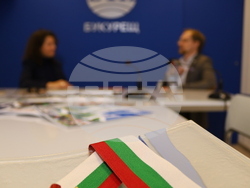
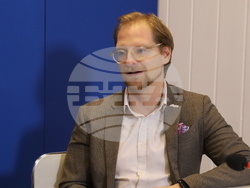
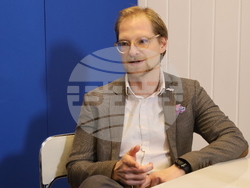
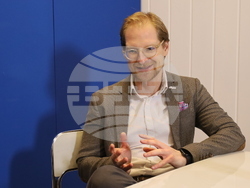
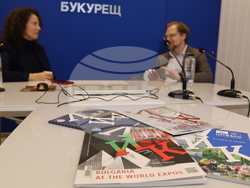
![Product Manager Compares Eurozone to Lens that Reveals Positives and Negatives]() Antoni Peychev, Bucharest, January 6, 2026 (BTA Photo/Ilko Valkov)
Antoni Peychev, Bucharest, January 6, 2026 (BTA Photo/Ilko Valkov)
![Национален пресклуб на БТА Букурещ - списание ЛИК - „Българските пари“ - представяне]()
![Национален пресклуб на БТА Букурещ - списание ЛИК - „Българските пари“ - представяне]()
![Национален пресклуб на БТА Букурещ - списание ЛИК - „Българските пари“ - представяне]()
![Национален пресклуб на БТА Букурещ - списание ЛИК - „Българските пари“ - представяне]()
![Национален пресклуб на БТА Букурещ - списание ЛИК - „Българските пари“ - представяне]()
![Национален пресклуб на БТА Букурещ - списание ЛИК - „Българските пари“ - представяне]()
![Национален пресклуб на БТА Букурещ - списание ЛИК - „Българските пари“ - представяне]()
![Национален пресклуб на БТА Букурещ - списание ЛИК - „Българските пари“ - представяне]()
![Национален пресклуб на БТА Букурещ - списание ЛИК - „Българските пари“ - представяне]()
![Национален пресклуб на БТА Букурещ - списание ЛИК - „Българските пари“ - представяне]()
![Национален пресклуб на БТА Букурещ - списание ЛИК - „Българските пари“ - представяне]()
![Национален пресклуб на БТА Букурещ - списание ЛИК - „Българските пари“ - представяне]()
![Национален пресклуб на БТА Букурещ - списание ЛИК - „Българските пари“ - представяне]()
![Национален пресклуб на БТА Букурещ - списание ЛИК - „Българските пари“ - представяне]()
![Национален пресклуб на БТА Букурещ - списание ЛИК - „Българските пари“ - представяне]()
![Национален пресклуб на БТА Букурещ - списание ЛИК - „Българските пари“ - представяне]()
![Национален пресклуб на БТА Букурещ - списание ЛИК - „Българските пари“ - представяне]()
site.btaProduct Manager Compares Eurozone to Lens that Reveals Positives and Negatives
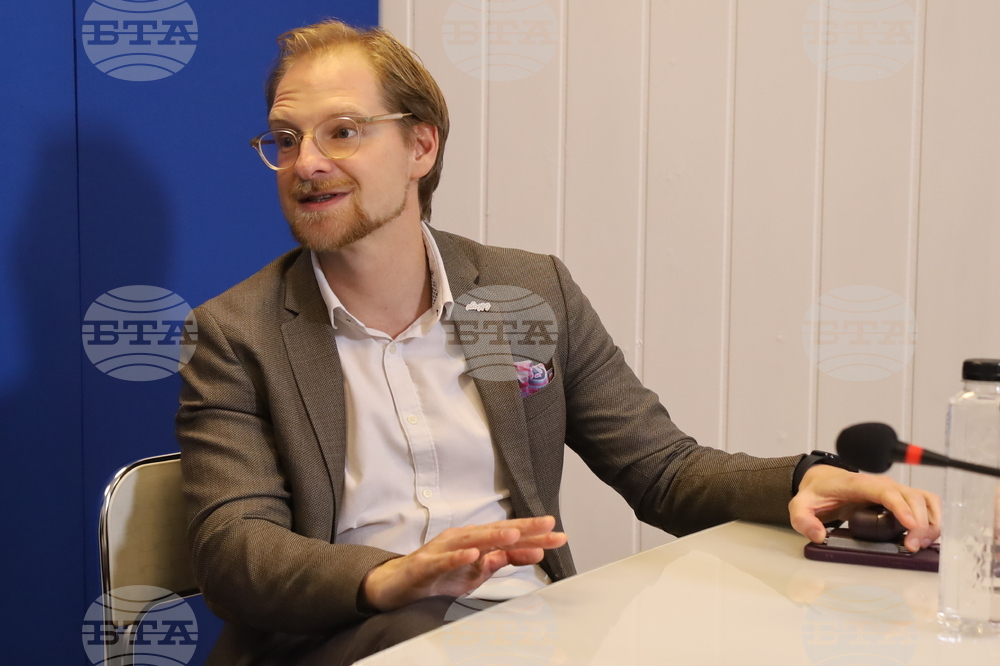
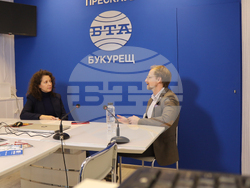
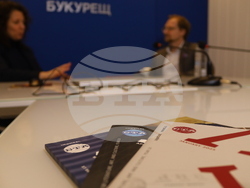
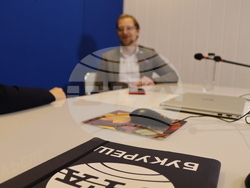
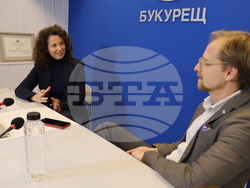
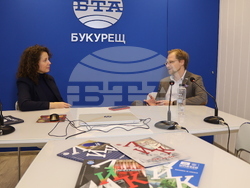
In an interview for BTA dedicated to LIK magazine's issue entitled "Bulgarian Money", product manager Antoni Peychev said here on Tuesday that the eurozone can be compared to a magnifying glass that reveals the positives and negatives of recent decades.
Peychev shared: "The analogy I can use is simple. As an empire, England has always valued sovereignty, whether common, legal, or monetary. England believed that this would help it navigate basic concepts such as inflation and more complex ones such as the rifts we have seen at the macroeconomic level over the past twenty years or so. At the moment, things in England are not particularly rosy from an economic standpoint. Many people are returning from there. For the first time this year, immigration in England is higher than the birth rate. This proves that monetary sovereignty is no panacea or silver bullet. The way to stabilize an economy is through proper, proactive, sound economic policies. Romania with its lei, just like England with the pound sterling, has been unable to cope with inflation or rising prices. There is huge erosion of incomes here, and as someone who travels frequently and observes, prices in Romania are not only rising faster but also more dramatically than in other European countries."
The product manager stated that the way people and the state act in Romania is very different from that in Bulgaria. He said: "Romania has a 15% deficit. Just like the Romanian population, the Romanian government has been living on credit for the past 30 years. Whether this is good or bad, I cannot say, but in the last 3 to 6 months, at least 10 or 15 companies have asked me how they could move their business to Bulgaria. Obviously, there is great interest in a country with very favourable tax conditions."
According to Peychev, many people in Romania want to switch to the euro not to be on a par with Bulgaria but to attract foreign investment.
In his words, there is hostility towards the euro in Bulgaria. "But this is not out of fear that we will lose our sovereignty or identity, but out of distrust of institutions, not only Bulgarian but also European. People do not believe that institutions can make not just the right decisions, but any decisions at all in a timely manner," he argued.
Peychev was born in Stara Zagora, South Central Bulgaria. Studies law, works as a product manager. Lived in London for more than 15 years before moving to Bucharest, where he spent the last 3 years.
/DD/
Additional

news.modal.image.header
news.modal.image.text
news.modal.download.header
news.modal.download.text
news.modal.header
news.modal.text