site.btaPamporovo Forum Sets “Bulgaria – An Accessible Holiday” as Key Message for Winter 2025/2026
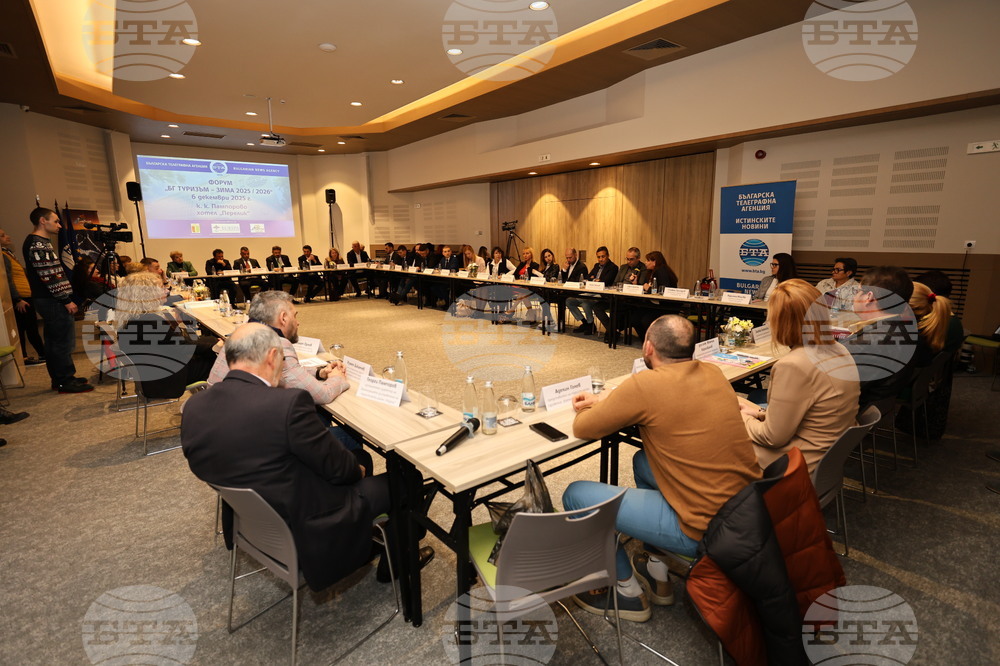
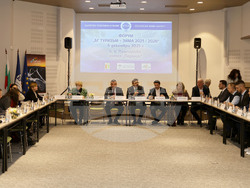
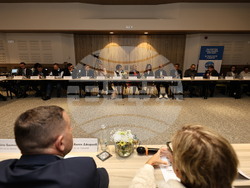
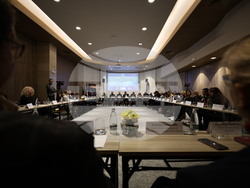
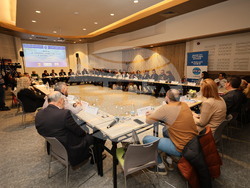
Bulgaria’s winter tourism stakeholders agreed on the message “Bulgaria – An Accessible Holiday” for the 2025/2026 season at the BG TOURISM – WINTER 2025/2026 forum in Pamporovo on Saturday.
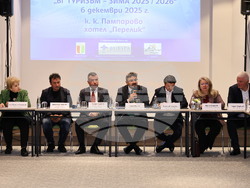
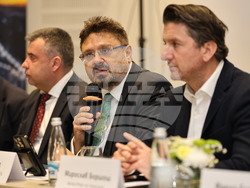
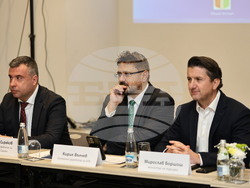
Opening the discussion, Bulgarian News Agency (BTA) Director General Kiril Valchev and Tourism Minister Miroslav Borshosh set the tone with calls to focus on accessibility, safety, year-round mountain tourism and clear communication to domestic and foreign visitors.
Valchev recalled that after Bulgaria’s accession to the Schengen area by land at the start of 2025, the planned introduction of the euro on January 1, 2026 creates both opportunities and challenges for tourism messaging. “For visitors from the eurozone, including neighbouring Greece, an important message is that they can pay in Bulgaria with the same currency they use at home,” he said, noting that for EU countries with their own currencies and for visa-free third countries, border-free travel remains a central selling point. In conclusion, he stressed that “Bulgaria must emphasize its strengths, as the most successful tourist countries do, regardless of currencies, visas, political or social tensions, or seasonal weather conditions.”
Announcing the outcome of the debate, BTA Director General said that “Bulgaria - An Accessible Holiday” encapsulates the forum’s focus on transport links, visa and currency regimes, access to health care and information, and the wider environment for visitors. Marking the Feast Day of St Nicholas the Miracle Maker on December 6, he recalled the words from one of the prayers to the saint: “Let us pray that he gives us strength when we hesitate and guides us when we seek the way.”
Valchev also traced the evolution of the winter tourism slogans adopted at earlier BTA forums. For winter 2022/2023, held against the backdrop of the COVID-19 pandemic and high energy prices, participants agreed that vacations in Bulgaria should be “without restrictions”. “A world is emerging in which we are forced to restrict ourselves in our daily lives due to economic difficulties and COVID-19… Bulgaria can send a message… that at least their vacation days will be without restrictions,” he said at the time. The 2023/2024 season focused on Bulgaria as a safe, good-value destination, while 2024/2025 was launched under the slogan “Union of Ski, Sun and Spa – Without Borders”, reflecting expectations of positive effects from full Schengen membership.
Background figures presented at the forum showed that January–April 2025 was defined by the State and the industry as Bulgaria’s strongest winter season so far, with more than 2 million tourist registrations, up by 6.4% year-on-year, and close to 4.5 million overnight stays, an increase of 4.5%. Compared to the same period of 2019, tourist registrations were up by 23.7%. Eurostat data for the first quarter of 2025 place Bulgaria among the EU’s top ten destinations in terms of growth in overnight stays.
Tourism Minister Miroslav Borshosh described 2026 as “a turning point for Bulgarian mountain tourism” and said the ministry’s priority this year was to develop strategies for practicing mountain tourism year-round. He recalled that as soon as his team took office, a working group was set up with local authorities, non-governmental organisations and State institutions to address mountain tourism. Bulgaria, he said, wants to compare itself with countries such as Italy, France, Austria and Switzerland. “None of these countries has less than 5,000 kilometers of ski slopes. The Bulgarian State, the Bulgarian mountains, and the Bulgarian municipalities do not even have 200. You can see the scale of the difference,” the Minister pointed out.
Another problem, according to Borshosh, is related to climate change. “If we do not diversify the reasons for accessing the mountains at the moment, if we reduce them only to ski tourism… in a few years Bulgarian tourism in the field of mountain tourism will not be competitive,” he warned. The debate on why there are new slopes, lifts and ski tows, and how accessibility is developed, will take place both in the media and in Parliament, he added. “Soon, the representatives of the people will have to make a decision,” he said about legislative proposals already drafted, expressing hope that a majority would be found which, “with great care for the mountains, nature, and the environment,” would make it possible to repair existing lifts and build new infrastructure.
Borshosh also highlighted additional benefits of new slopes and water reservoirs as fire-protection infrastructure, arguing that places where water is collected for artificial snow are among the best means to extinguish forest fires. For him, however, the biggest advantage is demographic. When accessibility is created, he said, jobs and additional employment follow, generating interest in regions where heavy industry cannot develop. Bulgaria is already an accessible, safe and affordable destination, but there is room for improvement in air connectivity and in making the mountains more accessible and modern for both foreign visitors and the domestic market, he added.
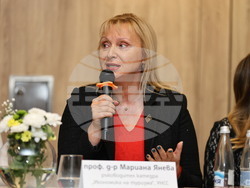
Academia and the balneology sector underlined the need for coherent, upbeat narratives and for health tourism to be recognized as a structural advantage. “Positive messages in tourism are extremely important,” said Head of the Department of Tourism Economics at the University of National and World Economy (UNWE) Mariana Ianeva. She argued that alongside dynamic seasonal messages, there should be constant ones such as “Hospitality in Four Seasons” or “Sun, Snow & SPA.” Bulgaria is a mountain destination, she noted, and within tourism zoning mountain tourism comprises not only skiing but also recreational tourism and hiking, which require better developed walking opportunities in the resorts.
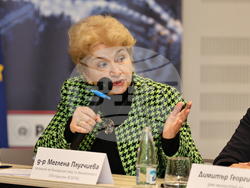
Ambassador of the Bulgarian Union of Balneology and SPA Tourism (BUBSPA) Meglena Plugchieva stressed that “Balneology and SPA are not only a form of tourism but an investment in the workforce and in the future of the country.” Europe, she added, “is investing more and more in prevention and prophylaxis through health and balneological tourism,” especially in the context of demographic change and climate pressures. Plugchieva pointed out that certified Bulgarian hotels offering balneological and wellness tourism are already included in German and Austrian insurance catalogues, and that climate therapy is an integral part of health tourism. The Rhodope Mountains, she said, rank among the world’s compact mountain regions with recognized climate-therapeutic qualities, which Bulgaria should use far more actively.
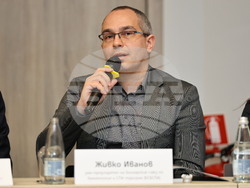
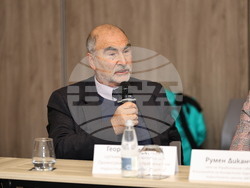
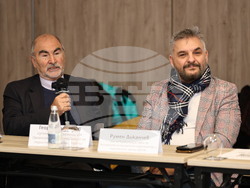
BUBSPA Deputy Chair Zhivko Ivanov described Plovdiv Airport as the main air gateway to Pamporovo and nearby balneology resorts, saying that “Plovdiv is the gateway to Hisarya, the balneology resorts in the Rhodope Mountains, Devin and Velingrad,” and noting that many travellers from Sofia are aware of the long travel time by road. He announced plans for a winter Tel Aviv–Plovdiv flight which he hopes will become year-round and identified Turkiye and Israel as key markets for Pamporovo, citing joint film projects with Israel’s national television to promote Bulgaria as a year-round balneology destination. Ivanov highlighted intensive marketing campaigns, including a feature in the in-flight magazine of Israel’s second-largest airline group and coordinated promotion of Pamporovo, Bansko and Borovets, saying: “We managed to promote our three winter resorts, working closely with Pamporovo and our colleagues from Bansko and Borovets,” and he thanked BTA, the Tourism Ministry and Chepelare Municipality for their support.
Deputy Minister of Youth and Sports Dimitar Georgiev focused on the synergy between sport and tourism. “Sports and tourism go hand in hand,” he said, describing the decision for the Giro d’Italia, one of next year’s biggest sporting events, to start in Bulgaria as a major success. The Ministries of Tourism and of Youth and Sports had invested significant effort in this, he said, arguing that the race would be “an excellent advertisement for tourism” and would showcase some of Bulgaria’s most beautiful natural sites and municipalities. “We hope that next year the effect of what we have done with the contract to host the Giro d'Italia will increase the gross product of our tourism activity,” Georgiev added, also highlighting the satisfaction expressed by athletes who train in Bulgaria with the conditions offered to them.
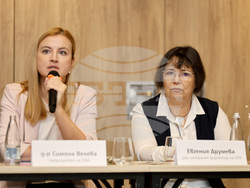
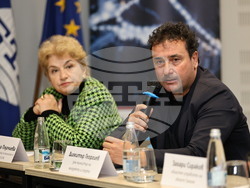
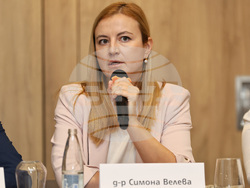
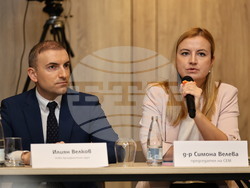
The Chair of the Council for Electronic Media (CEM) Simona Veleva called for coordinated State communication to support these efforts. “There is a need for clear strategic communication from the state to position and highlight the advantages of Bulgaria’s tourist destinations for both domestic and international audiences,” she said. CEM monitors both traditional and online media and notes a shortage of positive content about Bulgaria’s destinations, including through influencers, Veleva pointed out. She drew attention to disinformation campaigns that “are often coordinated and aim to damage our tourist destinations,” and welcomed recent steps by the government to include Bulgaria in areas such as culinary tourism. “If we have unified, targeted and sustainable efforts, Bulgaria can showcase its wonderful people, nature, culture and hospitality. It is up to us to promote it in the best possible way,” she said.
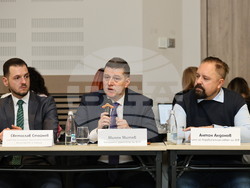
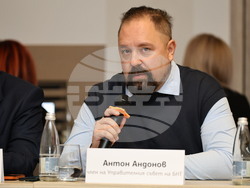
Media representatives agreed that they need more positive stories from the tourism sector, but insisted that editorial support must remain grounded in facts and quality. “The development of winter tourism in Bulgaria is a key element of the country's overall tourism profile,” said Anton Andonov, member of the Management Board of Bulgarian National Television (BNT). In recent years, he said, a clear trend towards higher quality services has been observed in hotels, restaurants and specialized tourist services. “We are on a path where we need to build more trust, more awareness, and better partnerships,” Andonov argued, adding that the media “should not be just observers; we should shorten the distance between business and customers.” As a solution to improve communication, he called for more meetings between major media, journalists and tourism industry representatives and cautioned that “advertising is a package that can be modern, bright, impressive, but if the tourist service behind it and the tourist product are not of sufficient quality, the customer will not reach for it, at least not for a second time. Winter tourism has serious potential, but success depends on our joint actions.”
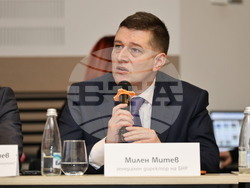
Bulgarian National Radio (BNR) Director General Milen Mitev emphasized the potential of tourism narratives. “Tourism is a source of good news because when it is discussed, it shows the audience that Bulgaria is a place worth visiting,” he said. Mitev called on businesses and hoteliers to seek out the media more actively and to organize more cultural events for inclusion in municipal calendars. He observed that the media are often “too cautious in reporting on business achievements for fear of it turning out to be hidden advertising, but when the aim is to inform the audience, there is no problem in mentioning names.” Mitev also noted that in April 2025, BNR and BNT will host one of the EU’s largest forums for radio and television – the Media Summit – which will give media executives from across Europe a chance to see what Bulgaria has to offer in tourism.
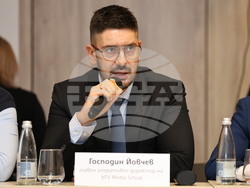
The Chief Operating Officer of bTV Media Group Gospodin Yovchev underlined that media backing for tourism must not come at the expense of editorial standards. “When we talk about media support, we mean reporting the facts, not distorting them. We have always strived to do so, even though over the years we have been criticized for sometimes focusing more on the negative than on the positive,” he said. At the same time, he stressed that the sector must provide material for constructive coverage: the media need representatives of the tourism industry to “feed” them with positive stories, he said, because their power is to tell those stories and make them public. “We need to work together to improve the self-awareness of Bulgarian and foreign tourists so that we can make the tourist experience even better and the attitude towards nature and facilities even more appropriate in order to ensure the sustainability of the tourism sector,” Yovchev added, pointing to bTV Media Group’s long-standing partnerships with both businesses and institutions.
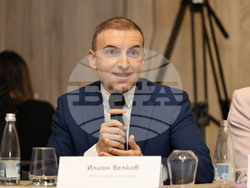
Nova Broadcasting Group representative Iliyan Velkov also stressed the importance of good news from the sector. “In order to have a strong winter season, we need new attractions and improvements to existing ones, which has been happening in recent years in Pamporovo, but there is still room for improvement,” he said. He described Nova as “a reliable partner of Bulgarian resorts” and urged businesses to organize events that can be covered in order to promote Bulgarian destinations. Velkov noted that the Mayor of Chepelare is actively working to expand flights from Plovdiv Airport, as connectivity remains one of the main challenges in the region.
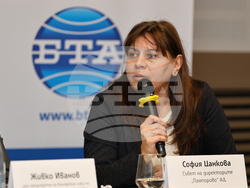
On behalf of the business community, Pamporovo Chief Executive Officer Sofia Tsankova called for a change in how information from resorts is perceived. “Information from Bulgarian resorts should be treated by the media as news of public interest rather than as advertising,” she said. Up-to-date information on the condition of the slopes, lifts and weather is exactly what tourists need when planning their holidays, she argued, and “such information… is not advertising.” Tsankova added that this practical information is freely available on resorts’ official websites and can be used and quoted by the media. “We must make sure that destinations are sustainable,” she stressed, adding that this can be achieved only if State and municipal institutions and the media support changes that serve the development of tourism.
Tsankova reported that Pamporovo is ready for the start of the winter season. The company has invested in expanding the artificial snowmaking system and, given favourable weather, “the ski area could open within three to four days.” During the discussion, Executive Director of the Rhodope Tourism Region Management Organization Georgi Pamporov asked whether the Ministry of Tourism is involved in the Perelik ski centre project and how it will continue the concept of tourism zoning. In reply, Minister Borshosh said that zoning created opportunities but that its success depends on the activity of regional organisations. Regions must be proactive, he added, because “present-day tourism is above all the result of an active regional policy.”
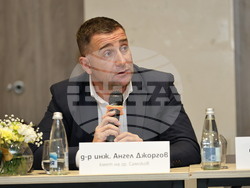
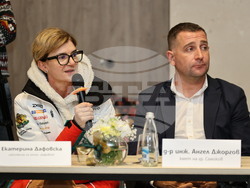
Local authorities used the forum to draw attention to the legal and infrastructure preconditions for accessibility. Samokov Mayor Angel Dzhorgov stressed the need for changes to the rules governing ski lifts and artificial snow. “It is important that legislative changes related to the construction of ski lifts and technical snow facilities, which have already been initiated, take place,” he said. The State, he argued, can help municipalities with infrastructure, noting that Borovets is a national resort and that the last major repair of the Sofia–Samokov road took place 25–26 years ago. Dzhorgov’s goal is to keep cars and jeeps out of the mountains so that they are accessible for young children and older people. To this end, “it is necessary to build lifts,” he said, adding that he sees no reason why this should harm nature. In recent years, because of climate change, “the so-called technical snow has become increasingly necessary,” he noted. The Municipality of Samokov reported a 6% increase in tourists last season and its resorts now offer over 15,000 beds. In 2026, Borovets, Bulgaria’s oldest ski resort, will celebrate its 130th anniversary, Dzhorgov added.
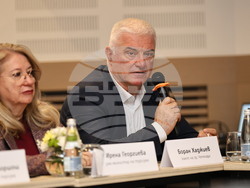
Chepelare Mayor Boran Hadzhiev focused on the regulatory environment for investors. The mountain settlements of Chepelare, Samokov, Vitosha and Bansko, he said, have introduced the necessary legislative changes “to free up business and encourage investment, because tourism is driven by the hoteliers who invest in their property.” He pointed to annual improvements in conditions for tourists but warned that long-running changes to the General Development Plan, ongoing for five to six years, prevent local authorities from building much-needed parking infrastructure. Legal amendments are required so that work on strategic tourism sites is not stopped altogether but only the price contested, as with national sites and motorways, he argued. “I am one of those mayors who listen to experts and trust their knowledge, experience, and skills,” Hadzhiev said.
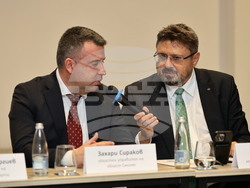
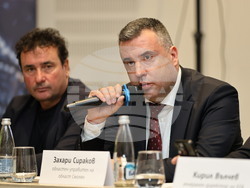
Smolyan Regional Governor Zahari Sirakov stressed that the Rhodope Mountains’ accessibility also depends on regional and cross-border connections. The priorities for Smolyan Region, he said, are “transport connectivity to Plovdiv and Plovdiv Airport through the construction of a high-speed road, and the opening of the Aegean Pass” at the currently inactive Rudozem – Xanthi border-crossing checkpoint. “We hope this will happen soon, because the opening of the Aegean Pass will make Smolyan Region a cross-border area,” Sirakov said, expressing hope that design work for the high-speed road between Smolyan and Plovdiv would begin in the near future. He emphasised that there is no more mountainous destination than the Rhodopes, whose hospitality, cultural heritage and natural assets make it an outstanding destination.
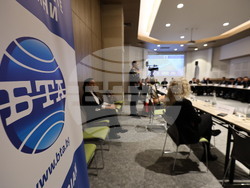
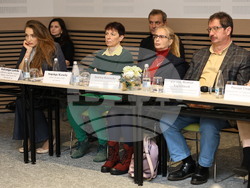
The Pamporovo forum, hosted at the Perelik Hotel and organized by BTA in partnership with the Municipality of Chepelare, the Bulgarian Union of Balneology and SPA Tourism (BUBSPA) and the resort of Pamporovo, is the eighth edition of BTA’s initiative to convene national and local institutions, the tourism industry, NGOs, academics and media twice a year, ahead of the summer and winter seasons. Among those invited were Parliamentary Tourism Committee Chair Desislav Taskov (BSP – United Left), Youth and Sports Minister Ivan Peshev, Tourism Minister Miroslav Borshosh and deputy ministers, local authorities, heads of organisations in the tourism business and resort complexes, and representatives of educational institutions in the field of tourism, as well as CEM Chair Simona Veleva and leaders of media outlets that are members of the Union of Bulgarian National Electronic Media.
Summing up the discussion, participants agreed that making Bulgaria’s mountain tourism truly accessible, in terms of transport, pricing, health and information, as well as clear, positive and fact-based communication, will require coordinated action by the State, municipalities, the tourism business, the health and sports sectors, and the media. The message Bulgaria – An Accessible Holiday was adopted as their shared commitment to that goal ahead of the 2025/2026 winter season.
/КТ/
Additional



news.modal.image.header
news.modal.image.text
news.modal.download.header
news.modal.download.text
news.modal.header
news.modal.text