site.btaEuropean Defence Commissioner Kubilius Calls for Defence Union as Parliament Backs Faster Asylum Rules
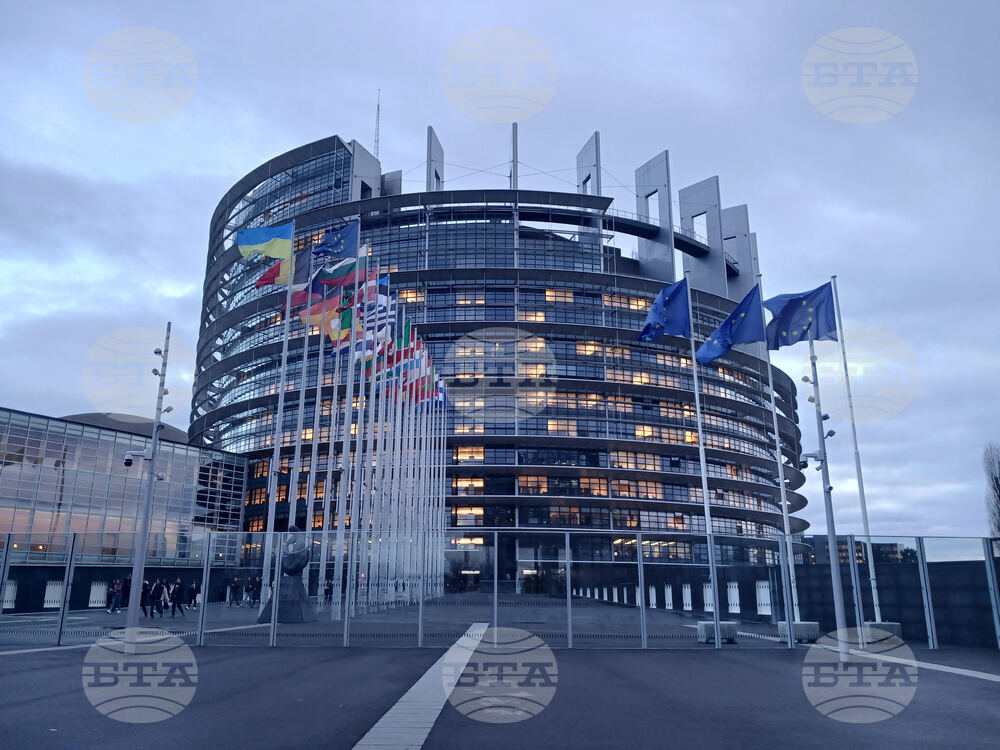
The European Parliament in Strasbourg on Tuesday voted on EU asylum procedure rules and held a debate on European defence, opened by European Commissioner for Defence and Space Andrius Kubilius.
Kubilius said a key EU priority should be reducing dependence on US strategic enablers such as space-based intelligence and air-to-air refuelling, and called for stronger joint European action, including the idea of a European Defence Union. In the debate that followed, MEPs broadly split between those pressing for greater European strategic autonomy through deeper defence cooperation and those emphasizing Member States’ sovereignty in defence and NATO’s leading role.
Discussion focused on Europe’s ability to defend itself amid a changing international environment, in view of relations with the US, cooperation with NATO, and Russia’s continuing war against Ukraine. In closing, Kubilius urged swift action, arguing that the threat from Russia and President Vladimir Putin will not wait for Europe to complete its security preparations.
During the plenary, UN General Assembly President Annalena Baerbock addressed MEPs, warning that the world order is under attack and pointing to conflicts and to some powers withdrawing from international organisations. She highlighted Europe’s role, together with the UN, in countering assaults on the rules-based order, human rights violations and disinformation, and also spoke about the harsh conditions Ukrainians are facing in their fourth winter of war, including Russian strikes on the energy system.
MEPs also discussed Syria and the war in Sudan, drawing attention to the role of external powers and urging that the crisis in Sudan not be ignored.
On migration-related files, Parliament backed changes intended to speed up the processing of asylum applications and approved an EU list of safe countries of origin for asylum applicants. The list includes Bangladesh, Colombia, Egypt, Kosovo, India, Morocco and Tunisia, and EU candidate countries will also be treated as safe. The safe countries of origin list was approved with 408 votes in favour, 184 against and 60 abstentions.
MEPs also approved an agreement on applying the safe third country concept, backed by 396 votes in favour, 226 against and 30 abstentions.
/КТ/
news.modal.header
news.modal.text