site.btaSerbian President Vucic Signs Judicial Laws EC Describes as Step Backward for European Integration
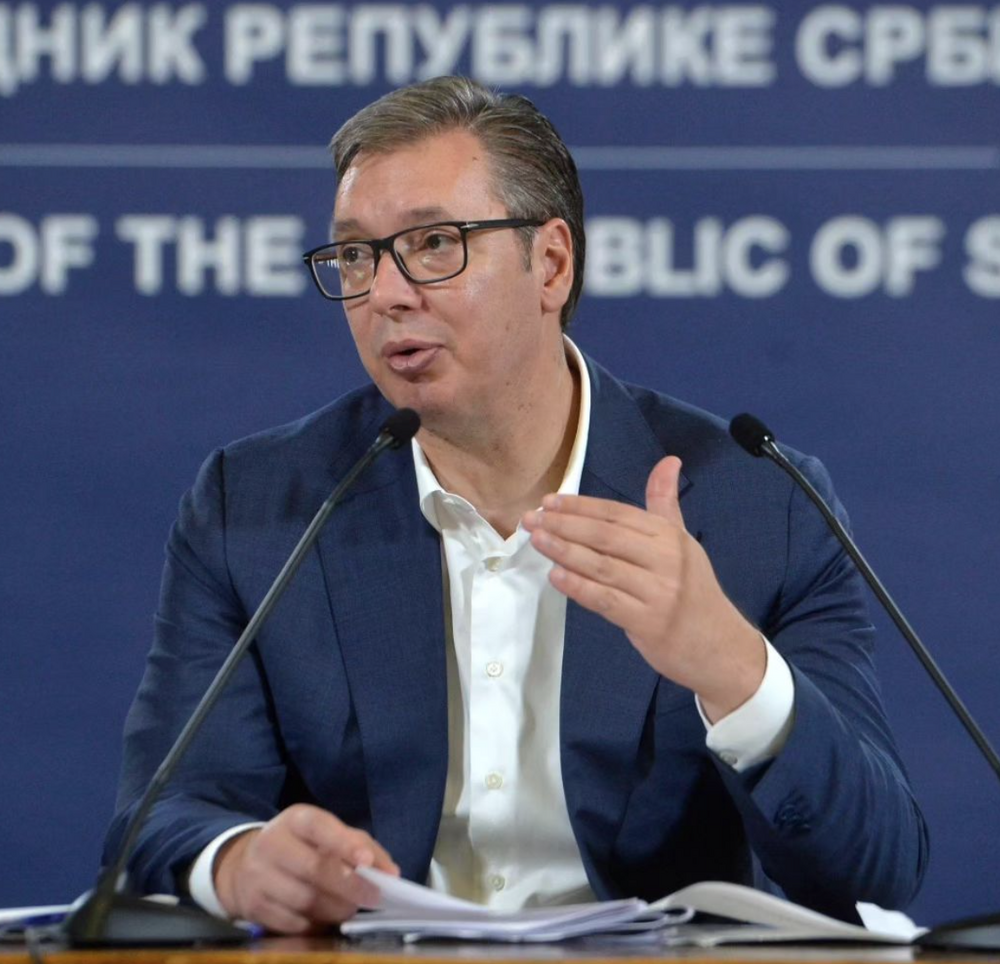
Serbian President Aleksandar Vucic has signed decrees approving a set of judicial reforms which the European Commission (EC) has described as "a serious step backwards in Serbia's European integration process", according to reports in Serbian media. The five laws were passed by the ruling majority in the Serbian Parliament on January 28 and came into force on January 30, according to Radio Television of Serbia.
The adopted amendments affect the laws on prosecution and judges, as well as the laws on the locations and jurisdictions of courts and prosecution offices. The set of laws also includes changes to the High Prosecutorial Council law, as well as amendments to the law on the organization and competence of state bodies for combating high-tech crime. Opposition party representatives believe that the changes are intended to give the government greater control over the judicial system and reduce the objectivity of prosecution offices. According to media reports, the laws were adopted without public debate or consultation with prosecutors, judges, the Venice Commission or the European Union, who assessed that the government was attempting to take control of the judicial system.
The EC immediately called on Belgrade to review the laws and align them with European standards as soon as possible. It concluded that the laws undermine the independence of the judiciary, as well as the autonomy and functioning of the prosecution services.
The European Commissioner for Enlargement, Marta Kos, said on January 29 that candidate countries for European integration are expected to behave in a European manner. According to her, these amendments were adopted in a very quick and non-transparent manner. She described them as "a serious step backwards".
In response to the criticism from Brussels, President Vucic said that he "had not even read the laws", and when asked whether MPs from the ruling Serbian Progressive Party (SNS) would respond to the request for their revision, he said that "it was their job".
Members of the ruling majority in the Serbian parliament defended the changes, arguing that they would make the courts more efficient and fairer. MP Ugljesa Mrdic of the SNS, the sponsor of the proposals, said that their adoption "has started a process of returning the stolen judicial system to the state and the people". According to the Serbian edition of Radio Free Europe, on the day he signed the decrees, Vucic met with ambassadors from EU member states in Belgrade.
Writing on his Instagram profile, the President said that Serbia remains committed to dialogue, stability, and a responsible approach, with a clear desire to demonstrate through its work and results that it is a reliable partner of the EU. Vucic added that the meeting had been an open and substantive conversation with the ambassadors of the EU member states about Serbia's European path, the reforms the country is implementing, and the challenges it faces. He further stated that the Serbian government had decided to form an operational body to coordinate the accelerated implementation of all obligations on Serbia's European path.
/RY/
news.modal.header
news.modal.text