site.btaHoly Month of Ramazan Begins in Turkiye
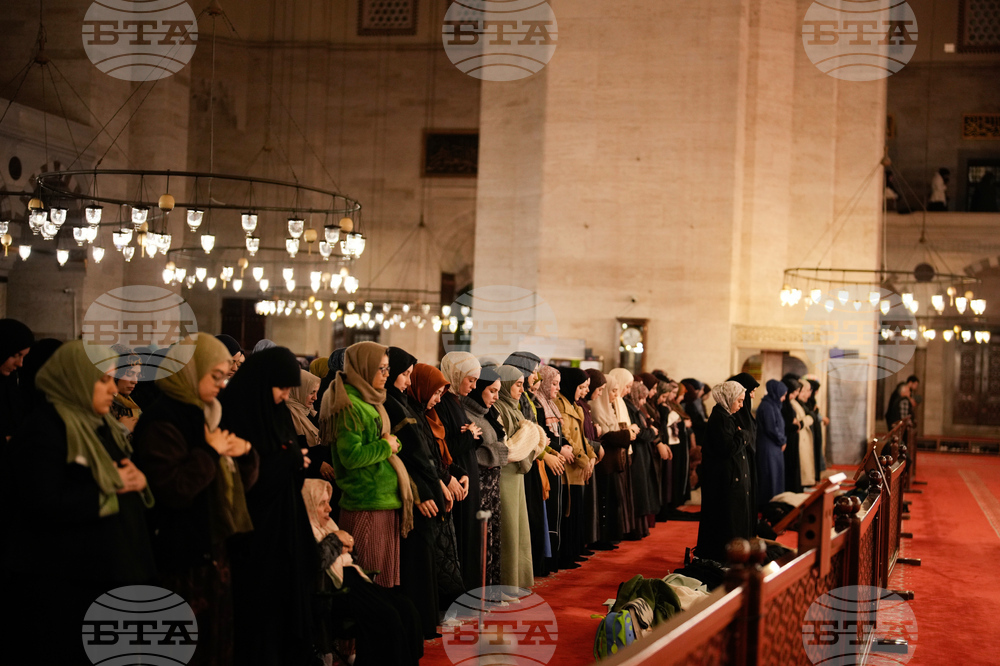
The holy month of Ramazan, during which fasting - known as oruc - is observed, began in 86-million-strong Turkiye on Thursday.
Those observing oruc refrain from eating and drinking from sunrise to sunset. Fasting is considered a core tenet of Islam, symbolizing sharing, compassion, mercy, solidarity with those in need, patience, humility, and the strengthening of social bonds. It is also regarded as a symbol of prosperity. For this reason, Turks often call Ramazan “the Sultan of the 11 months,” the most blessed period of the Islamic calendar.
During Ramazan, state and municipal employees work shorter hours, transport services in megalopolises extend their schedules. Restaurants and many educational institutions also adjust to the rules of Ramazan.
Oruc began on Thursday morning with suhur, the pre-dawn meal. Fasting continues for roughly 10 hours. It is is broken at iftar, the evening meal, signalled by a call from the muezzin and the firing of a cannon. Thursday evening marks the first iftar of this year’s Ramazan.
In Istanbul, iftar began at 6:48 p.m. on February 19, but times vary across the country - from 5:51 p.m. in Igdir in eastern Turkiye to 7:02 p.m. in Çanakkale, according to Turkish state television TRT Haber. Each day, the timing of suhur moves earlier and the fasting period extends as daylight hours increase. The schedule of suhur and iftar is set according to the Imsakiye, the official Muslim calendar.
At iftar, tables are traditionally laden with soups, dates, olives, bread, pastrami, vegetarian and meat dishes, desserts, and tea or coffee. Meals begin with a glass of water and dates, and families, relatives, friends, and colleagues gather to break the fast together.
After suhur, worshippers visit mosques for the Tarawih prayer, performed throughout the month. It is the only prayer in which women participate, and mosques are reportedly at their fullest during this time. Minarets are decorated with illuminated garlands, and mosques remain open throughout the night.
In Istanbul, a city of 16 million, this year’s Ramazan coincides with the start of spring, adding to the lively atmosphere of the megalopolis teeming with tourists. Numerous establishments remain open until suhur, municipalities host cultural events and traditional programmes, while television channels adjust their schedules to accommodate Ramazan observances.
During Ramazan, certain dishes are prepared that are not commonly made at other times of the year. These include Ramazan bread and the dessert gullac - thin sheets of starch soaked in warm milk, garnished with pomegranate seeds, and flavored with rose water.
This year’s Ramazan comes amid a significant rise in food prices. Turkish citizens are facing sharply higher costs for traditional Ramazan items, Milliyet reports. Traders selling staples for the Ramazan table - such as dates, meat, bread, cheese, fish, and vegetables - say prices have increased by 30% to 50% compared to last year and many people buy less.
The fast will end on March 19, followed by Ramazan Bayram, one of Islam’s two major holidays, which lasts three and a half days.
The first day of Ramazan this year was marked at the Presidential Complex in Ankara with concerts, exhibitions, and performances. The Anadolu Agency presented a dedicated stand, “AA Book,” at the Ramazan book fair held at the National Library of the Presidential Complex.
/TM/
news.modal.header
news.modal.text