site.btaLack of Support for Women with Cancer Becomes Social Problem, Study Finds
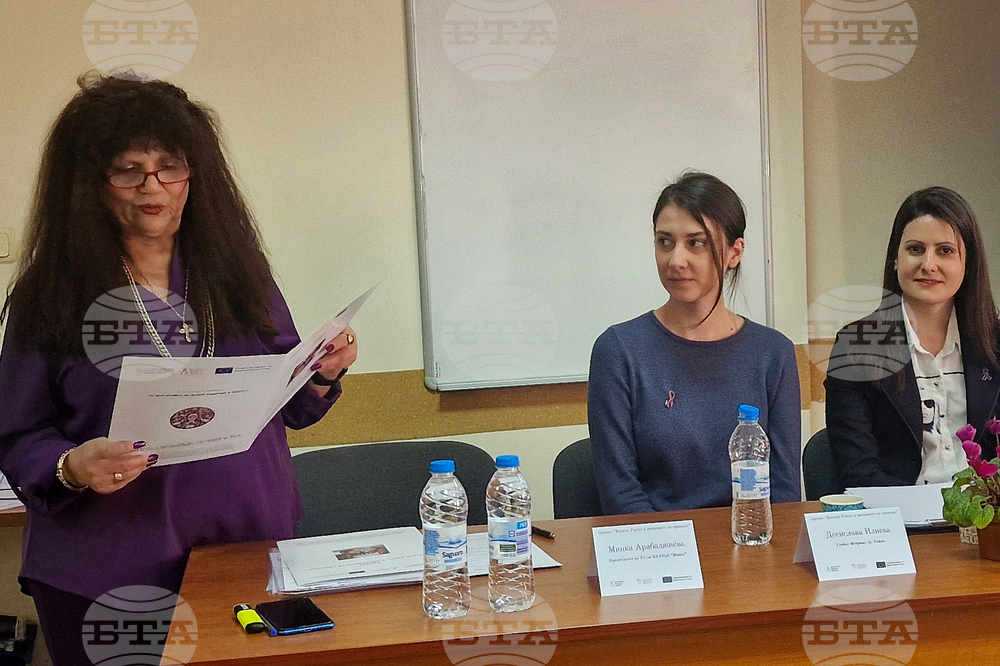
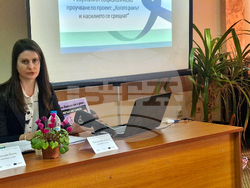
A lack of support for women with cancer in Bulgaria is becoming a social problem, Global Research representative Tsvetina Mladenova said on Friday, presenting findings at the opening of a three-day training seminar for psychologists.
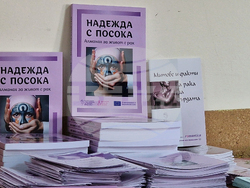
The survey and seminar are part of the When Cancer and Violence Meet project, financed under the Silna programme of the Bulgarian Women's Fund and carried out by the Bulgarian Association of People with Oncological and Other Diseases Life. Conducted in April 2025 among 344 adult women with cancer, it was described as the first survey of its kind in the country to examine their psychological state. More than one-third of respondents said they did not feel sufficiently supported by society, while about 45% said the healthcare system did not give them the support they needed. Views of institutions more broadly were similarly negative.
The analysis also found troubling levels of violence and discrimination linked to the illness. Some 36% of participants said they had faced at least one form of violence or discrimination at home or at work. Examples included discrimination in workplaces and medical facilities, disregard for civil rights, refusal to hire, denial of assistance and social isolation. The survey also pointed to strong demand for psychological support during treatment, with 85% saying centres for psychological assistance should be set up at oncology hospitals.
Chair of the Bulgarian Association of People with Oncological and Other Diseases Life Minka Arabadzhieva said the creation of such centres was the main advocacy goal of the project. Arabadzhieva added that about 50 people with cancer from Haskovo Region who had faced physical or psychological violence had received specialist psychological support under the project over the past year.
Deputy Regional Governor of Haskovo Region Marina Tasheva said the issue was painful but needed to be discussed. Head of the Healthcare and Social Activities Department at Haskovo Municipality Zlata Karadzhova added that the association was among the city's active non-governmental organizations that bring important social problems to public attention and work with institutions and civil society to find solutions.
/NZ/
Additional
news.modal.image.header
news.modal.image.text
news.modal.download.header
news.modal.download.text
news.modal.header
news.modal.text