site.btaJourney into the Past: The Home of Romania's 36th Prime Minister Tatarescu
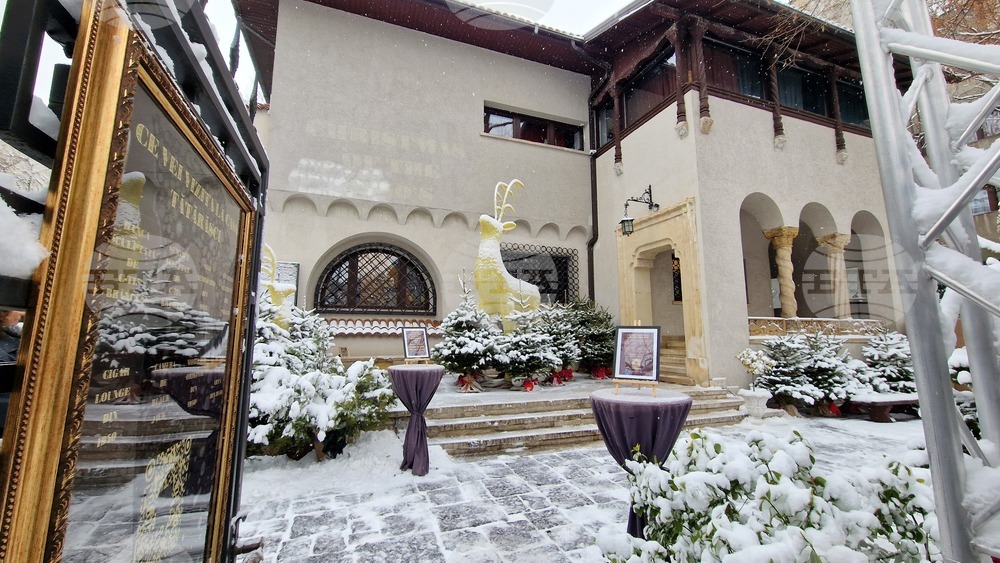
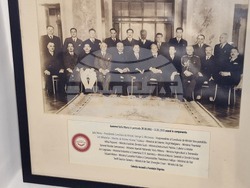
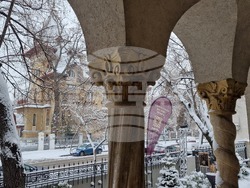
An architectural gem steeped in unforgettable memories stands at 19 Polona Street in Bucharest - the home of Romania's 36th prime minister, Gheorghe Tatarescu (1886-1957). A liberal by conviction with a doctorate in law from the Sorbonne, Tatarescu rose rapidly through the ranks and in 1938 was regarded as the best prime minister in Romania's modern history, at a time when the Romanian leu was at parity with the US dollar, local media write.
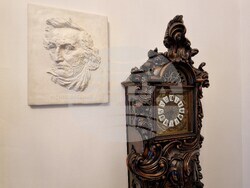
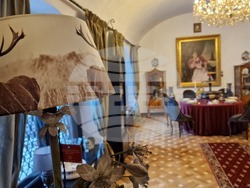
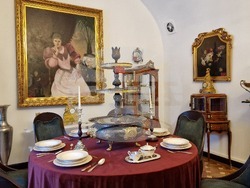
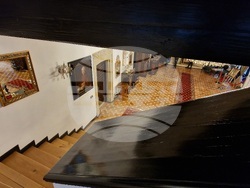
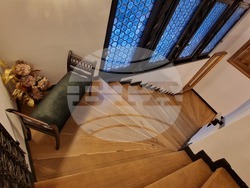
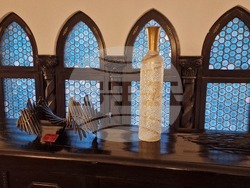
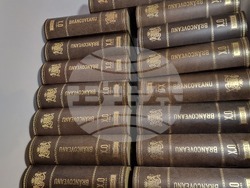
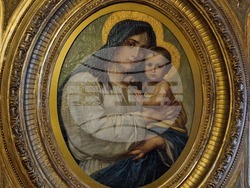
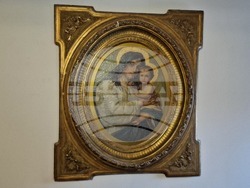
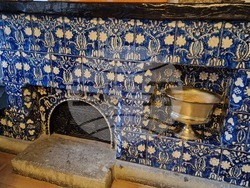
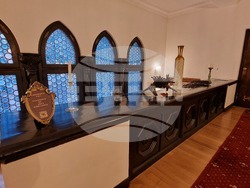
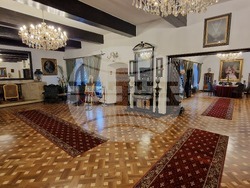
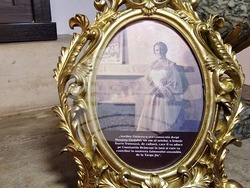
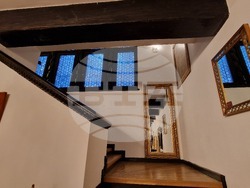
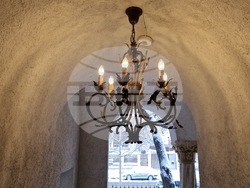
Today, the echo of elegant footsteps still seems to linger on the marble staircase, while whispers of discreet cultural soirees drift through the rooms. The house is among the earliest architectural projects of its kind, combining Mediterranean style with numerous Neo-Romanian elements. It was built in 1930 at the request of Tatarescu's wife, Arethia. She was a figure of art and culture and a very beautiful woman. She succeeded in bringing Romania's most renowned sculptor, Constantin Brancuși, back from France and enlisted his student, Milita Petrascu, to take part in the project, Irina Buburuzan, our guide on this journey into the past, told BTA.
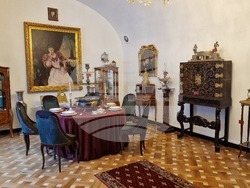
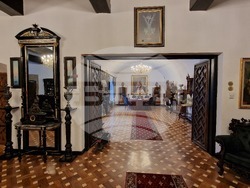
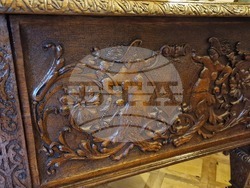
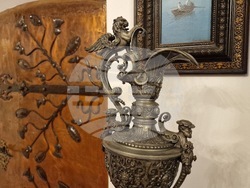
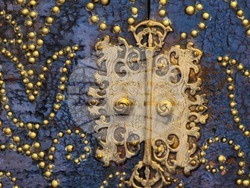
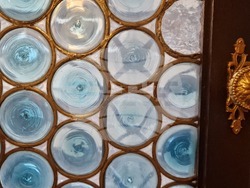
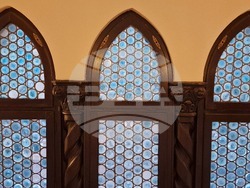
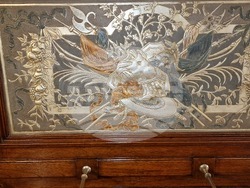
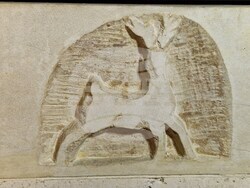
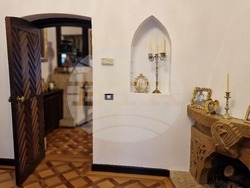
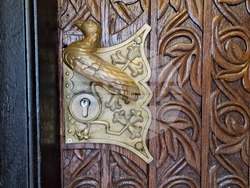
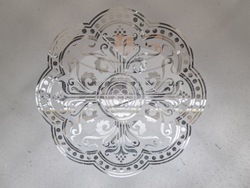
The door fittings are made of patinated brass with motifs reminiscent of the goldsmithing traditions of medieval Transylvanian masters. The parquet flooring is solid oak, featuring a range of wood species in varying shades, and the doors are also crafted from solid oak.
"A curious detail is the kitchen, located on the mezzanine. Access to it was through a separate entrance and a secondary staircase. The Tatarescu family belonged to that aristocracy which could not tolerate the smell of cooking. We find something similar in the White Palace complex in Belgrade and at the Euxinograd Palace near the Bulgarian city of Varna, where the kitchen is located in a separate building," explains Romanian architect Madalin Ghideanu.
In 1947, the Tatarescu family's life was upended by the onset of what was later described as "the terror of the people's rule". A decree on the nationalization of property belonging to the big bourgeoisie transferred some of Bucharest's most valuable buildings to the state. They were taken over by representatives of the new regime, who became known as the "red bourgeoisie". The Tatarescu family lost everything.
"They burst in shouting, breaking down the door. It was early morning, we were still asleep. They produced a confiscation document from the mayor's office and told us we had no right to take anything from the house. My mother fainted. She wanted to take something that belonged to her, but they stopped her. She had about 300 hats, some brought from Paris, and they did not allow her to take at least some of them," recalls Tatarescu's daughter, Sanda Tatarescu Negropontes, in the programme Professionals, produced by Ștefania Voda and broadcast on May 7, 2021.
During the 1989 Revolution, the house served as the headquarters of the diplomatic corps. Ten years later, Sanda fought the Romanian state and managed to recover part of the Tatarescu family's wealth, including the house on Polona Street. She thus became one of Romania's wealthiest women, with assets estimated at USD 20 million, according to local media.
Sanda, however, chose not to return to Bucharest, and the house was rented out to a Turkish tenant who opened a small restaurant. At the end of 2005, he abandoned the business and the property was taken over by a group of 22 influential figures from the banking sector. They opened the Heritage restaurant and brought in Juan Amador, the promoter of molecular gastronomy and one of the world's 50 chefs awarded three Michelin stars. Even this, however, proved insufficient to secure a steady clientele, and the restaurant was eventually closed.
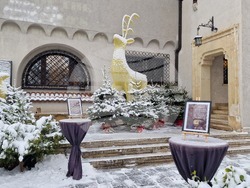
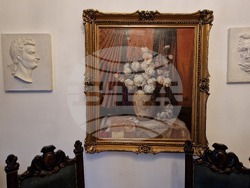
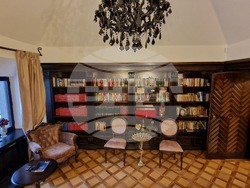
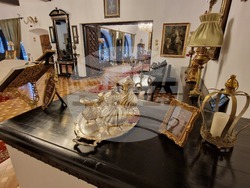
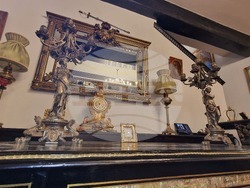
Now the house is owned by two lawyers who live abroad and is managed by EkoGroup. Under CEO Eduard Petrescu, the building has been renovated while retaining its original character. The floors, walls and libraries date back to 1930. For an entrance fee of EUR 12 for adults and EUR 7 for school students, visitors can tour the house with a guide, take photographs and enjoy coffee or tea.
"We saw this as a way to spark young people's interest in history and to turn the house into a cultural centre for auctions, exhibitions and events. An exhibition of 17th-century icons is scheduled to open on March 1," Irina Buburuzan of EkoGroup told BTA.
/DD/
Additional


news.modal.image.header
news.modal.image.text
news.modal.download.header
news.modal.download.text
news.modal.header
news.modal.text