site.btaUPDATED BTA Director General Calls for Public Media Pay to Match Teachers' Salaries
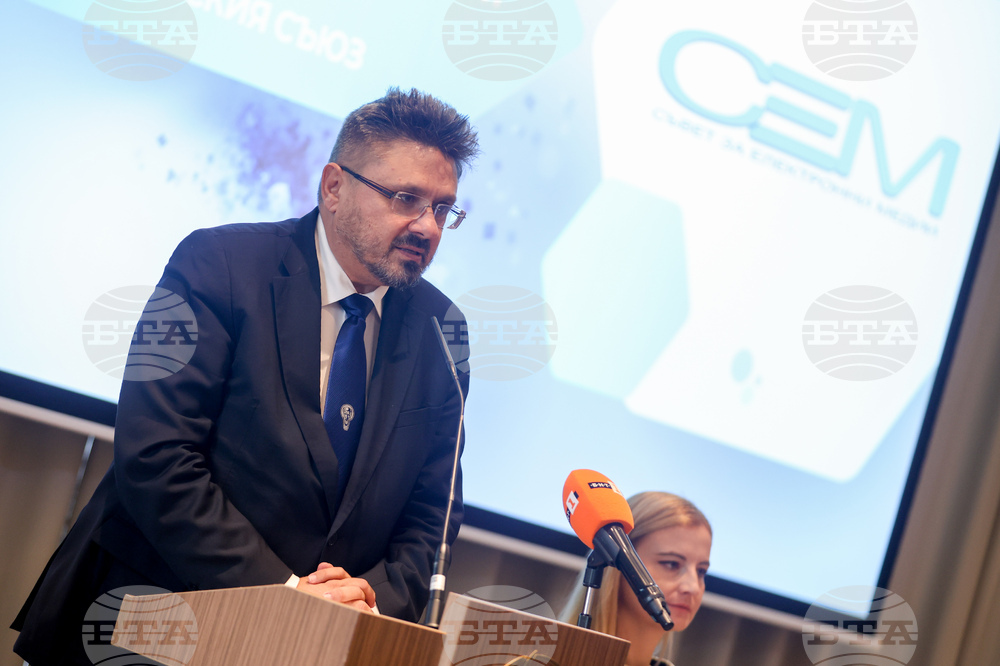
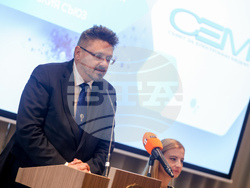
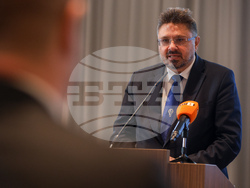
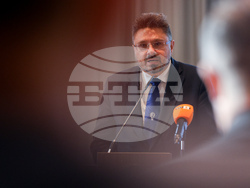
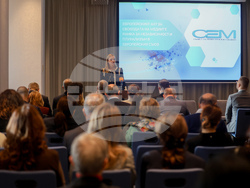
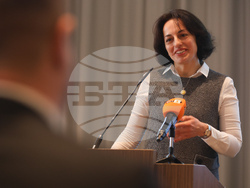
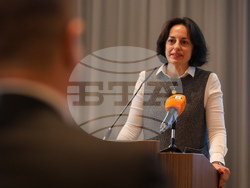
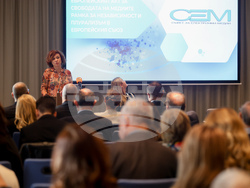
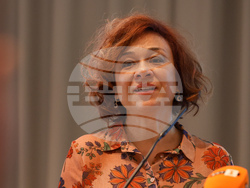
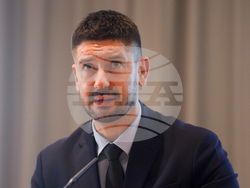
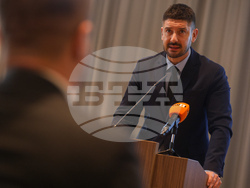
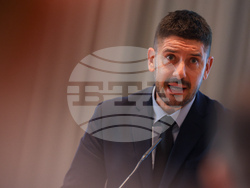
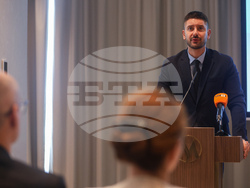
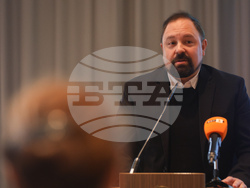
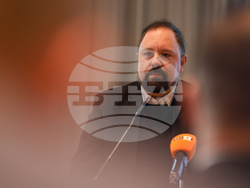
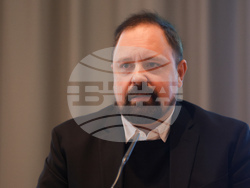
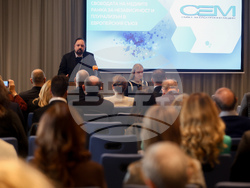
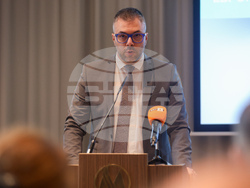
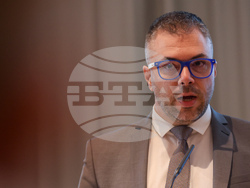
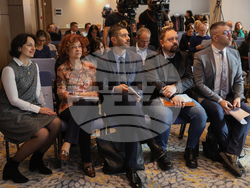
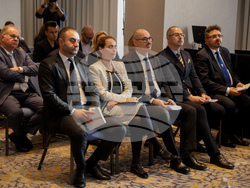
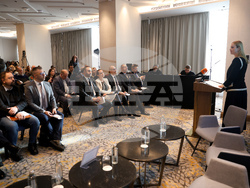
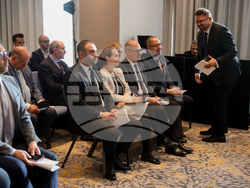
Salaries in public media need to be brought at least up to the level of teachers' pay, Kiril Valchev, Director General of the Bulgarian News Agency (BTA), said here on Tuesday. He was speaking at the opening of a conference titled "The European Media Freedom Act - a Framework for Independence and Pluralism in the European Union." The event was organized by the Council for Electronic Media (CEM).
Valchev explained that at BTA, even though salaries have risen by more than 80% between 2021 and 2025 - an increase more than twice the rate of inflation - and even though the agency has introduced a regular bonus scheme based on performance, paid training, and support for various groups of employees (including for parents at the birth of a child or when their child starts first or eighth grade), and despite the significantly improved working conditions, pay still lags behind comparable sectors. Teachers and public relations specialists, including those in state and municipal institutions, earn much more than people working in the media, he said.
According to him, the most important element for truly understanding the world today is the people who report on it. "That is why, alongside investments in artificial intelligence, we must also invest in natural intelligence to ensure its freedom and independence. Journalists' pay is an important guarantee for protecting the freedom of natural intelligence in the news media", noted Valchev.
In his words, the theme of this conference carries a clear message: "we must use freedom, not confine it". "There is always a risk of creating ever-narrower frameworks, until the space for freedom becomes so small that it is barely visible or disappears entirely. A 200-page tome on media freedom seems excessive as a guarantee for freedom in any area of society. In free societies, we should see opportunities, not restrictions against threats to the media when discussing legislation," Valchev commented.
He mentioned two examples of new opportunities that exist today for media outlets carrying editorial responsibility: social media and artificial intelligence, though some perceive these primarily as threats to journalism. "Traditional media outlets should embrace social media rather than look for ways to limit its use for content – especially through payment demands, because social platforms can operate without that content," Valchev explained.
He cited Canada’s attempt to force Facebook to pay for media content, to which the platform responded that it accounted for only 4% of their content and they could manage without it. In Canada, you cannot even open a link to BTA. "Facebook is happy with this outcome," he said.
He cited research by the Reuters Institute for the Study of Journalism, conducted earlier this year among 97,000 people across five continents in 48 countries, including Bulgaria, which showed that traditional media are losing audiences to social and video platforms. In the US since 2013, print media lost 33% of their audience, TV lost 22%, and online news sites lost 21%, while social and video platforms doubled their users from 27% to 54%. The same trend is seen worldwide, especially among young people, Valchev noted.
He added that BTA is now present on nine social media platforms to ensure that real news reaches audiences through these channels.
Valchev highlighted a positive aspect of the European Media Freedom Act – it protects media from the unjustified removal of online content by major online platforms.
Dwelling on AI as an opportunity for media outlets, he said it should serve natural intelligence in the media. BTA is preparing its own rules for AI use in the agency, which will become part of BTA’s Ethical Code by its 128th anniversary on February 16 next year. "These rules will include a simple principle: the journalist’s natural intelligence must always lead and conclude the creation of news content. Moreover, BTA is working to implement AI in more than 20 processes in content creation to significantly improve outcomes," Valchev explained.
He emphasized that journalists need training to use AI correctly and effectively. Fundamentally, this relies on long-established human skills – asking deep questions, providing context, and critically evaluating answers. The challenge now is applying these principles with new technologies. At BTA, they are considering reversing the mentorship model: younger staff guiding older employees on technology use, similar to practices at Italy’s national news agency ANSA, Valchev said.
"The only way to have news for which someone is accountable, is to continue and deepen support for public media, while also providing programs with clear rules for private media, including Bulgarians abroad who create content in Bulgarian. One example is the state-funded free access to BTA content, which serves all media,” he added.
Valchev concluded that in Bulgaria, it is particularly important to establish clear policies to achieve three further goals of the European Media Freedom Act: adequate, sustainable, and predictable funding for future public media activities in line with their public service mission; transparency of state advertising for media service providers and online platforms; and grants to support local and regional media innovation and promote pluralism.
/NF/
Additional













news.modal.image.header
news.modal.image.text
news.modal.download.header
news.modal.download.text
news.modal.header
news.modal.text