site.btaEuropean Commission President von der Leyen Sets Out New EU Sanctions Proposal on Russia
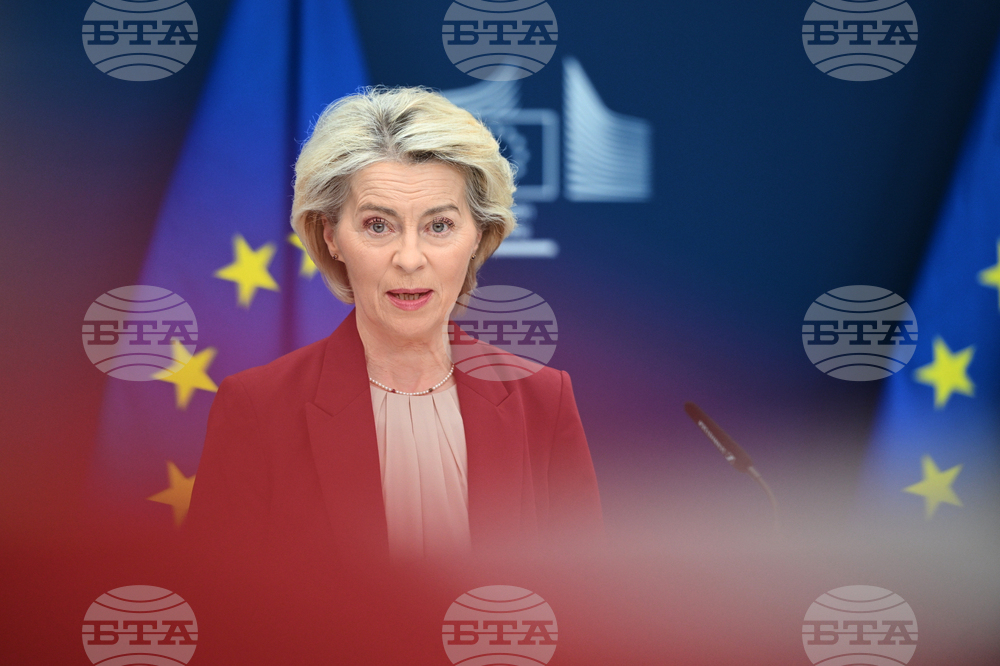
European Commission President Ursula von der Leyen set out proposals for additional EU sanctions against Russia over the war in Ukraine on Friday.
The package targeted energy, financial services and trade, including a G7-coordinated ban on maritime services linked to Russian crude oil.
The plan aims to make it harder for Russia to acquire tankers for its so-called shadow fleet and to ban the provision of maintenance and other services for LNG tankers and icebreakers.
A further 20 Russian regional banks are added, and measures linked to cryptocurrencies are proposed. The plan includes restrictions on exports to Russia of goods and services, from rubber to tractors and cybersecurity services, worth more than EUR 360 million, von der Leyen said. On imports, it proposes a ban on metals, chemicals and key minerals worth more than EUR 570 million, and the introduction of an ammonia quota.
"To show our determination to cut sanction evasion, we will activate for the first time the Anti-circumvention tool, by prohibiting the export of any computer numerical control machines and radios to jurisdictions where there is a high risk that these products are re-exported to Russia," von der Leyen said.
"Finally, we propose stronger legal safeguards for EU companies to protect them from violations of their IP rights or from unfair expropriation in Russia due to abusive court rulings in connection with sanctions," she added.
"Russia's war of aggression against Ukraine will soon reach 1,500 days," she said, adding that throughout the past year Russian forces advanced by an average of between 15 and 70 metres a day. Russian forces seized only about 0.8% of Ukraine’s territory, despite the highest casualty rate since the Second World War, she said. While Ukraine continued to defend itself with exceptional courage on the battlefield, the Kremlin doubled down on war crimes by deliberately targeting homes and civilian infrastructure, she added.
Energy facilities and heating networks were destroyed, and entire communities were left without electricity in sub-zero temperatures, she said.
"This is not the conduct of a state seeking peace. It is the behaviour of a nation waging a war of attrition against an innocent civilian population," von der Leyen said. As important peace talks continued in Abu Dhabi, it had to be clear that Russia would come to the negotiating table with genuine intentions only if it was pressured to do so, she added. "This is the only language Russia understands," she said, referring to Friday’s proposal to expand sanctions.
Von der Leyen said Russia’s oil and gas revenues fell by 24% in 2025 compared with the previous year, marking the lowest level since 2020 and leading to a wider fiscal deficit. She added that oil and gas revenues in January would be the lowest since the start of the war, interest rates were at 16%, and inflation remained high.
"This confirms what we already knew; our sanctions work, and we will continue to use them until Russia engages in serious negotiations with Ukraine for a just and lasting peace," von der Leyen said. She urged EU countries to back Friday’s proposal quickly.
/NZ/
news.modal.header
news.modal.text