site.btaRose Producers, Rose Processors, Experts Discuss Sector Problems, Necessary Legislative Changes
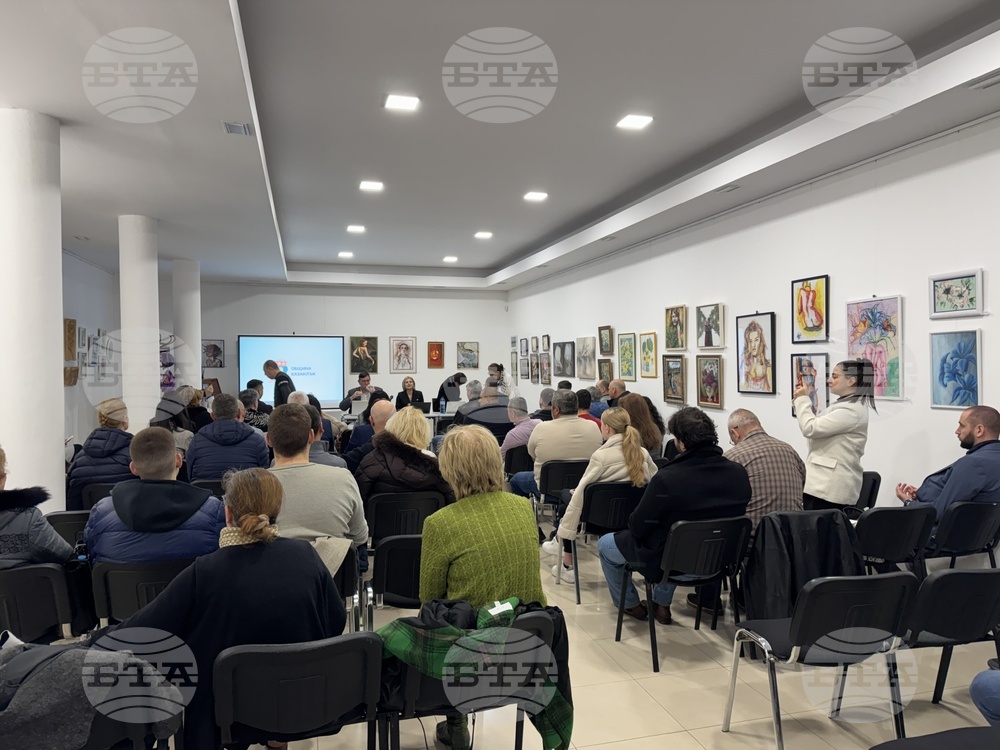
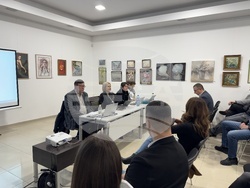
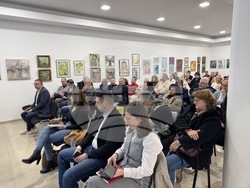
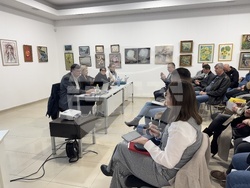
Rose growers and processors discussed the problems and challenges facing the sector with experts from the Ministry of Agriculture and Food at the industry’s annual meeting, held on Thursday in Kazanlak, and organized by the Bulgarian National Association of Essential Oils, Perfumery and Cosmetics.
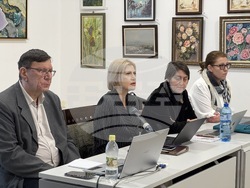
Among those attending were Deputy Minister of Agriculture and Food Ivana Murdzheva, Kazanlak Mayor Galina Stoyanova, the Association’s Management Board Chair Gergana Andreeva, and Petar Kirovski, Director of the Crop Production Directorate at the Ministry of Agriculture and Food.
At the discussion, Kirovski presented up-to-date data on the state of the sector, noting unfavourable trends in recent years, including a decline in the production of rose blossoms and rose oil. He presented data from scientific research indicating that Bulgaria holds a leading position worldwide in the quality of its rose oil, with Turkiye, China, Iran, Morocco, and Azerbaijan identified as the country’s main competitors.
Murdzheva said that during the term of the caretaker government an analysis of the current Oil-bearing Rose Act could be prepared and the necessary amendments clearly formulated. She stated that if the sector submits concrete proposals for changes to the law, the caretaker cabinet would be ready to prepare a draft acceptable to the industry within its mandate, although without committing to submitting it to the National Assembly during that period.
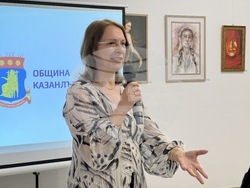
Kazanlak Mayor Stoyanova noted that the sector faces numerous challenges that go beyond financial issues. She called on those working in rose production not to divide or oppose one another, but instead to unite and outline their demands, which could then be supported by local communities. She added that no mayor in municipalities where the sector is developed would refuse to back them. Stoyanova said that joint efforts are needed to secure recognition of the sector as strategic for the state and to have this status reflected in legislation.
Another focus of the discussion was child labour, informal employment, and workplace safety. A presentation on the topic was delivered by Elitsa Likova from UEBT (Union for Ethical Bio Trade) Bulgaria.
During the meeting, industry representatives highlighted several challenges facing the sector, including insufficient funding, administrative difficulties, and labour shortages. They called for support from the state and warned that the sector is under significant risk.
Speaking to journalists after the meeting, Gergana Andreeva said such discussions are essential for sharing expectations and reminding the industry of its responsibilities, as well as the conditions producers must meet to receive state support. She described the presence of Deputy Minister Murdzheva as highly valuable and thanked Petar Kirovski for the good cooperation.
"The issues raised regarding child labour, youth employment, and safe working conditions are extremely relevant. It is high time we realize that the clients who buy this raw material expect this from us," Andreeva said. She noted that if buyers are not given guarantees that Bulgarian producers comply with all requirements, they will turn to other suppliers.
She added that conclusions from the discussion are yet to be drawn. Another meeting will be held next week at the Ministry of Agriculture and Food, where the issues will be further discussed.
Andreeva also said work continues actively on the application documents for including the Rose Valley to UNESCO’s List of Intangible Cultural Heritage, as well as for its registration in the Globally Important Agricultural Heritage Systems (GIAHS) of the Food and Agriculture Organization of the United Nations.
/VL/
Additional

news.modal.image.header
news.modal.image.text
news.modal.download.header
news.modal.download.text
news.modal.header
news.modal.text