Wrap-up
![Tripartite Council Debates Introduction of Multi-Fund Model in Supplementary Pension Insurance]()
![Tripartite Council Debates Introduction of Multi-Fund Model in Supplementary Pension Insurance]() Snapshot of the meeting of the National Council for Tripartite Cooperation, January 19, 2026 (BTA Photo/Nikola Uzunov)
Snapshot of the meeting of the National Council for Tripartite Cooperation, January 19, 2026 (BTA Photo/Nikola Uzunov)
site.btaTripartite Council Debates Introduction of Multi-Fund Model in Supplementary Pension Insurance
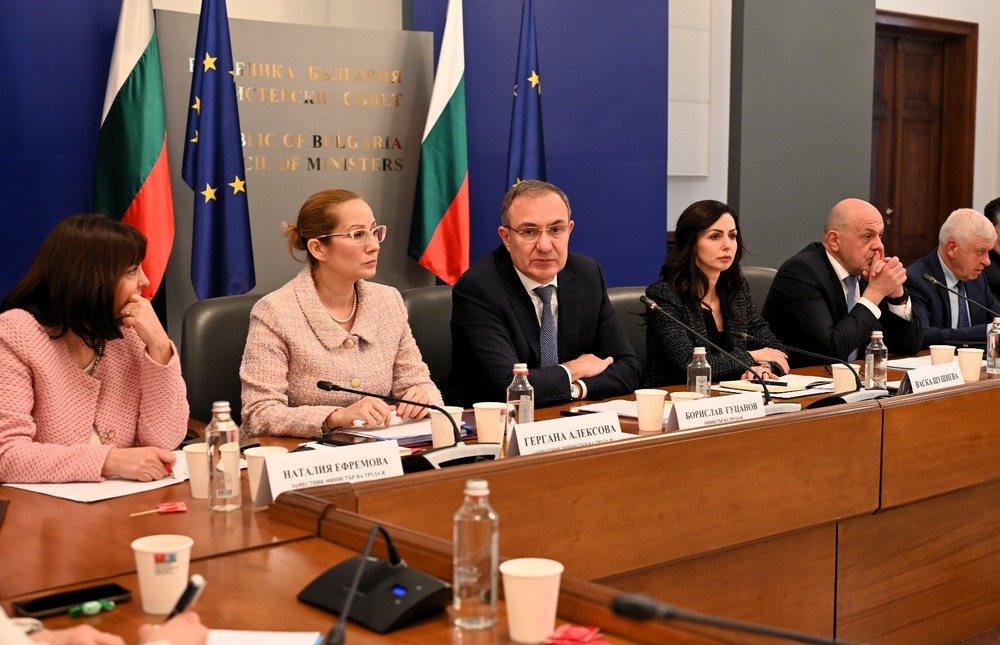
Bulgaria’s National Council for Tripartite Cooperation (NCTC), bringing together representatives of the government, nationally representative employers’ organizations and trade unions, discussed Monday proposed amendments to the Social Insurance Code introducing a multi-fund model in supplementary pension insurance, as institutions presented differing positions on the content, timing and expected impact of the reform.
Attending the NCTC meeting, outgoing Deputy Finance Minister Kiril Ananiev presented legislative revisions that would allow pension companies to establish sub-funds with varying investment strategies, including conservative, balanced and dynamic options. The proposal envisages a life-cycle approach to pension savings, whereby risk exposure could gradually decrease as insured persons approach retirement age. Ananiev said that similar systems are already in place in several EU countries, including Estonia, Lithuania, Slovakia, Croatia, Poland and Romania, and said the reform seeks to increase long-term returns while maintaining safeguards for contributors.
Employer organizations voiced support for the proposed changes. The Bulgarian Industrial Capital Association (BICA) said the multi-fund model would expand investment opportunities and help generate higher pensions over time. The Bulgarian Chamber of Commerce and Industry (BCCI) also backed the reform, stressing that the proposed framework is in line with OECD standards and supports Bulgaria’s broader efforts to modernize its economic and social systems in line with international best practices.
Concerns were raised during the debate by outgoing Labour and Social Policy Minister Borislav Gutsanov, who questioned whether the full impact of the reform, particularly regarding fees, contributions and payouts, had been sufficiently assessed. He stressed the need to ensure that changes do not disadvantage people nearing retirement. Gutsanov cited data showing that average monthly payments from universal pension funds currently stand at BGN 236.12, while total assets under management exceed BGN 26 billion, underscoring the scale and sensitivity of the system under discussion.
From the regulator’s perspective, Financial Supervision Commission Chair Vasil Golemanski said the multi-fund model has the potential to significantly improve returns in the capital-funded pension pillars. He pointed out that the reform could raise the pension replacement rate from around 12.5% to approximately 21.5% over the next decade, while also reducing management fees and stimulating the development of Bulgaria’s capital market through more diversified and long-term investments.
Trade unions also voiced their positions during the tripartite talks. CITUB and Podkrepa both backed the introduction of multi-funds in principle, arguing that the timing is appropriate and that the reform could benefit insured persons if implemented with adequate guarantees, transparency and oversight. They stressed the importance of clear rules and effective supervision to protect contributors’ interests.
/MR/
news.modal.header
news.modal.text