site.btaJanuary 19, 1871: 155th Birth Anniversary of Dame Gruev, Revolutionary and Activist in Movement for Macedonia's Liberation
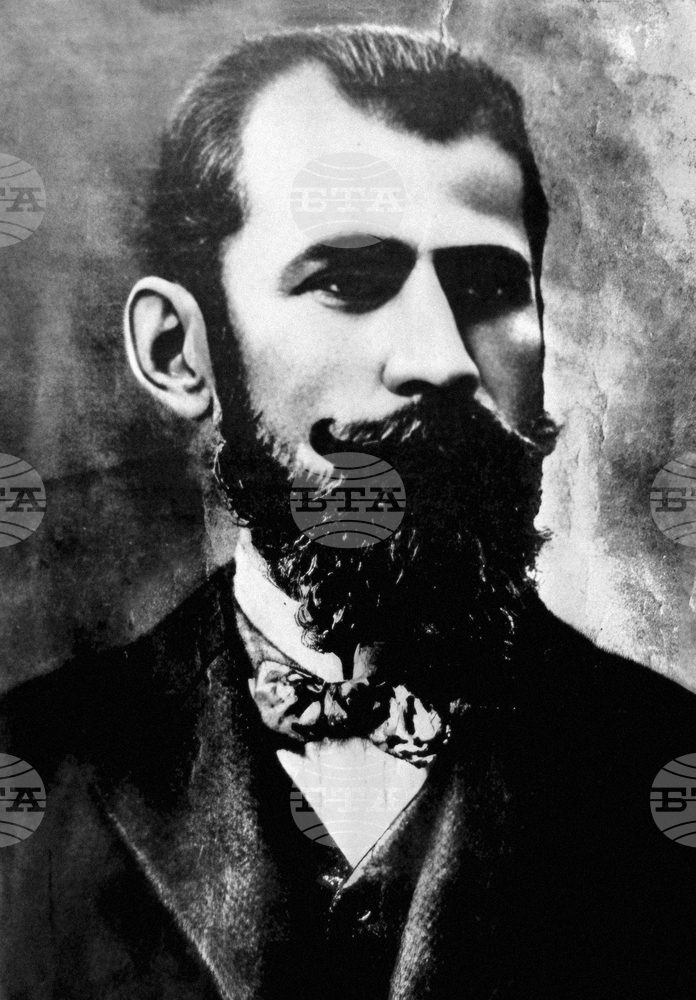
January 19, 2026 marks 155 years since the birth of Dame Gruev (1871–1906), a revolutionary and an activist in the movement for liberation of Vardar Macedonia and Eastern Thrace from Ottoman rule in the early 20th century.
Damyan Gruev (better known by the diminutive Dame) was born in the village of Smilevo, near Bitola, on January 19, 1871. After studying in his native village, in Resen and in Bitola, he attended the Bulgarian Boys' High School in Salonika and pursued higher education in Belgrade. While in the Serbian capital, he was exposed to aggressive propaganda and attempts to promote a Serbian identity among the population of Vardar Macedonia. He then left for Sofia to enroll in the newly established Higher School (now Sofia University) to study history. There, alongside other young people from Macedonia, he became familiar with the ideas of Bulgarian revolutionaries such as Vasil Levski, Hristo Botev and Georgi Benkovski. He read Zahari Stoyanov's Notes on the Bulgarian Uprisings and conceived the idea of fighting for the liberation of Macedonia.
Gruev worked as a teacher at Bulgarian schools in Smilevo (1891–1892) and Prilep (1892–1893). From 1893 onwards, he worked as a proofreader at a Bulgarian printing house in Salonika. He was among the founders of the Internal Macedonian-Adrianopolitan Revolutionary Organisation (IMARO) on October 23, 1893. In the words of the founders, the goal of the organization was "autonomy for Macedonia and the Adrianople area within their natural borders " and "future accession to Bulgaria".
During the summer of 1894, he travelled to Shtip, Negotino, Kavadarci, Prilep, Bitola, Resen, Ohrid, Struga and other settlements in Macedonia, establishing the first revolutionary committees outside Salonika. He taught at the Bulgarian school in Shtip from 1894 to 1895 and served as a school inspector in the Salonika region from 1895 to 1897. He was interned in the region of Bitola in 1898. During his time there, he concurrently taught at the local Bulgarian school and headed the Bitola District Revolutionary Committee.
In 1902, Dame Gruev was detained and sent to the Bodrum Kale Prison in Asia Minor. After his release in 1903, Gruev joined the preparations for the upcoming Ilinden-Preobrazhenie Uprising. In that year, he chaired the Smilevo Congress of IMARO's Bitola District, at which he was elected to the General Staff of the uprising. He actively participated in the rebellion and managed to see his native land liberated, albeit briefly. Unlike many others, Gruev remained in Macedonia after the bloody suppression of the uprising to share the fate of the thousands of victims and continue encouraging the local population to resist the Ottoman authorities and defend themselves against intensifying Serbian propaganda.
On December 23, 1906, while passing through the village of Rusinovo, Gruev and his detachment were ambushed. In the ensuing skirmish with Ottoman troops, he was wounded and later in the day died near the Petlets Peak (Maleshevo Mountain, now in North Macedonia).
/LG/
Additional

news.modal.image.header
news.modal.image.text
news.modal.download.header
news.modal.download.text
news.modal.header
news.modal.text