site.btaShelter, Rapid Response and Choice: How Sofia Supports People Without a Home
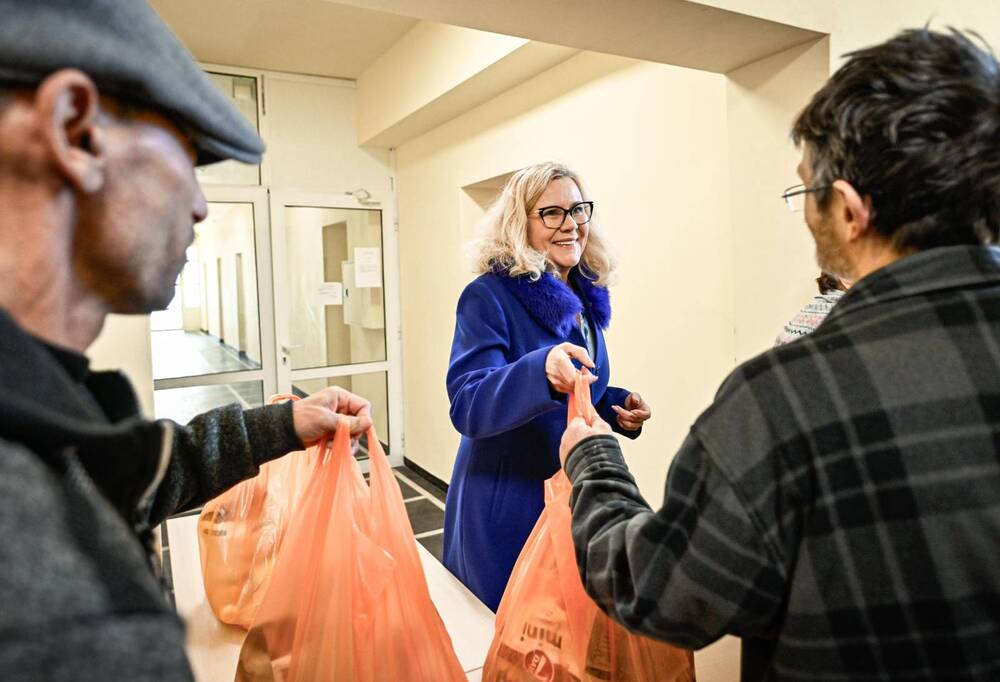
Three temporary accommodation centres with a total capacity of 510 places provide year-round shelter for people without a home in Sofia, Deputy Mayor for Social Activities and Integration of People with Disabilities Nadezhda Bacheva said in an interview with BTA on Tuesday.
Bacheva added that demand rises in the winter months, requiring constant organization and rapid response to prevent risks to people’s life and health.
Organization and response as demand for shelter rises
The temporary accommodation centres operate year-round, with occupancy levels and residents’ wellbeing monitored daily. When demand increases, the city explores alternative options as part of the municipality’s long-term policy to provide shelter for people in vulnerable situations.
A single call can make all the difference
Citizens, public institutions, non-governmental organizations, and the police can report individuals in need. Upon receiving a report, a mobile team is dispatched to the site to conduct an interview and assess the situation.
Citizens can call 0889 301 054, available 24/7, 02/803 59 25 at the Social Services Directorate, or 112 in emergencies. “A prompt call often prevents serious consequences,” Bacheva said.
Mobile teams and 24/7 response
If the person consents, transport to a temporary accommodation centre is arranged; if their health worsens, they are transferred to an appropriate medical facility. The service operates 24/7, enabling rapid emergency response, particularly during periods of low temperatures.
There is no “typical case”; each situation is evaluated on its own merits.
The assessment of whether accommodation is needed is conducted by social workers in the field and is always made on a case-by-case basis. There is no standard profile or simple formula. Every situation is different and requires time, dialogue, and professional judgement. The assessment takes into account social circumstances, health, age, immediate risk, and weather conditions.
It is important to note that, under the law, the decision to use a social service rests with the individual, except in cases of full legal incapacity, Bacheva said. This is a principle the municipality upholds. The role of the services is to inform and explain, present options, and press the matter when there is a genuine risk to life and health, she added.
The right to choose remains a fundamental guiding principle
People have the right to refuse, and this happens relatively often, Bacheva said. She added that this is one of the most difficult aspects of social work: sometimes there is a real risk, yet staff must still respect the person’s decision. She explains that refusals are recorded in accordance with established procedures, but contact is not discontinued. Those who decline accommodation continue to be referred to food and hot-drink distribution points, as well as to medical assistance when needed. Working with them is a process that requires time, consistency, and persistence.
Why some people decline shelter
The reasons differ and are always personal. Some people have lived on the streets for a long time and have developed survival strategies and routines that are difficult to change. Others face physical or mental health challenges, substance use disorders, or a loss of trust in institutions.
These problems cannot be solved with a one-off measure. They require long-term work, patience, and ongoing engagement. That is why the approach is not pressure, but consistency: being present, talking, and offering support again and again, Bacheva said.
More than just a bed and warmth
Temporary accommodation centres are more than just a place to sleep. They are staffed by teams of social workers, psychologists, and other specialists who provide support tailored to each person’s needs. Residents can receive assistance with medical examinations and treatment, obtaining identity documents, guidance on social entitlements, and preparation for entering the labour market. For older people and people with disabilities, appropriate long-term care and support services are arranged. The goal is to stabilize each person’s circumstances and create real opportunities for sustainable, long-term change.
From a crisis measure to a longer-term solution
A stay in a temporary accommodation centre is the first step toward stabilization and finding a more sustainable solution. Sofia Municipality works with non-governmental organizations and social services to support people after they leave the centres, including with job searches, income stabilization, and social reintegration. Without this follow-up support, the risk of returning to the streets remains high. That is why the policy focuses not only on crisis response, but also on long-term inclusion, Bacheva said.
Moving forward: sustainable solutions and shared responsibility
In the long term, the municipality is also considering the construction of social housing. Bacheva noted that this is a complex process that requires time, suitable land, and funding, but it is part of the municipality’s vision for more sustainable solutions. She urged people not to remain indifferent. The most important thing they can do is report someone in need. A timely call allows outreach teams to respond quickly and provide assistance. This is a practical way for citizens to be part of the solution and help make the city more compassionate and responsible.
/KT/

news.modal.header
news.modal.text