site.btaLegal Affairs Committee Debates Election Code Amendments at Second Reading during Session Lasting Over 13 Hours
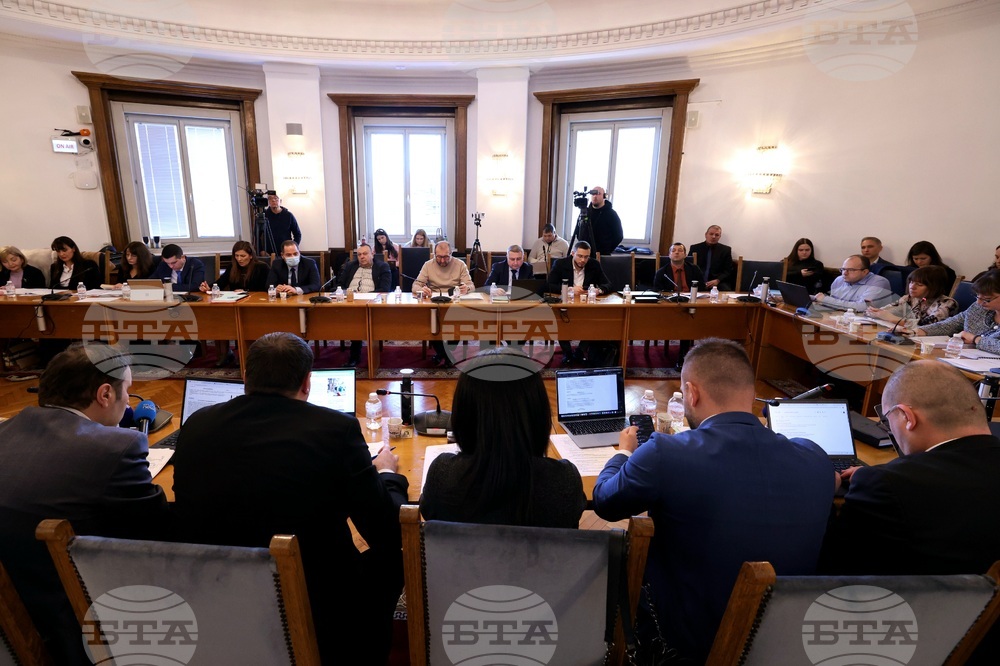
Parliamentary Committee on Constitutional and Legal Affairs debated at second reading the draft amendments to the Election Code during a session that lasted more than thirteen hours, starting on January 20 and finishing in the early hours of January 21. Lawmakers rejected a proposal by BSP - United Left for optical ballot-scanning devices to be introduced as of January 1, 2027, and voted instead for the law to enter into force upon its publication in the State Gazette.
Lawmakers supported a proposal by GERB-UDF that, in the event optical devices cannot be provided for the next parliamentary elections, the elections should be held under provisions of the Election Code in force prior to adoption of the amendments.
The Committee also backed a proposal by There Is Such a People (TISP) under which, within one month of the law’s entry into force, Council of Ministers must take steps to ensure procurement of ballot scanners.
On Tuesday afternoon, another extraordinary meeting of the Committee began in connection with the Election Code amendments. The changes are mainly related to introduction of optical devices for scanning ballots, preparation of voter lists based on National Statistical Institute data from most recent population census, and the possibility of opening up to 20 polling stations outside diplomatic and consular missions of Bulgaria in countries outside the European Union.
The MPs first debated proposed changes, while article-by-article voting began after midnight. Shortly beforehand, Nadejda Iordanova of Continue the Change - Democratic Bulgaria commented that debate had taken place with almost no exchange of arguments, noting that the majority behind amendments listened to the opposition patiently, sometimes with annoyance, but mostly remained silent. "There will be repair after repair of this Election Code," she added. Iordanova also said that the working group behind draft law was a "phantom".
Representatives of Vazrazhdane repeatedly stated that the working group was anonymous and that it was unclear who stood behind specific amendment proposals. Before voting began, they called for the session to continue during daylight hours, but proposal was rejected by the majority. "As a sign of protest, we are leaving and will no longer take part in this farce," said Zlatan Zlatanov, after which members of his parliamentary group left the meeting.
At second reading, the Committee largely adopted the proposals of the working group, as well as some individual editorial proposals from TISP, BSP - United Left, and GERB-UDF. It was voted that new devices and their software should be state property, to be acquired and managed by Information Services AD, while the Central Election Commission will organize and approve conformity certification and grant permission for use of devices and their software. Requirements that optical ballot-scanning devices must meet were also approved.
Draft amendments to the Election Code are to be debated at second reading in the plenary hall.
/YV/
news.modal.header
news.modal.text