site.btaOutdated Systems, Not Cyberattack, Behind Greek Airspace Shutdown, Civil Aviation Chief Resigns
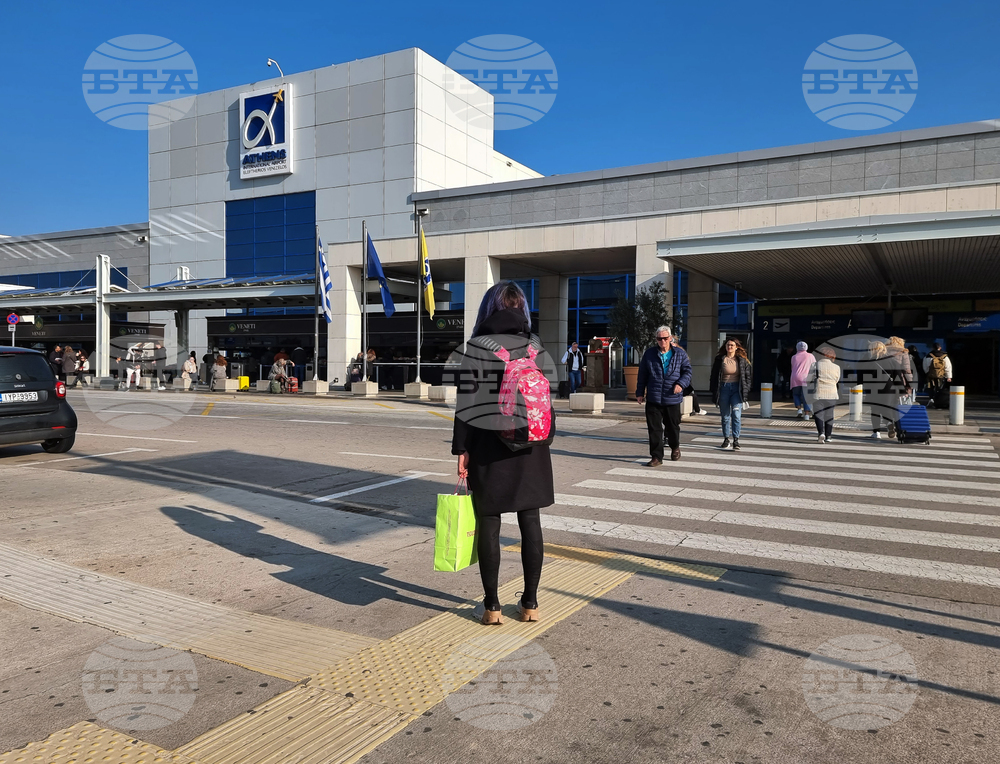
Outdated and poorly maintained communication systems - not foreign interference or a cyberattack - were responsible for the temporary shutdown of Greek airspace on January 4, according to the findings of a special investigative commission, Greek daily Proto Thema reported.
The report concludes that failures in obsolete technological systems caused an eight-hour breakdown in radio communications between air traffic controllers and aircraft. The systems involved are no longer supported by their manufacturers and lack modern monitoring and diagnostic tools, significantly increasing the risk of similar incidents. The report also warns that delays in transitioning to modern digital communication infrastructure heighten the likelihood of a recurrence.
EUROCONTROL, the European organization for aviation safety, is expected to appoint a technical adviser to help accelerate the modernization of Greece’s air navigation systems, according to the same report.
Air traffic controllers view the findings as confirmation of their long-standing complaints about outdated equipment and insufficient safety guarantees, Proto Thema added. The investigative commission determined that the large-scale failure was triggered by malfunctions in aging systems that are no longer maintained and lack contemporary fault-monitoring capabilities.
Shortly before 9:00 a.m. local time on January 4, controllers began detecting intense and persistent “digital noise” on frequencies used to communicate with aircraft, Proto Thema reported. Communication with planes, control centers, and airports became extremely difficult or impossible, including on backup and emergency frequencies—creating what the outlet described as an unprecedented situation.
For safety reasons, authorities suspended all departures and imposed “zero capacity” in Greek airspace. Dozens of aircraft already airborne were handled under special emergency procedures. Despite the seriousness of the incident, the report found no events posing an immediate threat to flight safety, attributing this to the timely response of controllers and flight crews.
The commission explicitly ruled out a cyberattack or deliberate interference, stating that inspections found no evidence of unauthorized access or external signal transmission, and that all indications point to a technical failure, Proto Thema reported.
Following the release of the report, the head of Greece’s Civil Aviation Authority, Giorgos Saounatsos, submitted his resignation, local media reported. Earlier, Transport and Infrastructure Minister Christos Dimas had requested his resignation, which was subsequently accepted.
Greek public broadcaster ERT reported that Deputy Civil Aviation Authority head Giorgos Vagenas will temporarily assume the role, while procedures to appoint a new chief are launched. According to ERT, the five-member government-appointed investigative commission said the precise technical cause of the outage remains unclear, but noted that the incident occurred after several systems lost synchronization, leading to a collapse in communications between control towers and aircraft.
/NF/
news.modal.header
news.modal.text