site.btaSofia Calls for Faster Bulgaria - Greece Connectivity and Strategic Project Coordination
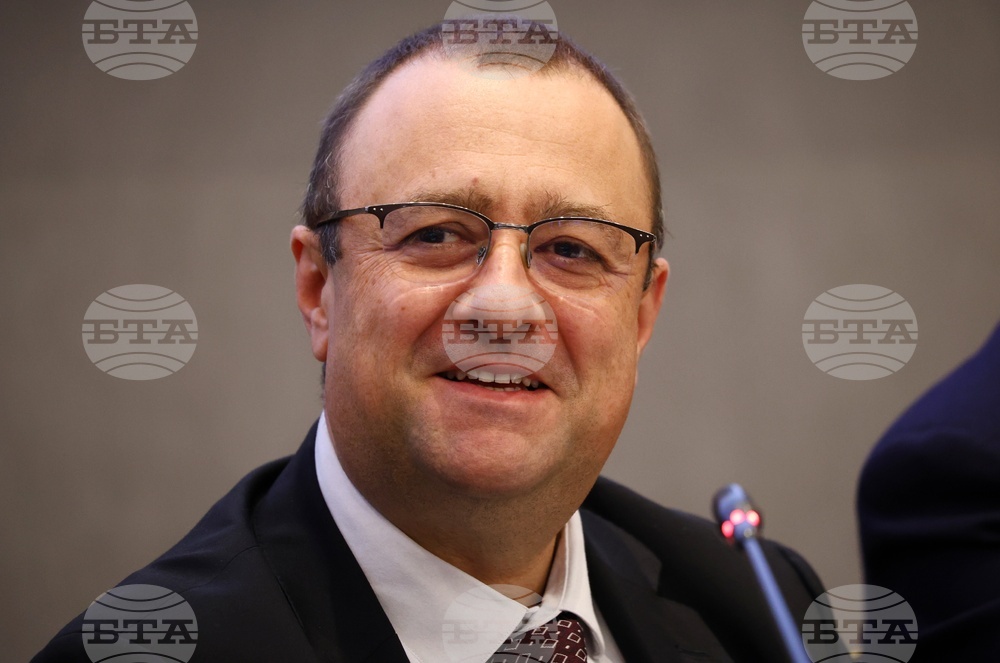
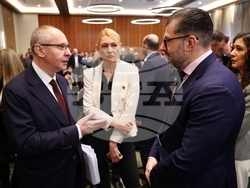
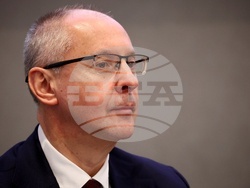
Bulgaria and Greece should step up cooperation on infrastructure development, better coordinate strategic projects, and fully utilize available European funding in order to boost connectivity, investment, and regional growth, Bulgaria’s outgoing Minister of Regional Development and Public Works, Ivan Ivanov, said at a bilateral forum in Sofia on Tuesday.
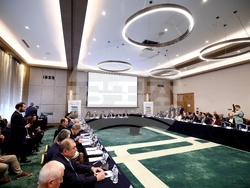
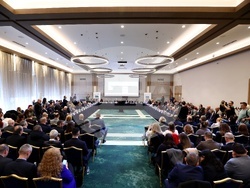
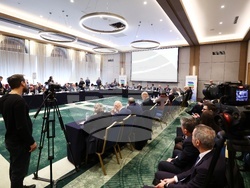
"Continuing the accelerated modernization of infrastructure, improving coordination on strategic projects, and making the most effective use of European funding is a shared responsibility and in the common interest of both countries," Ivanov said at the opening of a bilateral meeting of representatives of manufacturing and business organizations, ports, local authorities, universities, and companies from Bulgaria and Greece.
The forum is being held at the Sofia Balkan Palace Hotel.
According to the minister, such meetings give real substance to bilateral relations, as they are the point where policies are transformed into investments, projects, and jobs.
“Strategic cooperation between Bulgaria and Greece has deep historical roots, and today it represents a conscious political choice to develop a partnership between two neighbouring EU member states that share common economic interests and regional responsibility,” Ivanov said. He added that this cooperation must continue to deepen through joint efforts, particularly in the context of current geopolitical and economic challenges.
Ivanov stressed that proximity between the two countries is not merely geographical but a prerequisite for shared growth. At a time of increasing competition between European regions, Southeast European countries must act in a coordinated manner rather than individually, he said.
He underlined that strengthening ties through the development of road infrastructure and connectivity is essential, alongside investment in education, innovation, and entrepreneurship as key drivers of economic growth across the region.
Ivanov noted that in recent years Bulgaria has consistently invested in developing North–South connectivity. The direct motorway link with Greece via the Struma Motorway, although still unfinished, together with the connecting infrastructure to border crossings, has significantly reduced travel times, improved safety, and facilitated trade. At the same time, work continues on modernising routes through Makaza, Zlatograd, and Ilinden, which are of key importance for the development of the Rhodope region and Northern Greece.
The minister said that road infrastructure development between Bulgaria and Greece is part of the European transport network and broader efforts to build sustainable logistics corridors linking Central Europe, the Balkans, and the Mediterranean. In this context, he highlighted the memorandum on the development of the Black Sea–Aegean Sea corridor, signed by Bulgaria, Greece, and Romania at the end of last year. Connectivity between the Black Sea and the Aegean Sea is not merely a transport issue but a strategic factor for the competitiveness of the Balkans, regional economic integration, and improved quality of life on both sides of the border, he said.
Ivanov also recalled that in January this year the Rudozem–Xanthi border crossing was officially opened, along with new road sections on both sides of the border. He described the project as a concrete result of joint efforts and a new boost to strategic connectivity.
He added that cooperation with Greece under EU cross-border programmes is another key pillar for infrastructure improvement, trust-building, and the creation of a shared development vision. Ivanov referred specifically to the INTERREG programme between the two countries, which supports projects in public services, tourism, and the green transition. Nearly 80% of the programme’s budget has already been activated, he said.
According to the minister, with joint efforts and strong partnership, implementation can be further accelerated. He stressed the importance of contracting the full financial resource of nearly €84 million to achieve tangible results not only for municipalities and businesses, but also for citizens.
Ivanov concluded that when all stakeholders work together, bilateral relations can move beyond good neighbourliness toward genuine economic integration - laying the foundation for a more connected, competitive, and prosperous Southeast Europe.
/MR/
Additional






news.modal.image.header
news.modal.image.text
news.modal.download.header
news.modal.download.text
news.modal.header
news.modal.text