site.btaSerbian Border Blockade Halts Cargo Trucks at Crossings with Bulgaria
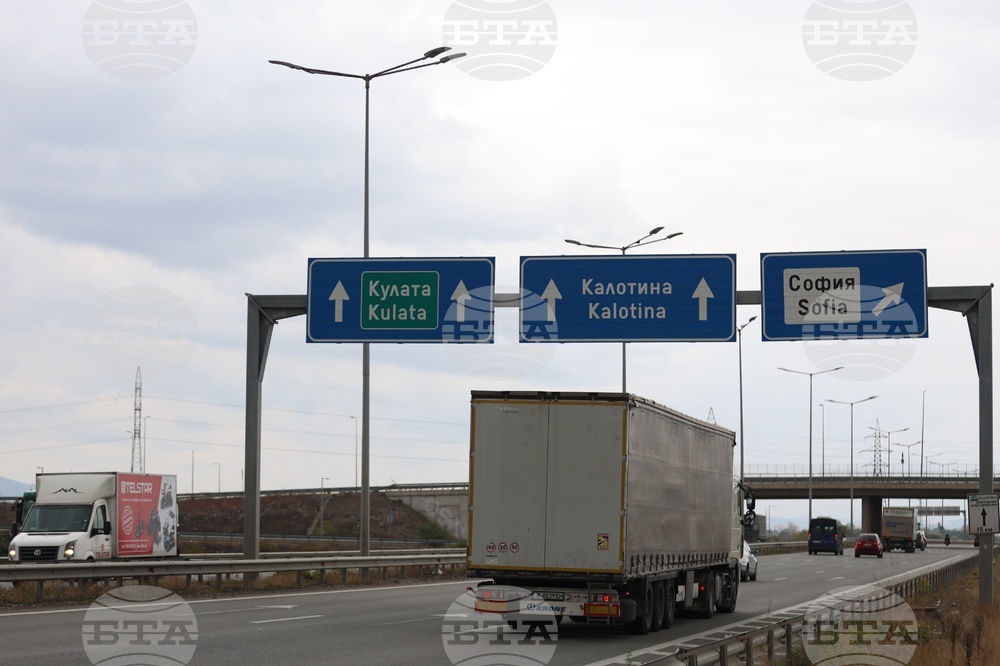
Cargo trucks are not allowed to enter Serbian territory at any border crossing point with Bulgaria, the General Directorate Border Police said on its website on Friday. Cars and buses continue to pass in both directions, after Serbian border authorities said Serbian lorry drivers are blocking cargo terminals at crossings towards the Schengen area.
Since Thursday evening, cars, cargo trucks and buses have been crossing the border with the Republic of North Macedonia without restrictions.
At the border with Greece, passenger cars and minibuses with a gross vehicle weight of up to 3.5 tonnes have been permitted to cross via the Rudozem border checkpoint since 20 January. Vehicles up to 3.5 tonnes can also pass through the Zlatograd, Makaza and Ivaylovgrad checkpoints. At the Kulata, Ilinden and Kapitan Petko Voyvoda checkpoints, passenger cars, buses and freight trucks are crossing.
Traffic is normal at all border checkpoints with Turkiye and at all border crossings with Romania.
A late-January 2026 wave of road hauliers’ protests in the Western Balkans spilled over into disruptions at border crossings with neighbouring Schengen countries, including Bulgaria. The action was driven by carriers from Serbia, Montenegro, Bosnia and Herzegovina and the Republic of North Macedonia who objected to the Entry/Exit System-related enforcement of the 90/180-day Schengen stay limit for professional drivers, warning it would hamper operations once stricter controls begin on April 10.
On January 26, North Macedonia’s Interior Ministry said freight traffic would be blocked at several crossings, including those on its border with Bulgaria (Deve Bair, Delchevo and Novo Selo), while passenger traffic would continue. Later that day, Bulgarian police reported temporary restrictions on heavy vehicles over 3.5 tonnes entering Bulgaria through the Gyueshevo crossing point.
By January 27, the Bulgarian Border Police said all freight traffic was fully closed at the North Macedonia crossings mentioned above, and heavy goods vehicle traffic leaving Serbia was blocked at Kalotina, Strezimirovci and Vrashka Chuka. The Bulgarian Foreign Ministry warned of possible tailbacks around checkpoints and advised Bulgarian hauliers to avoid travel to and from Serbia, Bosnia and Herzegovina, Montenegro and North Macedonia in the following days, urging route planning where necessary.
Outgoing Minister of Transport and Communications Grozdan Karadjov said the blockades would bring very large economic losses, not only for the transport sector but for supply-dependent industries across the region, and argued the issue should be addressed through dialogue with EU institutions. The European Commission said the system does not change long-standing Schengen stay rules but acknowledged the practical difficulties for groups such as truck drivers, and said work on a visa strategy was under way. On January 29, North Macedonia’s MAKAM-TRANS said it was lifting the blockades after news from Brussels on a new visa approach, and Bulgarian police confirmed the protests had ended at all crossings on the Bulgaria-North Macedonia border.
/КТ/
news.modal.header
news.modal.text