site.btaForegone Revenue from Forced Shutdowns of Kozloduy NPP Unit 6 Amounts to BGN 18 Mln, CEO Says
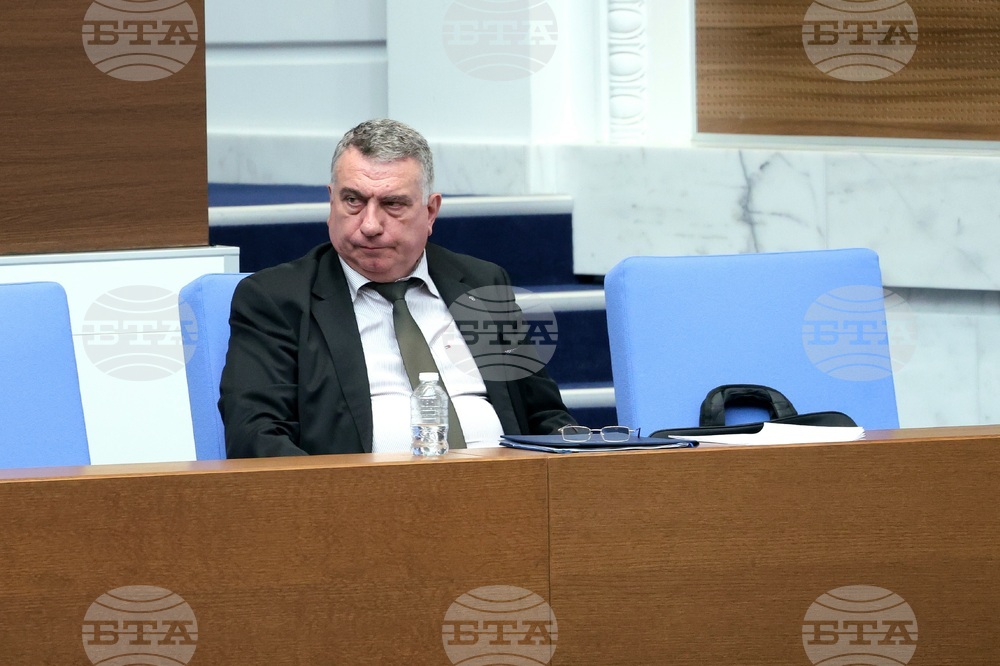
The foregone revenue from ungenerated electricity due to two forced shutdowns of Unit 6 at the Kozloduy nuclear power plant in December 2025 and February 2026 will amount to BGN 18 million, and this should not be described as losses, said the plant’s Chief Executive Director Ivan Andreev on Thursday during a hearing in the National Assembly.
Andreev provided information in connection with a parliamentary motion concerning “potential violations of regulatory and legal requirements related to changes in design equipment and the use of non-certified components at Kozloduy NPP, which led to the need for three emergency shutdowns of Unit 6, creating risks to the energy and national security of the Republic of Bulgaria and losses of tens of millions of euros”. The motion was submitted by MPs from the Vazrazhdane parliamentary group. The hearing was also attended by Bulgarian Nuclear Regulatory Agency (BNRA) Chair Tsanko Bachiyski.
Andreev explained that part of the missed revenue would be offset by rescheduling and extending the date of the unit’s annual planned outage (refuelling and maintenance).
According to Andreev, the decision to apply an alternative technical solution – in this case, sets of rupture (membrane) safety devices – was taken because of difficulties in supplying the original equipment from Russia. The most recent contract for the supply of such devices with a Russian company was signed on October 29, 2024 following a public procurement procedure, with a supply-time of nine months. In the summer of 2025, the contractor informed Kozloduy NPP that it was seeking an extension of the deadline together with a 14% price increase. The delay, Andreev said, was due to supply problems caused by sanctions against Russia, while the higher price reflected inflation in Russia. The contract was subsequently terminated at the end of August 2025 by mutual consent, without penalties or claims, because the contractor was unable to fulfil its obligations.
He added that the last delivery of Russian rupture device sets had taken place in 2016, and that such equipment is replaced on a four-year cycle.
As a result, a technical solution was developed for the implementation of alternative technologies, and an impact assessment was prepared, Andreev said. The alternative equipment was supplied by Atomenergoremont, and tests were conducted prior to installation.
Andreev said that in this specific case, approval and regulatory oversight by the Nuclear Regulatory Agency were not required. He emphasized that the leading priority in the operation of the nuclear units remained strict compliance with nuclear safety requirements.
On February 14, the plant announced that Unit 6 was to be shut down in order to replace a defective rupture safety device on the turbine’s moisture separator reheater, which is located in the conventional (non-nuclear) part of the unit. Earlier, on 24 December 2025, Unit 6 had been synchronized back to the grid after being shut down due to a failure of a similar rupture safety device on the turbine’s moisture separator reheater.
/ry/
news.modal.header
news.modal.text