site.btaReport on Bulgaria's Bird Species: 28% Growing in Number, 27% Shrinking, 22% Stable in 2005-2025
A report on the changes in the populations of 82 bird species in Bulgaria in the 2005-2025 period shows that 27% of the species are declining, 22% are stable, 28% are increasing, and 23% are undetermined. The overall bird index in the country declined by 12% for the entire period. The data, collected by the Bulgarian Society for the Protection of Birds (BSPB), was presented here on Friday.
Yordan Hristov of BSPB said that the populations of farmland birds are declining at the fastest rate among bird species in Bulgaria, falling by 41% since 2005. Among the farmland bird species observed are the black-headed bunting, corn bunting, Eurasian skylark, grey bunting, and quail. This negative trend of declining bird populations associated with agricultural land is also confirmed by other countries and is valid for the whole of Europe, Hristov noted.
The largest number of species with an upward population trend has been found among forest birds. These include species such as the great tit, green woodpecker, middle spotted woodpecker, Eurasian nuthatch, great spotted woodpecker, and song thrush, Hristov said.
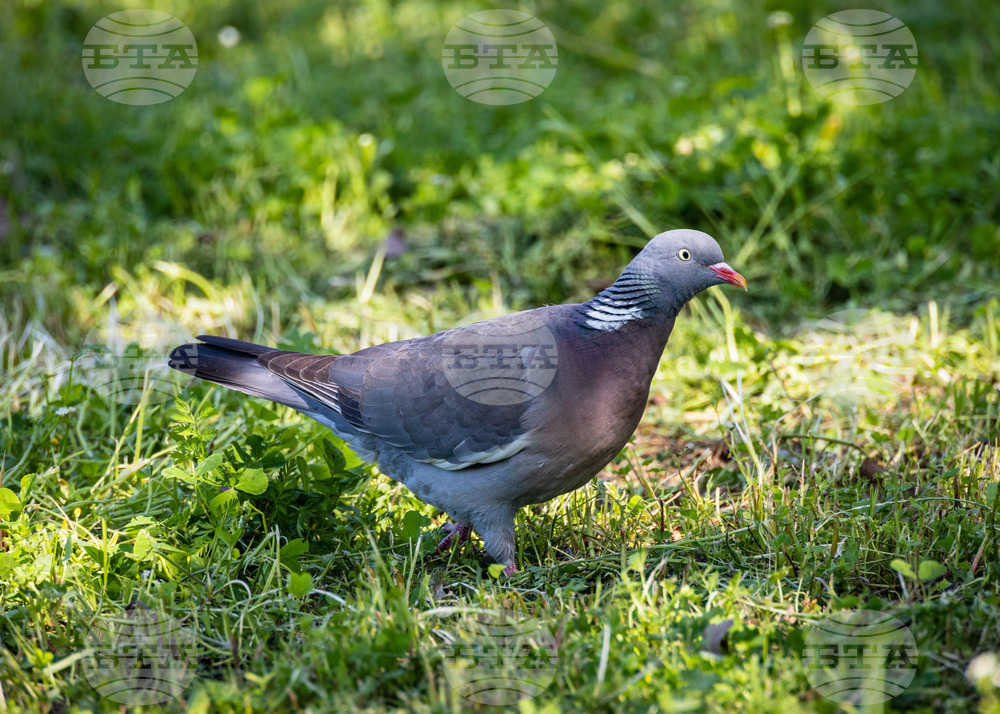
Among the populations with an upward trend, the most notable growth was observed in the common wood pigeon (over 1300%), pheasant (over 320%), and partridge (over 200%).
The three species with the sharpest population decline are the corn bunting (-98%), the grey wagtail (-92%) and the rook (-90%). Other rapidly declining species are the thick-billed lark (-86%), the quail (-74%), the grey bunting (-68%), and the house sparrow (-50%).
The turtle dove, cuckoo, jay, and common chaffinch show a stable trend.
Species whose trends vary widely over the reporting period, for which the methodology is not suitable and does not reflect their activity in nesting sites, are classified as having an uncertain trend. This group also includes some waterfowl and birds from populated areas, for which more data needs to be collected.
Insectivorous bird species are declining at a faster rate than granivorous species, the study also shows.
Among the main reasons for the decline of some species in their nesting areas are the removal of shrubs, the use of pesticides, and the plowing of pastures and meadows, which are their main habitats.
Drastic changes in agricultural practices are needed to ensure the preservation of agricultural land, according to the report.
In 2025, a total of 134 squares were monitored, which is the highest number since 2006. This year, the BSPB had 80 new monitoring sites - these are sites in poorly studied areas such as Southwestern Bulgaria, Ludogorie, North Central Bulgaria, the Thracian Plain, and Northeastern Bulgaria, Hristov noted.
/DS/
news.modal.header
news.modal.text