BTA interview
![Aleksandrovska Hospital Achieves 100% Kidney Transplant Success Rate in 2025]()
![Aleksandrovska Hospital Achieves 100% Kidney Transplant Success Rate in 2025]() Professor Marincho Georgiev, head of the Urology Clinic at Aleksandrovska Hospital in Sofia (photo from the professor's private archive)
Professor Marincho Georgiev, head of the Urology Clinic at Aleksandrovska Hospital in Sofia (photo from the professor's private archive)
site.btaAleksandrovska Hospital Achieves 100% Kidney Transplant Success Rate in 2025
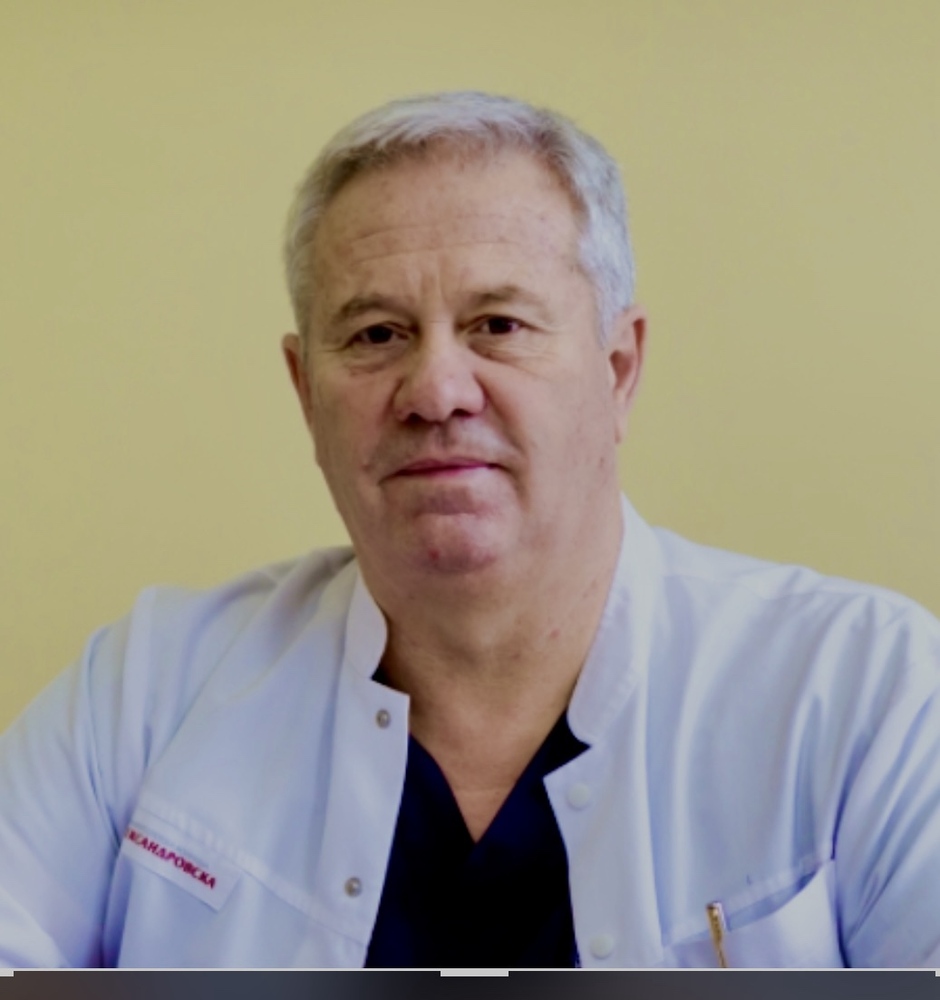
The success rate of kidney transplants performed at Sofia’s Aleksandrovska Hospital this year is 100%, according to Professor Marincho Georgiev, head of the Urology Clinic at Aleksandrovska Hospital, chair of the Department of Urology at the Medical University of Sofia, president of the Bulgarian Urological Society, and chair of the Expert Council on Urology at the Ministry of Health.
Interviewed by BTA, Georgiev said that kidney transplants have been performed in Bulgaria since 1969, with the first carried out on a child at Pirogov Hospital, shortly followed by a transplant at Aleksandrovska Hospital. Bulgaria was the first Balkan country to perform kidney transplantation over half a century ago, he added. In previous years, the country carried out nearly 100 kidney transplants annually, but the numbers have decreased significantly in recent years, and the process has slowed. “There are many reasons for this, but transplants continue to be performed,” he said.
In 2025, Aleksandrovska Hospital has conducted 14 kidney transplants, six from deceased donors and two from living donors who donated an organ to a close relative — a parent, brother, or sister. All patients are alive, and the transplanted kidneys are functioning. None of the recipients are on dialysis, and their renal function has been fully restored.
How transplant success is measured
Success is measured annually after transplantation, with mortality rates assessed first — how many patients have died. The most common cause of death among these patients is cardiovascular complications, as patients who have been on long-term dialysis often develop changes in the cardiovascular system, which can result in heart attack, stroke, or pulmonary embolism, the professor explained. Another major cause of death is infections. “Even in the most advanced countries with far larger budgets, infections remain the second leading cause of death among transplant patients. Hospital-acquired infections exist everywhere, but it is often overlooked that these patients are immunosuppressed, which makes them highly vulnerable not only in hospitals,” Professor Georgiev noted. He emphasised that patients are instructed to take special precautions, attend follow-ups, and remain under supervision. The survival rate of patients in the first year after transplantation is 100%.
Another critical factor is subsequent hospitalization. Patients discharged after transplantation may need readmission due to complications such as infections, vascular or ureter-bladder connection issues. The technical execution of the transplant must be of the highest standard to prevent patients returning for revision surgery, as each reoperation significantly increases the risk of infection, complications, and potential organ rejection.
Regarding organ rejection, despite immunosuppression and pre-transplant compatibility testing, Prof. Georgiev noted that a small number of patients may experience it. These are individual cases, dependent on the body’s specific immunological response to the transplant, and in rare cases the transplanted organ may provoke immune reactions in the patient.
Another important measure is how long after transplantation the kidney remains functional, without requiring dialysis, and without severe renal impairment affecting quality of life or requiring special treatment. The longest survival recorded at Aleksandrovska Hospital exceeds 20 years, Georgiev added.
Infections in urology and surgical clinics: a major challenge
“Infection control is very difficult, especially in clinics like ours, which is the largest in the country with 70 beds. We receive patients with complex conditions from across Bulgaria, and the larger the clinic and the more diverse the pathology, the higher the risk of hospital-acquired infections,” the professor explained. Planned patients undergo microbiological testing before admission to determine if they already carry infections. Over the past 4–5 years, Klebsiella infections have increasingly appeared in the community, not just hospitals. Emergency patients often arrive in poor condition, with low hygiene, and sometimes without relatives, which increases infection risk. Immediate treatment is started, and during care, bacteria are identified and addressed. These challenges exist worldwide. On average, 4,170 patients pass through the Urology Clinic annually, and the high patient volume and varied pathologies increase the risk.
Spending on disinfectants doubles each year. All consumables used are single-use, which helps combat infections. Adherence to antiseptic protocols among staff is critical. The hospital has proposed a new clinical pathway for treating urinary tract infections, which are an increasing problem and require adequate funding. The latest antibiotics are very expensive, with treatment courses averaging seven days, and the financial resources are currently not reimbursed by the National Health Insurance Fund. The clinical pathway will likely include treatment for infections in paediatric and adult surgery, Professor Georgiev noted.
Post-transplant follow-up care
Monitoring patients after transplantation is crucial for survival. Transplanted patients are enrolled in outpatient follow-up, and strict patient participation is vital — adhering to hygiene and dietary regimes, attending check-ups, self-monitoring, and seeking medical attention promptly when needed. Delays in seeking help can be dangerous, Professor Georgiev emphasised.
Care for Bulgarian patients transplanted abroad
“In recent years, many Bulgarian patients have sought treatment abroad — a matter of personal choice, but it carries risks, including financial ones. I hear of costs ranging from EUR 30,000 to 50,000, whereas in Bulgaria it is free of charge. Currently, we have a patient transplanted in Pakistan who developed a severe complication and is scheduled for surgery tomorrow. On average, we admit 3–4 patients per year with severe, sometimes life-threatening complications from abroad, including Pakistan and Turkiye. Patients choose these countries via intermediary companies in Bulgaria. After complications arise, they often arrive late, at a stage where life-saving interventions are needed. Successful transplants are carried out in Bulgaria without any patient charges, including for those who return from abroad,” Prof. Georgiev concluded.
/RD/
news.modal.header
news.modal.text