site.btaNational Bank Governor Radev: ECB Rates Stay Appropriate as Inflation Returns to 2%
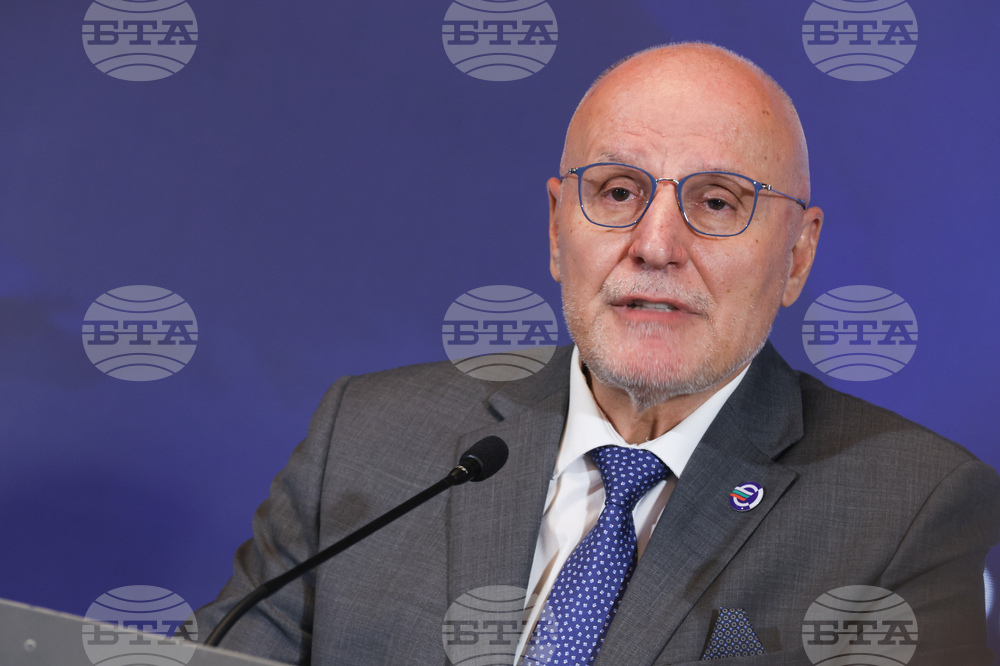
The European Central Bank’s current key interest rates are appropriate for returning inflation to the 2% target over the medium term, Bulgarian National Bank (BNB) Governor Dimitar Radev said in an interview posted on the BNB website on Monday.
Radev, a member of the ECB Governing Council, spoke to Econostream Media and added that a change in the monetary-policy stance would require a clear and material shift in the inflation outlook.
On the upside, such a shift would involve evidence of entrenched inflation persistence, particularly in services inflation and wage dynamics, together with indications that domestic price pressures were not easing as projected, Radev said.
On the downside, a change in stance would require sustained and broad-based confirmation that underlying inflation was durably converging below the 2% target across components, reflecting easing domestic cost pressures and weaker-than-expected demand, he added.
Compared with earlier phases of the disinflation process, risks now appeared more balanced, although uncertainty remained elevated, Radev said. Upside risks were primarily domestic in nature, especially the persistence of services inflation, wage developments, and the interaction between wages and profit margins, he said.
Downside risks were mainly related to weaker-than-expected economic activity and tighter financing conditions. At this stage, developments in services inflation remained central to the overall assessment, he added.
Asked whether he was comfortable with market expectations that the next policy move could be a rate hike, Radev said he would not comment on or seek to validate specific market expectations. He added that decisions were guided by the data and by the ECB’s analytical framework.
Monetary-policy rates would be set at a level consistent with ensuring that inflation returns to target in a timely manner and stays there, and would be adjusted if the inflation outlook were to change materially, he said.
It would not be appropriate to pre-commit to a particular policy path for 2026, Radev said when asked for his view on a rate increase that year. If the inflation outlook were to deteriorate materially, especially through more pronounced persistence in services inflation and wage dynamics, all options would need to remain on the table, he said.
Conversely, if disinflation continues to broaden and becomes firmly embedded in underlying measures, that would point in the opposite direction, he added.
Radev summed up by saying that the policy path will be determined by the evolution of the inflation outlook and the strength of monetary transmission.
/MR/
news.modal.header
news.modal.text