site.btaNomadic Hives and Homemade Vinegar: How a Family Farm Embraces Tradition and Quality
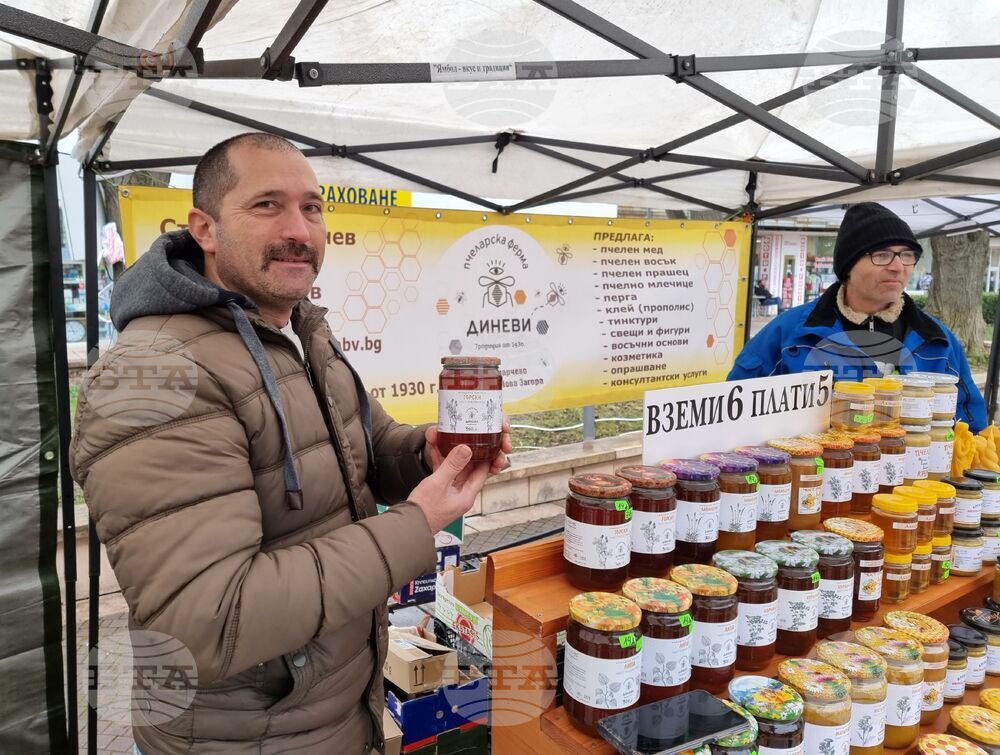
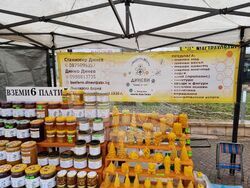
To offer a wide range of organic honey, two brothers from the village of Omarchevo near Nova Zagora are developing nomadic beekeeping. The family farm of Stanimir and Dinko Dinev maintains over 450 hives, some of which are moved according to the flowering of plants across three regions in the south of Bulgaria: Stara Zagora, Yambol and Sliven. “We are also reviving the tradition of producing homemade vinegar from apples, cornelian cherries, rose hips, elderberries and figs,” the brothers told BTA during their participation in a regional farmers’ and artisans’ fair in Yambol.
“Honey production and beekeeping are a family tradition inherited from our great-grandmother,” said Stanimir. “Back in 1930, she received her first hive – of the simple type known as a ‘travna’, made from woven willow or hazel twigs. To earn it, she worked as a farmhand all summer. In the end, she was only given a hollow ‘travna’, without the lower part containing the honeycomb. But that was the beginning – she succeeded, and we are proud of all the generations that have carried on this craft,” the producer added.
Today, the two brothers, together with their father, tend hundreds of hives, some of which are stationary in the villages of Omartchevo and Dyadovo. “The others we move to catch different nectar flows. First comes the rapeseed, then the acacia, then coriander. We also move the bees to the Gurkovo area and to the southern slopes of the Balkan Range near the village of Nova Mahala. There we harvest our forest honey, mainly from buckthorn, linden, oak and thyme. It is very fragrant and sought after by customers,” Stanimir explained.
According to him, location is extremely important to capture the specific aromas and flavours. “Another source of pride is our Balkan honey, which we harvest at 600 metres above sea level in the Sliven Balkan near Byala Palanka,” he added.
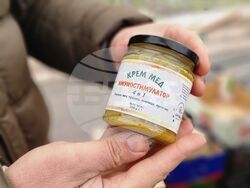
Among their new products is the so-called “4-in-1 innovation”. This is the most powerful immune booster, combining creamed honey, bee pollen, pure propolis and royal jelly. “Many people know about the effects of these four ingredients and try to mix them themselves, but it never comes out as homogeneous as we make it. For example, propolis granules need at least 20 days to release their beneficial substances into the honey they are mixed with. That’s why we give them the necessary time before offering the product to customers,” Stanimir explained.
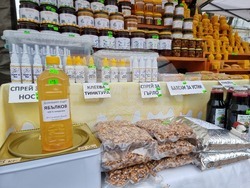
Another sought-after product is cold-pressed homemade aronia juice. “We make it from fruit from our own plantations, which we recently expanded. Only 30 to 50 millilitres per day should be consumed by one person. In larger amounts, it can cause dizziness because it lowers blood pressure,” he said.
The family farm is also reviving the production of homemade vinegar from various fruit trees in their orchard. “We are currently equipping a workshop in Omarchevo and obtaining the necessary permits and certificates. We plan this as a boutique production, with products offered only to individual customers – either by direct order or at markets and fairs,” Stanimir noted.
The brothers also said that, like many other beekeeping farms, they see their future in reducing production volumes. “It should only be as much as we can sell ourselves. Previously, we harvested around 10–12 tonnes of honey annually, but in the last three years we were on the verge of bankruptcy due to low purchase prices. The main reason is cheap imports from Ukraine, which even enter via Greece. Colleagues in the sector discuss that when official data report increased imports of Greek honey, no one actually clarifies what proportion is genuinely from Greece and what is not,” the beekeepers commented.
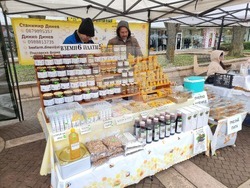
“For the last two years we have focused on fairs and exhibitions, and we believe this is the right path. It makes us very happy that more and more people rely on quality, clean food. I think this is the future – to return to the true things of nature. And personal contact with consumers, when they like our products and come back to us, has much greater value than just the financial side of things,” Stanimir Dinev concluded.
/VE/
Additional
news.modal.image.header
news.modal.image.text
news.modal.download.header
news.modal.download.text
news.modal.header
news.modal.text