site.btaHead of the EC Representation in Bulgaria: Bulgaria's Eurozone Entry Strengthens Eurozone
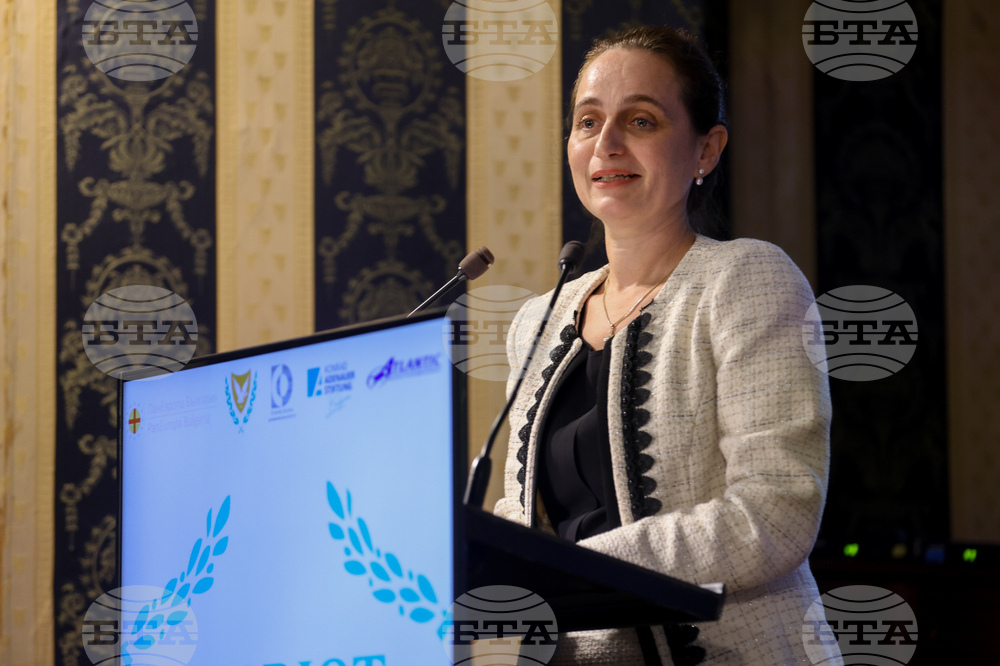
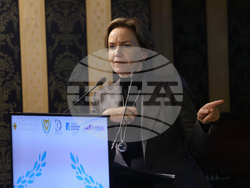
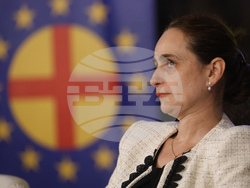
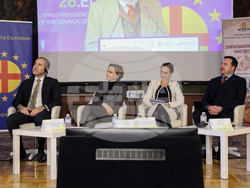
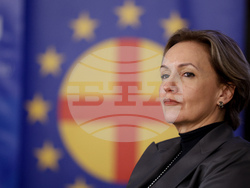
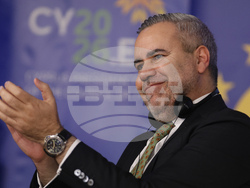
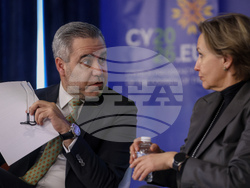
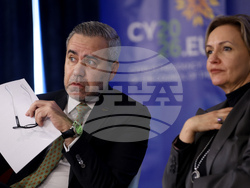
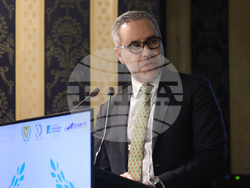
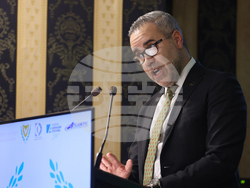
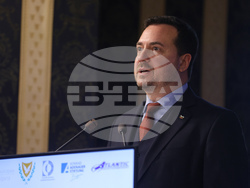
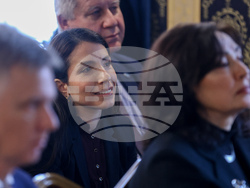
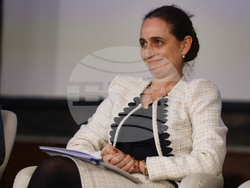
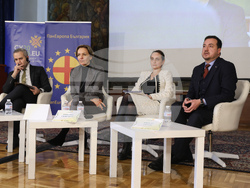
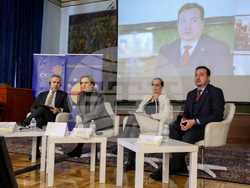
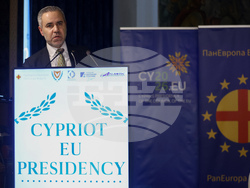
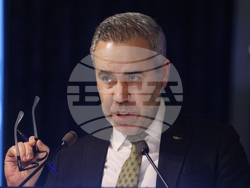
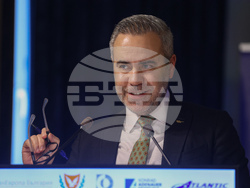
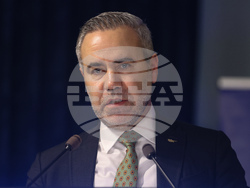
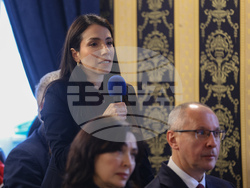
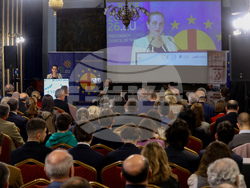
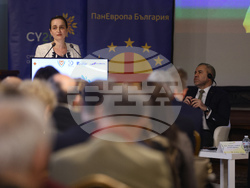
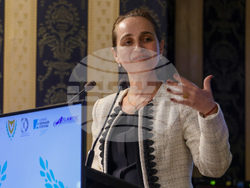
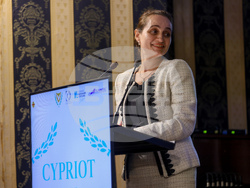
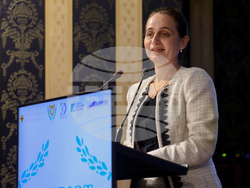
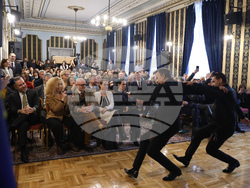
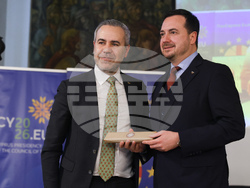
Speaking at a discussion on the priorities of the Cyprus Presidency of the Council of the European Union here on Thursday, Yordanka Chobanova, Head of the European Commission (EC) Representation in Bulgaria, said that with Bulgaria joining, the eurozone has become stronger, because with each new member state, the weight of the euro on a global scale increases.
Chobanova highlighted Bulgaria's efforts to achieve fiscal stability. She commented on sociological studies showing that support for the euro among Bulgarians is below 50% and reported that the rate of support was similar among the people of the Baltic countries back when they were in the process of adopting the euro. It took a few months for support for the common European currency there to increase to 70%.
Chobanova cited data according to which more than 80% of the people living in eurozone member states are in favour of this currency. She noted that countries that have adopted the euro are seeing positive migration, i.e., their citizens are returning from abroad because they find more opportunities for development in their home country.
Chobanova expressed confidence in the pragmatism of the Cypriot Presidency and stated that the challenges facing the EU are systemic, which requires a new approach. In this regard, she focused on the Multiannual Financial Framework proposed by the EC, which she described as very bold. The proposal for almost EUR 2 trillion aims to increase simplicity and flexibility, to match the unpredictable times.
For October, the EC reports that national plans have led to an increase in public investment of around 4% of GDP, proving that the principle of money for reforms leads to improved quality of life, she said.
Defence and security remain a priority, with the aim of coordinating economies to spend more wisely and effectively, and on a scale that ensures Europe's security, Chobanova said. Bulgaria has applied for the Security Action for Europe mechanism with projects worth around EUR 3.2 billion, which is a great opportunity for the Bulgarian defence industry, she added.
Another topic she touched upon was competitiveness, pointing out that, in addition to military leverage, it is natural for the EU to work towards greater economic leverage. The EU has 79 agreements globally, and an agreement with the South American trade bloc MERCOSUR is about to be signed, the head of the EC Representation noted. She said that these economic partnerships will make Europe stronger.
Chobanova concluded that in these times of uncertainty, polarization and division, Europe must bolster its competitiveness, which requires great coordination and unity. "Right now, the EU must be as united and strong as possible," she stated.
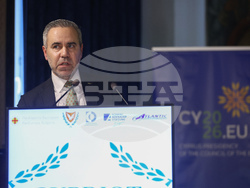
On January 1, Cyprus took over the six-month presidency of the Council of the EU for the second time with the intention of promoting changes aimed at European independence under the motto 'An Autonomous Union – Open to the World'. The presidency kicks off against a backdrop of acute geopolitical turmoil and unpredictability. It is recognized that Europe must cooperate with its partners where possible, while acting independently where necessary. According to Cyprus, the EU must work towards autonomy in defence, energy, and trade, competitiveness, the transition to a clean economy, digitization, and social cohesion.
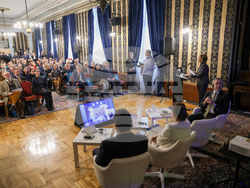
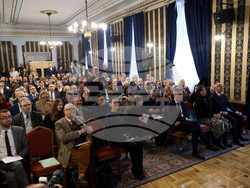
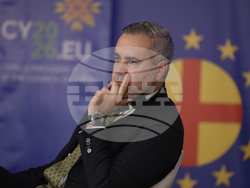
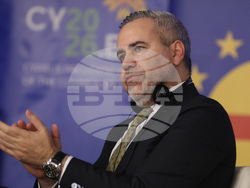
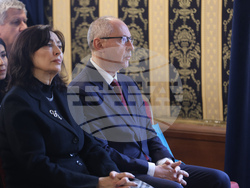
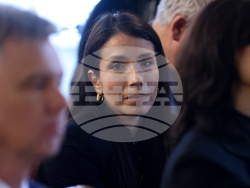
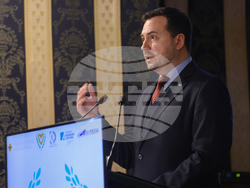
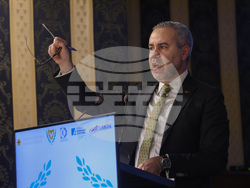
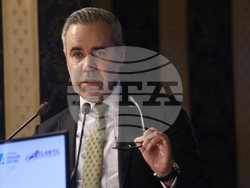
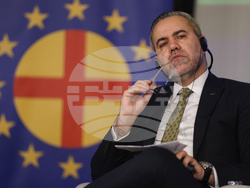
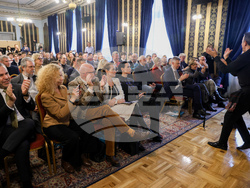
The discussion was organized by PanEuropa Bulgaria in partnership with the Embassy of the Republic of Cyprus in Bulgaria, the Konrad Adenauer Foundation, the Diplomatic Institute at the Ministry of Foreign Affairs, and the Association of the Officers in the Reserve Atlantic.
/MR/
Additional








news.modal.image.header
news.modal.image.text
news.modal.download.header
news.modal.download.text
news.modal.header
news.modal.text