New LIK magazine: "Bulgarian Money"
![New LIK Issue Offers Honest Account of Money on Bulgarian Lands, BTA Director General Says]()
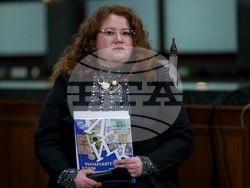
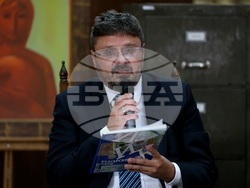
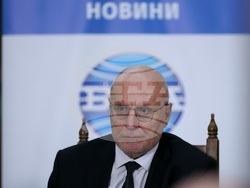
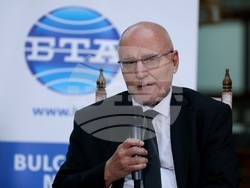
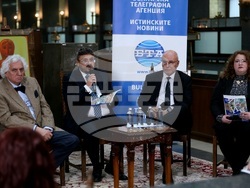
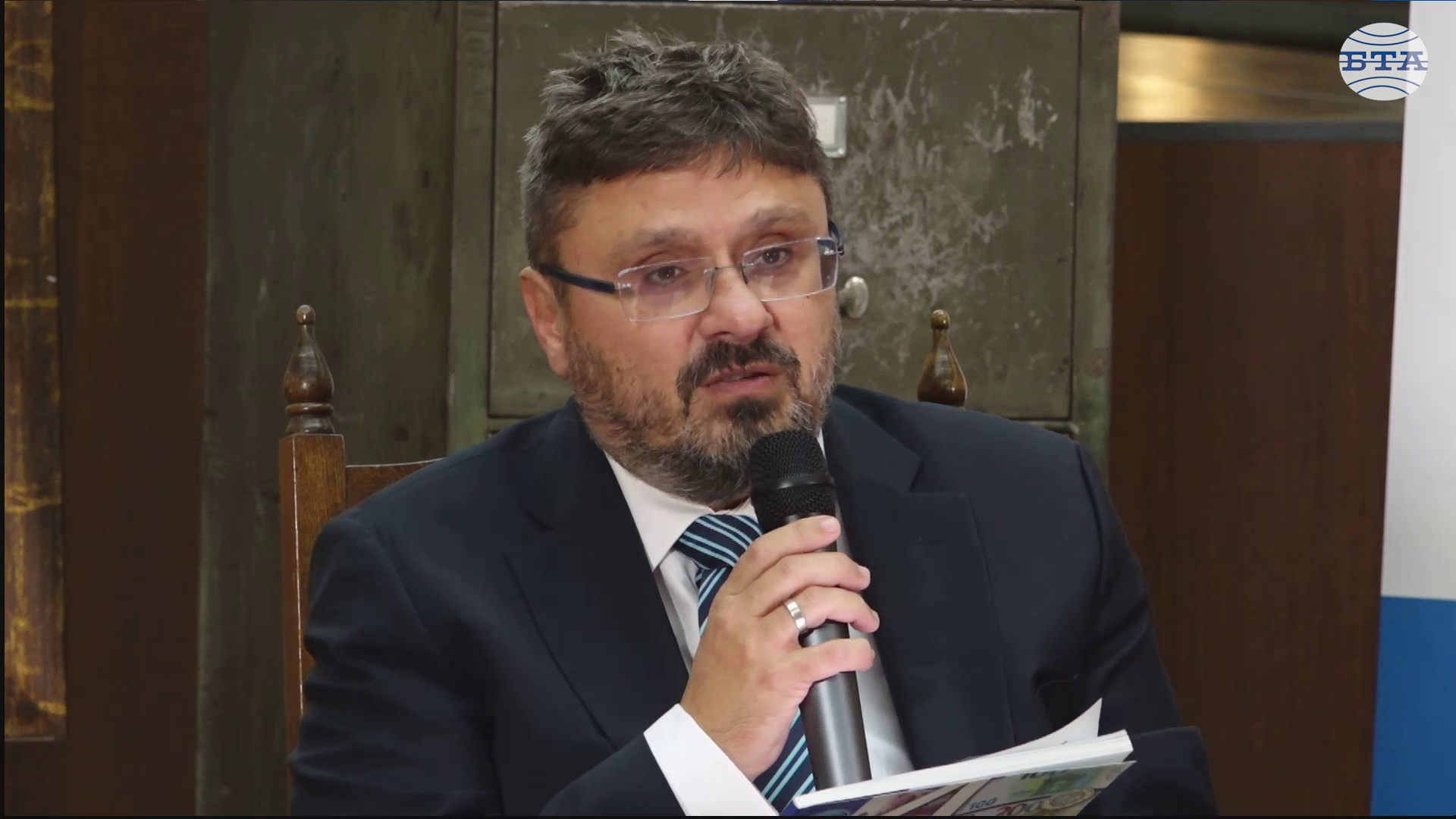
![New LIK Issue Offers Honest Account of Money on Bulgarian Lands, BTA Director General Says]() BTA Director General Kiril Valchev at presentation of new LIK issue on "Bulgarian Money", Sofia, January 6, 2026 (BTA Photo/Blagoy Kirilov)
BTA Director General Kiril Valchev at presentation of new LIK issue on "Bulgarian Money", Sofia, January 6, 2026 (BTA Photo/Blagoy Kirilov)
![БНБ - списание ЛИК - „Българските пари“ - представяне]()
![БНБ - списание ЛИК - „Българските пари“ - представяне]()
![БНБ - списание ЛИК - „Българските пари“ - представяне]()
![БНБ - списание ЛИК - „Българските пари“ - представяне]()
![БНБ - списание ЛИК - „Българските пари“ - представяне]()
![БНБ - списание ЛИК - „Българските пари“ - представяне]()
![БНБ - списание ЛИК - „Българските пари“ - представяне]()
![БНБ - списание ЛИК - „Българските пари“ - представяне]()
![БНБ - списание ЛИК - „Българските пари“ - представяне]()
![БНБ - списание ЛИК - „Българските пари“ - представяне]()
![БНБ - списание ЛИК - „Българските пари“ - представяне]()
![БНБ - списание ЛИК - „Българските пари“ - представяне]()
![БНБ - списание ЛИК - „Българските пари“ - представяне]()
![БНБ - списание ЛИК - „Българските пари“ - представяне]()
![БНБ - списание ЛИК - „Българските пари“ - представяне]()
![БНБ - списание ЛИК - „Българските пари“ - представяне]()
![БНБ - списание ЛИК - „Българските пари“ - представяне]()
![БНБ - списание ЛИК - „Българските пари“ - представяне]()
![БНБ - списание ЛИК - „Българските пари“ - представяне]()
![БНБ - списание ЛИК - „Българските пари“ - представяне]()
![БНБ - списание ЛИК - „Българските пари“ - представяне]()
![БНБ - списание ЛИК - „Българските пари“ - представяне]()
![БНБ - списание ЛИК - „Българските пари“ - представяне]()
![БНБ - списание ЛИК - „Българските пари“ - представяне]()
![БНБ - списание ЛИК - „Българските пари“ - представяне]()
![БНБ - списание ЛИК - „Българските пари“ - представяне]()
![БНБ - списание ЛИК - „Българските пари“ - представяне]()
![БНБ - списание ЛИК - „Българските пари“ - представяне]()

site.btaUPDATED New LIK Issue Offers Honest Account of Money on Bulgarian Lands, BTA Director General Says
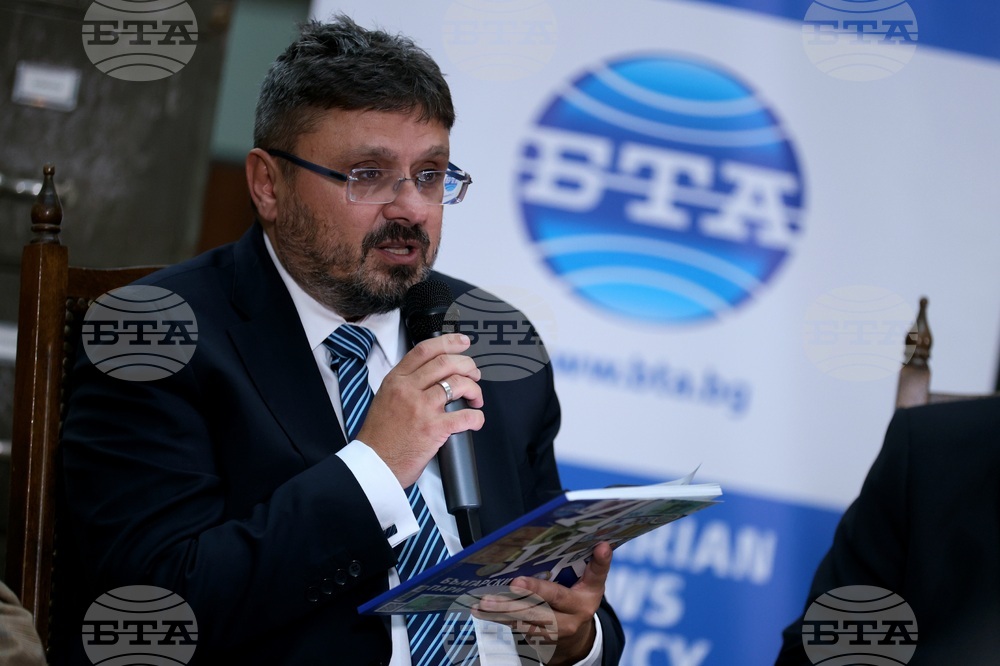
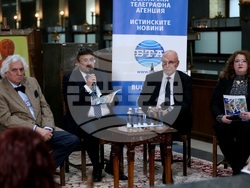
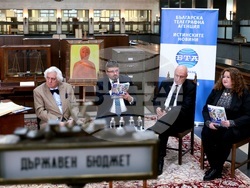
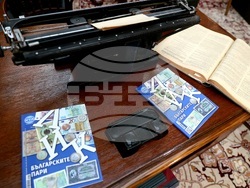
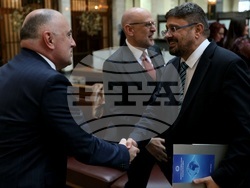
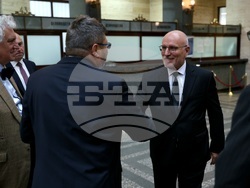
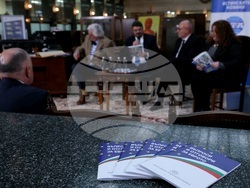
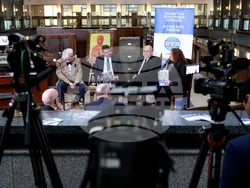
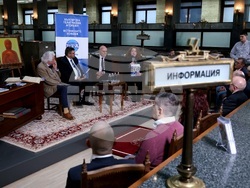
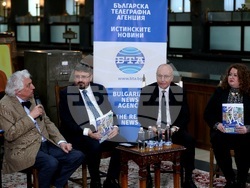
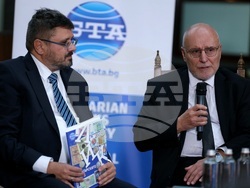
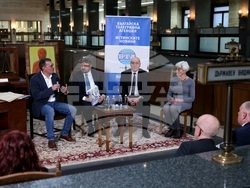
This issue of LIK offers an honest account of money on Bulgarian lands, part of which is told through the archives of the Bulgarian News Agency (BTA), featuring news spanning three centuries, from the late 19th century to the first quarter of the 21st century, BTA Director General Kiril Valchev said at the presentation of the magazine’s new December issue on "Bulgarian Money", on Tuesday at the Bulgarian National Bank (BNB).
BTA reported on the Bulgarian lev for the first time, a year after the Agency’s establishment, Valchev said. On July 7, 1899, BTA reported from Constantinople that "the Paris Ottoman Bank telegraphed the Public Debt Administration that the Bulgarian National Bank had paid, on behalf of the Bulgarian government, 2.5 million leva in overdue contributions for the Eastern Rumelia tax."
"The chronicle drawn from the archives continues with new issues of the lev, loans, devaluations, and denominations, and concludes with Bulgaria’s application for and accession to the euro area, along with the accompanying debates in 2025 both "for" and "against" adopting the euro at this time," Valchev added.
According to him, the BNB’s Public Vault is one of the places where, for greater security through risk diversification, disks containing copies of BTA’s electronic photographs from the beginning of this century have been stored for the past five years. These are complemented by digital copies of more than five million pages of paper bulletins digitized over the past two years, as well as nearly 700,000 photos from negatives.
"The Bulgarian National Bank was established in 1879 and is the 13th central bank in the world in chronological order. BTA, founded in 1898, ranks ninth by year of establishment among the 26 agencies in MINDS International, a global network of leading news agencies collaborating in the digital development of the media, comparable to the G20, and among the 34 agencies of the European Alliance of News Agencies (EANA)," Valchev said.
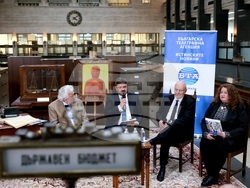
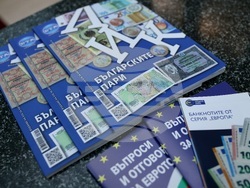
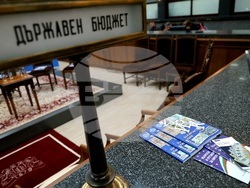
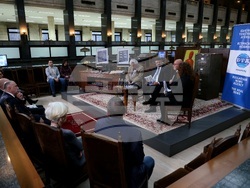
He expressed his gratitude to the BNB and its Governor, Dimitar Radev, not only for hosting the presentation of this issue of LIK in the emblematic tellers’ hall at the BNB’s headquarters in Sofia, built between 1935 and 1939 based on designs by Bulgarian architects Ivan Vasilyov and Dimitar Tsolov, but also for granting access to photograph Bulgarian banknotes and coins, which enrich this edition of BTA’s magazine.
"We are leading this conversation amid many symbols. The four grilles at the tellers’ hall entrance doors feature bronze lions, symbolising Bulgaria’s centuries-old history and the lev as part of it. The lions hold heraldic shields with diverse motifs symbolizing Bulgaria’s major industries in the first half of the last century, a reminder of creativity through engagement with the achievements of the world. They are the work of Prof Mihaylo Parashchuk, who also decorated the face of the clock on the southern wall of the tellers’ hall, a reminder of time, which turns everything we do into something transient, often amid fierce debates. The exquisite filigree stonework grilles over the internal windows facing the tellers’ hall remind us of humanity’s eternal search for greater security in life," Valchev added.
According to him, the broader idea behind this issue is to reflect on the meaning of money itself. The magazine offers numerous perspectives on what money represents, a medium of exchange, a storage of value, trust, identity, and belonging to a community.
"The most enduring meaning of money turns out to be its role as a means of testing human character. The measure of its value may prove to be salvation or betrayal. According to scholars I have spoken with, Tyrian shekels, the thirty pieces of silver for which Judas betrayed Jesus, were certainly in circulation in today’s Bulgarian lands," Valchev added.
"For this reason, we must remember that money is not an end in itself but a tool that reveals the human heart," Valchev stated. Money itself is neither evil nor good, but addiction to it is evil, while using it for good deeds is good. Money should not rule over people. Instead, people should rule over money, regardless of its form. Because "You cannot serve God and mammon", as according to the Gospel of Matthew, Jesus Christ used the Aramaic word "mammon", meaning wealth or possessions one relies upon.
In this sense, Bulgarian money today, both the lev, which is being withdrawn from circulation, and the incoming euro, carries a powerful symbol in the images of Bulgarian saints John of Rila and Paisius of Hilendar depicted on the coins. "They remind us of the true value of money as a measure of the human being," Valchev added.
"Thanks to Bulgaria, the euro now bears another spiritual sign as well, the Cyrillic alphabet, the third alphabet of the European Union. Notably, in the year of the decision on Bulgaria’s accession to the euro, we are also marking a major anniversary, 1,170 years since Saints Cyril and Methodius created the first graphic system of Bulgarian writing, the Glagolitic script. Last May, the three public media, BTA, Bulgarian National Television (BNT) and Bulgarian National Radio (BNR), launched the initiative “14 Centuries of Bulgaria in Europe” for commemorating anniversaries in Bulgarian history that are significant for European history through to 2032, when 1,400 years will be marked since the establishment in 632 of the first Bulgarian state in Europe - Old Great Bulgaria. The initiative was supported by the Bulgarian Academy of Sciences from the start, and at the beginning of December, after a BTA appeal, 25 Bulgarian historians and archaeologists, also prominent public figures, joined the initiative," Valchev said.
He added that the day chosen to present the issue of LIK dedicated to Bulgarian money, Epiphany, the Baptism of the Lord, also carries deeply fitting symbolism: renewal and belonging, but also the understanding that the grace of a better new life cannot be bought through formal acts and depends on each individual and their efforts.
"Baptism is not magic, but the beginning of a new path, on which the wrong choices of a free man will reduce the opportunities received. In essence, baptism is a sacrament, and sacraments are among the things that cannot be sold. The Bulgarian Orthodox Church has explicitly ruled that a priest may not refuse baptism, if a person cannot afford the fee, which is viewed as a donation, because grace cannot be bought with money, in any form, whether lev or euro," Valchev stated.
Since January 2024, LIK magazine has been freely accessible to readers. All issues published since its revival in 2022 can be downloaded in electronic format from the BTA website. The December “Bulgarian Money” issue can be found here.
/DD/
Additional


news.modal.image.header
news.modal.image.text
news.modal.download.header
news.modal.download.text
news.modal.header
news.modal.text