site.btaHealing the Healers: A Study Explores Burnout among Medical Professionals
In a world of rapid technological advancements and scientific breakthroughs, medical professionals are the beating heart of the system. They have a responsibility for human life and health every day, and they are often overworked and unaided in grappling with their own stress and occupational burnout. A study unveiled in late January offers solutions, strategies and practical approaches to building a healthier, more balanced and supportive working environment for doctors, nurses and other healthcare providers.
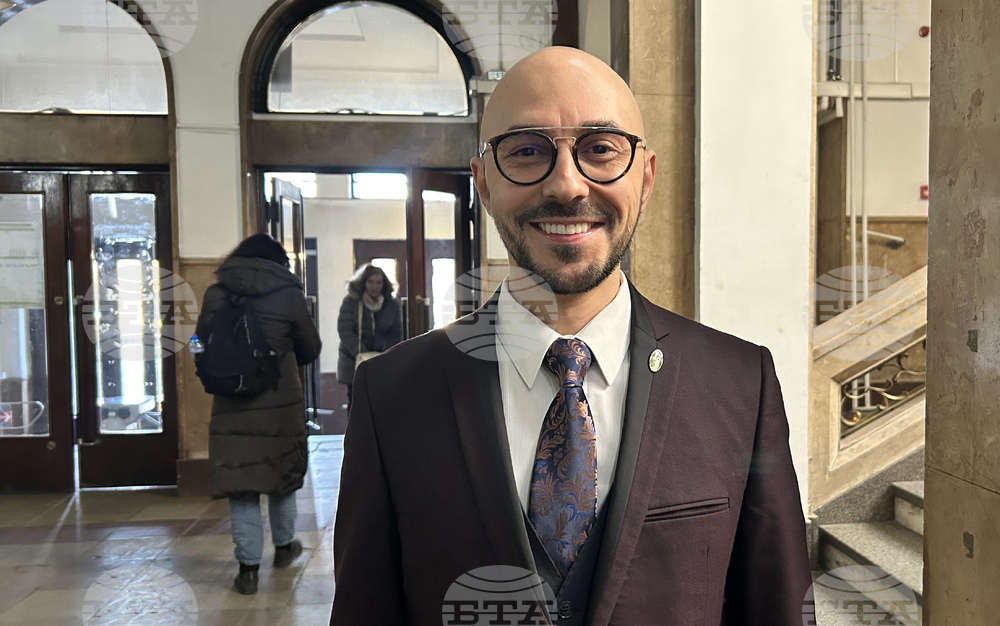
The monograph, The Quality of Life and Mental Health of Medical Professionals in Bulgaria, by Associate Professor Momchil Baev of New Bulgarian University in Sofia, suggests that reluctance to go to work is one of the main signs of burnout in a medical worker. The condition is also marked by low motivation, physical and mental fatigue, irritation and exhaustion in the workplace, Baev told BTA in an interview.
Sometimes medics fall into a state of "quiet quitting," which is not physical absence from the workplace but a decline in motivation, lack of empathy, forgetfulness and absent-mindedness. These mental processes serve as protective barriers against burnout, the professor explained.
The foremost reasons for burnout in the medical profession have to do with the atmosphere in the working environment, he said. In hospitals, there is a specific hierarchy of working relationships and communication channels. Decisions usually flow from the top down. Frontline employees have very high responsibilities regarding patients' health and life, but at the same time they do not share in making the decisions. When someone is overburdened with responsibility, and yet has no right to make decisions, this can be a potent prescription for burnout. Tense communication among colleagues can be a factor too.
The expert also pointed to overwork due to long shifts. A shift often lasts between 12 and 24 hours, and sometimes even 48 hours. Some medical professionals are supposed to be "available" all the time and may not switch off their telephones while at home as they stand by for a possible call from their hospital to perform an urgent task.
Baev noted that young medics are not immune to mental strain in their work, but they can adapt more easily.
He said his research on occupational burnout and mental health among medical professionals took a more in-depth turn during the COVID pandemic, when friends and colleagues told him about their experiences in hospitals.
Assoc. Prof. Momchil Baev is the founder of the Astra Forum Foundation, whose mission is to promote the sustainable development of society through research and other activities in healthcare, medicine and education, among other fields.
/VE/
news.modal.header
news.modal.text