site.btaBulgartransgaz to Take Part in Development of Digital Corridor Linking Asia and Europe
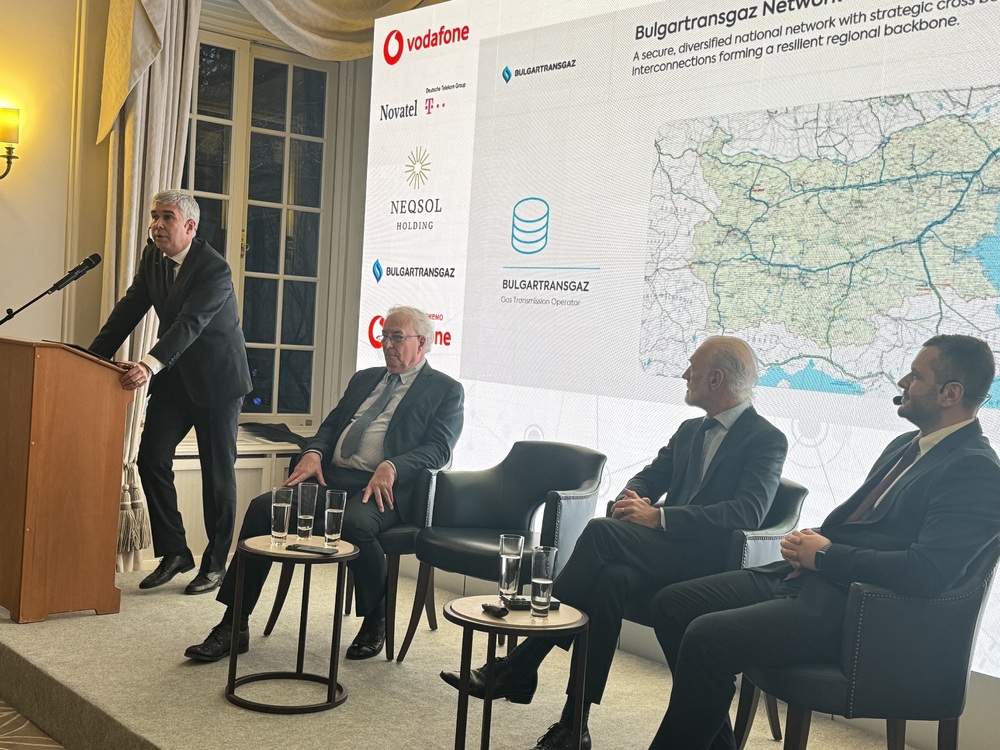
Bulgartransgaz EAD will participate in the development of a digital corridor linking Asia and Europe, the company said.
“Today we are presenting a project of key importance for Bulgaria’s future, with the involvement of Bulgartransgaz - Kardesa. This is a next-generation submarine telecommunications system across the Black Sea that will connect Bulgaria and Georgia, with links to Turkiye and a planned future extension to Ukraine. It will turn our country into a strategic entry point of a new digital corridor between Europe and Asia,” Bulgartransgaz EAD Executive Director Vladimir Malinov said. He presented Kardesa as part of a large-scale digital connectivity initiative known as the “middle corridor” or the ”digital silk road,” which runs through the Caucasus, the Caspian Sea, and Central Asia.
It is important to note that the Bulgarian company will not invest additional financial resources in the project, but will participate through existing assets by providing an already constructed route, Malinov said.
The company's press release adds that a Memorandum of Understanding was signed during the event between Novatel–Bulgartransgaz, Apollo Submarine Cable System Limited and PrJSC, and VF Ukraine, establishing the general framework, rights, and obligations of the companies involved in implementing connectivity between Aheloy and Sofia. This forms part of the Black Sea submarine cable project Kardesa. The project’s investors are Vodafone and NEQSOL Holding, with total investment exceeding EUR 100 million. The contractor for the submarine system is the international company Xtera, a global leader in the design and construction of submarine telecommunications networks. The parties have committed to making every effort to complete the project by mid-2027.
According to Malinov, the benefits for Bulgaria are significant: strategic positioning as a digital hub, attracting investment in data centers and AI infrastructure, creating high-tech jobs, and strengthening the country’s digital sovereignty. Kardesa represents a concrete step toward long-term competitiveness and Bulgaria’s active participation in the European digital and AI ecosystem.
Construction of the Black Sea Kardesa system is scheduled to begin from Bulgaria in 2027, positioning the country at the starting point of one of the most significant new digital corridors on an international scale.
In Bulgaria, the company Novatel will build and operate the digital infrastructure in the Aheloy area, as well as two independent optical routes to Sofia. The project is being implemented in partnership with Bulgartransgaz EAD and serves as an example of effective public-private cooperation between the telecommunications and energy sectors, the Bulgartransgaz press release said.
/KK/
news.modal.header
news.modal.text