site.btaBulgarian Fuel Industry Urges Tighter Controls as Illegal Fuel Sales Cost Budget Over BGN 550 Mln in 2024
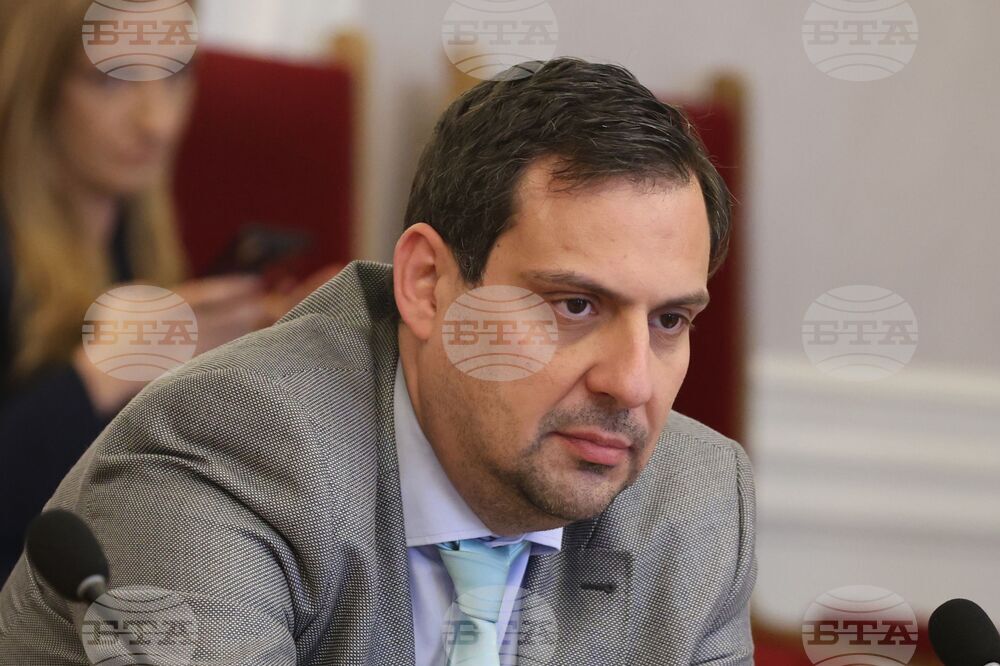
Commenting on the analysis of the losses to the state budget from the consumption of unregistered fuel, released earlier on Monday, Bulgarian Petroleum and Gas Association (BPGA) Chair Svetoslav Benchev told BTA that there are several practical ways to tackle the grey fuel market. According to a joint analysis by the Bulgarian Petroleum and Gas Association (BPGA), the Center for the Study of Democracy, the National Revenue Agency and the Customs Agency, losses to the state budget exceeded BGN 550 million in 2024, despite a slight decline after the pandemic peak. The report shows that the grey fuel sector in Bulgaria remains substantial.
Benchev said fuel transport must be brought under tighter control by using the national toll system to track tanker trucks in real time, including their routes, destinations and stops. He also proposed installing cameras at unloading points at fuel stations to monitor the entire supply chain. While license plates of trucks leaving tax warehouses are currently recorded, part of the data is lost later in the process, he added, arguing that toll system data combined with cameras would allow full traceability.
He said another key step is minimizing manipulation of electronic fiscal systems through cash registers, noting that BPGA will work with the National Revenue Agency on the issue. Benchev also stressed the need for stricter control over the origin of fuels and production sites.
He argued that legislative changes are necessary, most likely amendments to the Excise Duties and Tax Warehouses Act to regulate the installation of cameras with state support, as well as tighter rules for the registration and control of fiscal systems. BPGA, he added, has prepared proposals for such legal changes.
The analysis found that 12.39% of fuel consumed in Bulgaria in 2024 was unregistered, equal to 659 million litres on which no taxes were paid. Diesel accounts for the bulk of the illegal market, with 612 million litres, representing 16.32% of diesel consumption, while the share for petrol was significantly lower at 5.79%.
The experts rejected the theory that most illegal fuel comes from duty-free stations in Turkiye or abuse of subsidized agricultural fuel. Instead, the main hypothesis is that illegal sales are carried out through high-turnover fuel stations by bypassing electronic fiscal memory systems of the National Revenue Agency, as well as through captive and institutional facilities in sectors such as construction and off-road machinery.
/VL/
news.modal.header
news.modal.text