site.btaBulgaria, Italy, Romania, Albania, North Macedonia Affirm Strategic Importance of Corridor VIII
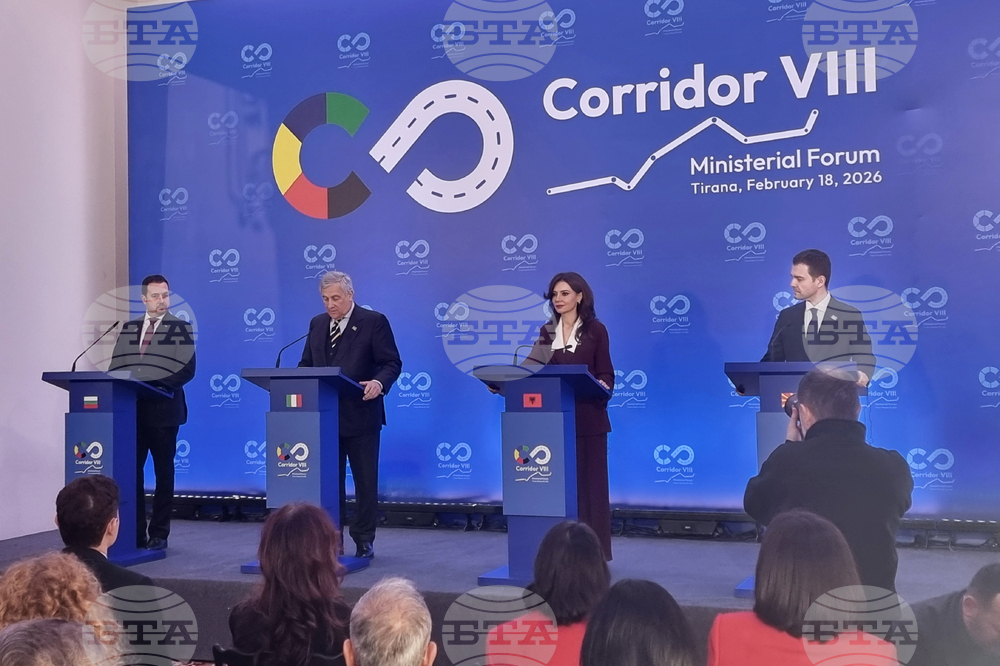
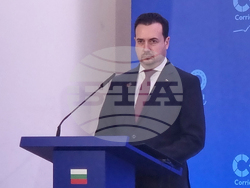
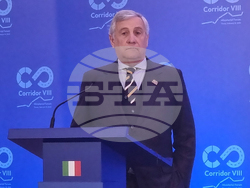
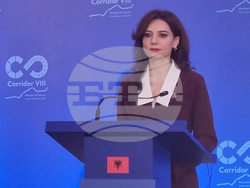
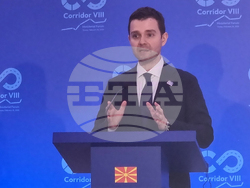
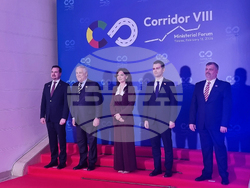
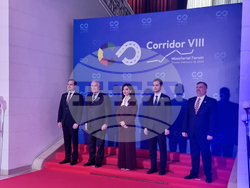
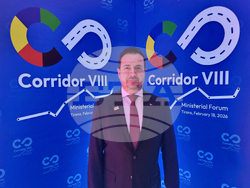
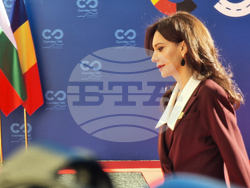
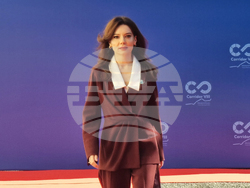
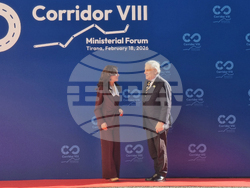
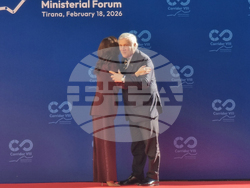
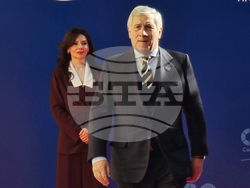
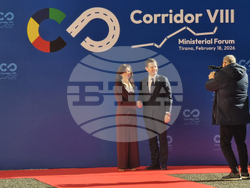
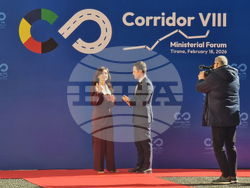
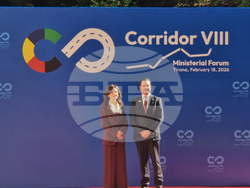
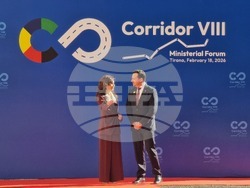
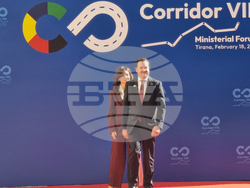
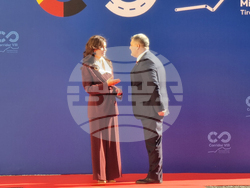
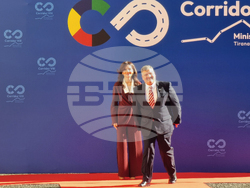
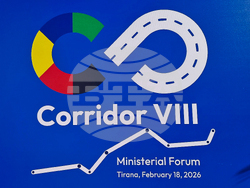
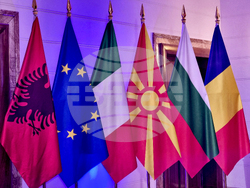
On Wednesday, Tirana hosted a ministerial meeting and economic forum on Corridor VIII, the multimodal infrastructure project linking the Black Sea to the Adriatic through Albania, North Macedonia, and Bulgaria, extending to Italy and Romania. Participating countries consider Corridor VIII a political and operational platform for strengthening connectivity, resilience, and shared prosperity in the region. The meeting, opened by Albania's Foreign Minister Elisa Spiropali, saw the participation of Italian Deputy Prime Minister and Foreign Minister Antonio Tajani, North Macedonia’s Minister of Foreign Affairs and Foreign Trade Timcho Mucunski, Bulgarian Deputy Foreign Minister Nikolay Pavlov, and the Romanian Ambassador to Tirana Octavian Serban. At the end of the meeting, a Joint Declaration was adopted, reaffirming the five countries' commitment to supporting Corridor VIII's construction. The Pan-European Transport Corridor VIII is a key component of the Trans-European Transport Network (TEN-T), the declaration said. Corridor VIII is a lever for economic integration, it is a security and defence component, in a context where military mobility and the protection of critical infrastructure have become priorities for the European Union and NATO.
Albania’s Foreign Minister Elisa Spiropali announced that a second meeting on Pan-European Corridor VIII is expected to take place by the end of the year at the border between Bulgaria and North Macedonia. "Corridor VIII is at the heart of our national transport strategy, with more than EUR 2 billion in investments in priority projects that are already being prepared or implemented," she added. "Our goal is simple - to turn Corridor VIII into a true European corridor, not just a line on the map," Spiropali said.
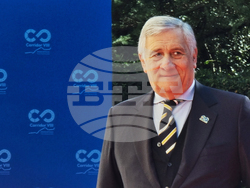
Italian Deputy Prime Minister and Foreign Minister Antonio Tajani said that the Western Balkans are very important for Italy, "for stability, for peace, for growth, for a stronger Europe". He stressed that Italy strongly advocates for the accession to the EU of all countries from the Western Balkans - Albania, Bosnia and Herzegovina, Kosovo, North Macedonia, Serbia and Montenegro. He added that Corridor VIII is essential for trade and infrastructure, for European and NATO defence, as well as for EU enlargement.
North Macedonia’s Foreign Minister Timco Mucunski said that the countries "share a clear and fundamental understanding: this corridor must function as a single system across borders. Not as separate projects that stop at the next border checkpoint. For my country, the commitment is clear – we are at the centre of Corridor VIII, and we will make it happen." Mucunski recalled an agreement signed in November 2025 for the construction of a railway tunnel between North Macedonia and Bulgaria, describing it as a "key cornerstone". He added that the first segment of the railway line, to the east, is complete, the second is currently under construction, and work on the third is ongoing.
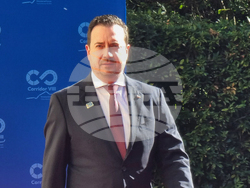
Bulgaria highly appreciates the strong political commitment demonstrated by all partners, Bulgaria’s Deputy Foreign Minister Nikolay Pavlov said. "The development of the Trans-European transport and energy networks is among the European Union’s most important strategic projects. Railways, roads, ports, airports, energy interconnectors, and digital infrastructure are not merely technical systems, they form the backbone of the EU’s economic strength, connectivity, resilience, and security," he added.
The link between the Adriatic and the Black Sea, runs from Durres in Albania to Tirana, Skopje, in North Macedonia, to Sofia en route to the Bulgarian ports of Burgas and Varna, with maritime connections to the Italian ports of Bari and Brindisi. Once completed, it is expected to comprise 1,300 kilometres of rail and 960 kilometres of road, connecting five countries and six strategic ports. Following the NATO Defence Ministers' meeting on February 12, Corridor VIII was included in the Atlantic Alliance's critical infrastructure.
/RY/
Additional


news.modal.image.header
news.modal.image.text
news.modal.download.header
news.modal.download.text
news.modal.header
news.modal.text