site.btaDiscussion in Sofia Highlights Innovations in Education for the Skills of the Future
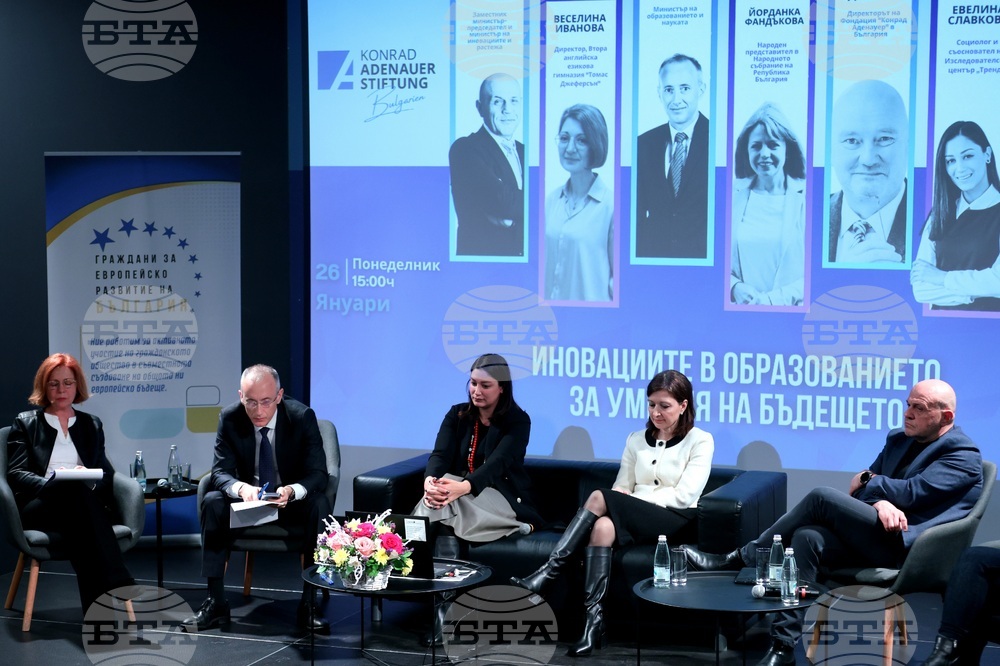
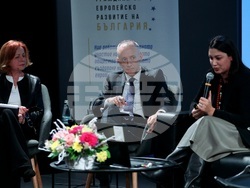
“Innovations in Education for the Skills of the Future” was the topic of a discussion held at the Toplocentrala Cultural Center in Sofia, organized by the Citizens for European Development of Bulgaria (GERB Association) with the support of the Konrad Adenauer Foundation. The discussion was moderated by Yordanka Fandakova, Member of Parliament from the GERB-UDF parliamentary group and Chair of the association’s Management Board.
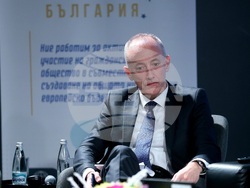
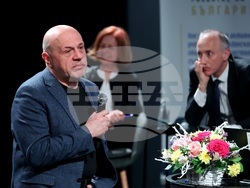
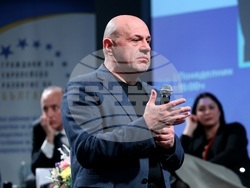
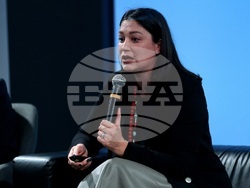
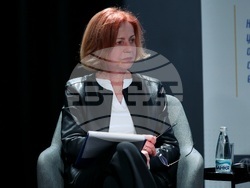
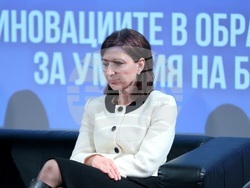
Participants included Tomislav Donchev, outgoing Deputy Prime Minister and Minister of Innovation and Growth; Krasimir Valchev, outgoing Minister of Education and Science; Evelina Slavkova, social analyst at the Trend Research Center; Veselina Ivanova, Director of the Thomas Jefferson Secondary English-Language School in Sofia; and Norbert Beckmann-Dierkes, Director of the Konrad Adenauer Foundation in Bulgaria.
The discussion aimed to emphasize the role of each element in creating an integrated, innovative educational environment.
Deputy Prime Minister Tomislav Donchev highlighted ethical issues related to the achievements of new technologies, citing progress in the field of medicine as an example. “Soon we will be in a situation where human life can be significantly extended,” he said, noting that public health systems may not be able to cover the costs of such technologies, potentially creating a divide between wealthy individuals with access and the rest of society.
Regarding educational innovation, the Deputy Prime Minister stressed the need for greater autonomy and freedom for schools that have good practices to foster creative thinking.
The outgoing Minister of Education and Science, Krasimir Valchev, said the education system must be more open to innovation. He raised the question of how to make the system more innovative, noting that several steps are necessary, but innovations should primarily aim to improve educational outcomes. One step, he said, is to move away from the dominant culture of formalism and standardization reflected in the Regional Education Directorates (RED), which often focus on checking documents rather than systematically promoting a culture of innovation.
In the 2025/2026 school year, 526 schools in Bulgaria will be designated as innovative. The government-approved list includes schools from 191 settlements in 136 municipalities across all 28 regions. Of these, 76 schools were not previously listed as innovative in 2024/2025, while 450 schools are continuing from previous years, the government press office reported in September 2025.
/NF/
Additional


news.modal.image.header
news.modal.image.text
news.modal.download.header
news.modal.download.text
news.modal.header
news.modal.text