site.btaPoliticians and Experts Meet in Sofia to Debate Security Challenges Across All Sectors
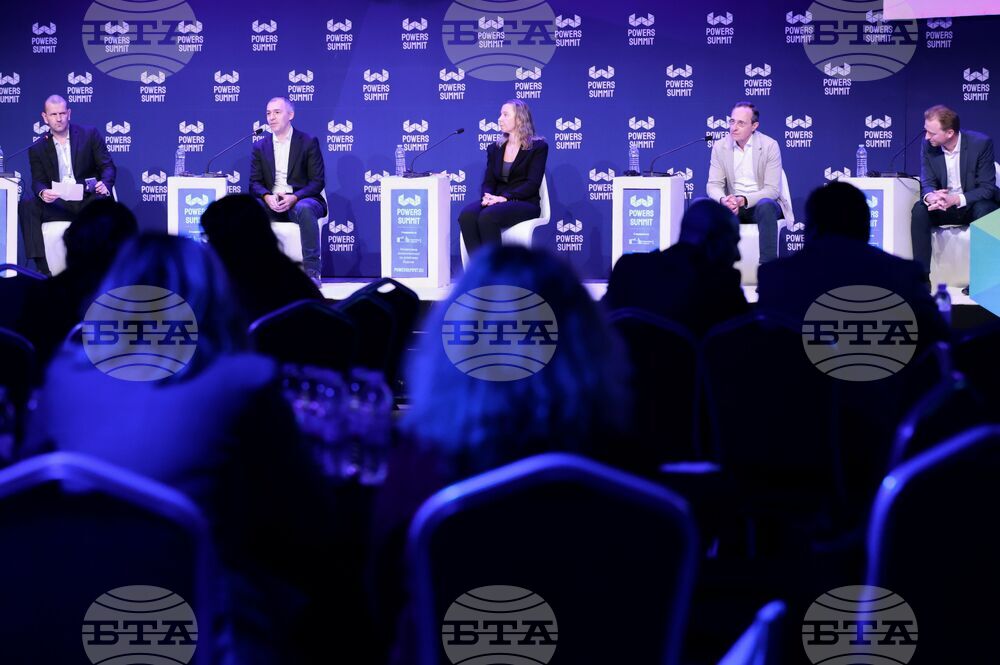
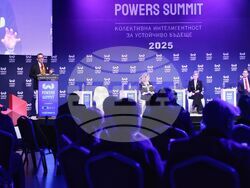
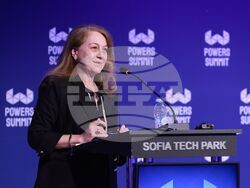
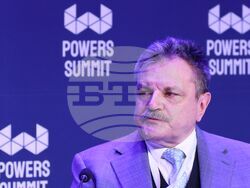
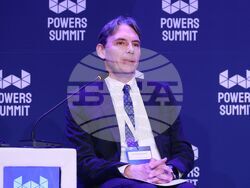
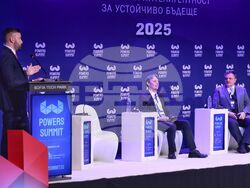
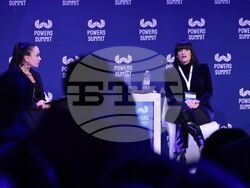
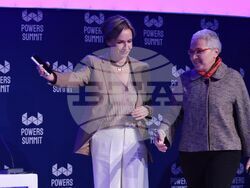
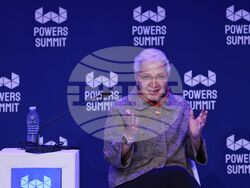
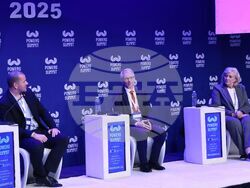
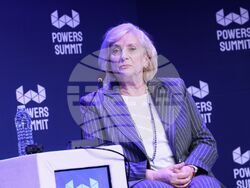
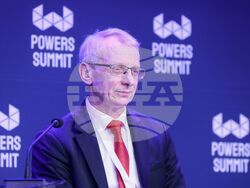
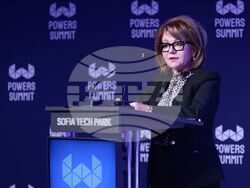
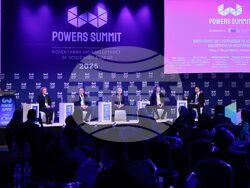
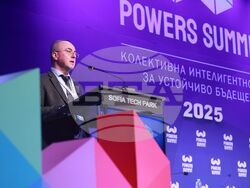
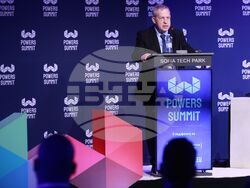
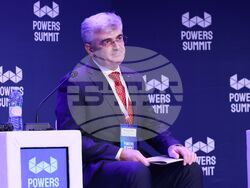
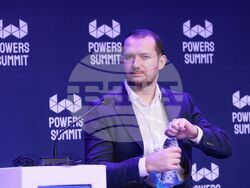
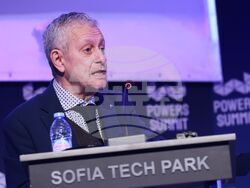
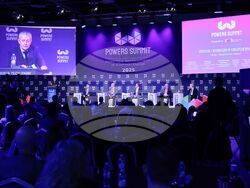
Politicians, business leaders, diplomats and policy experts gathered in Sofia on Tuesday for the Powers Summit, a high-level forum dedicated to examining security in all its dimensions — from defence and energy to healthcare, education, finance and digital resilience. The event, co-organized by the Webit Foundation and the Digital National Alliance with the support of the European Commission Representation in Bulgaria, brought together key public figures to outline the risks facing Europe and Bulgaria and the policies needed to address them.
Opening the forum, Webit CEO Aniela Ruseva said this year's edition of the Powers Summit places a strong focus on defence, national security, healthcare, energy, education and the competitiveness of Bulgaria and Europe. She stressed that the event once again unites government, business, academia and civil society in pursuit of real-time solutions through open dialogue - a continuation of last year's agenda, which centred on energy, healthcare, demography, finance, entrepreneurship and education.
Digital National Alliance President Gergana Passy underscored the importance of the summit at a time when political crises have become “the new normal”. She said that the forum serves as a guardian of institutional memory and a space where transparency and accountability must prevail. Emphasizing that security now cuts across every sector, Passy argued that public dialogue is essential in moments of anger and uncertainty. The summit’s structure - with panels featuring industry, business leaders and policymakers - reflects the urgent need to understand who listens, who delivers and who falls short.
Zornitsa Venkova, Deputy Head of the European Commission Representation in Bulgaria, described peace and security as fundamental to Europe’s prosperity. She said the Commission supported dedicating the 2025 edition to security from the outset, as the topic reflects Europe’s strategic priorities amid renewed great-power rivalry and heightened economic competition. Venkova highlighted the EU’s efforts to support Ukraine, strengthen defence capabilities, accelerate innovation and reinforce cybersecurity — especially in critical sectors like healthcare. Europe, she said, can no longer take its security architecture for granted.
Plamen Rusev, Executive Chair of the Webit Foundation, warned that the world is entering an era of unprecedented challenges, driven by geopolitical uncertainty, technological dependency and rising global debt. He argued that trust has become the most valuable currency, while unfulfilled promises erode it like inflation. Pointing to the fragility of the global AI supply chain and the mounting burden of public debt, Rusev described the current moment as an “economic heart attack waiting to happen”. He also noted that shifts in US security strategy leave Europe — and particularly Eastern Europe — facing hard decisions about its future autonomy and security guarantees.
Deputy Energy Minister Krasimir Nenov said he shared the business community’s expectations for consistency, transparency and predictability in policymaking, particularly in the energy and mining sectors where decisions have long-term consequences. Speaking at the forum, he highlighted Bulgaria’s potential in critical materials, including rare earth elements, and argued that the country could become a regional hub for new industrial value. Nenov stressed that the state must remove barriers for investors and create a more predictable environment.
Assoc. Prof. Ivan Mitev, Executive Director of the Bulgarian Chamber of Mining and Geology, said Bulgaria should prepare a list of strategic raw materials and priority projects in the coming year. He argued that administrative procedures need a complete overhaul — from land-use rights to faster, more predictable decision-making — to ensure the financial viability of major industrial projects.
Vladimir Malinov, CEO of Bulgartransgaz, emphasized the need for stronger cooperation between the State, private capital and state-owned enterprises. He called for a national mid- and long-term energy strategy, warning that the fast-changing energy landscape leaves no room for delay. Public-private partnerships, he added, must become a more prominent pillar of Bulgaria's energy planning.
Petyo Ivanov, Executive Director of Kozloduy New Builds, noted that the construction of Units 7 and 8 at Kozloduy N-plant is Bulgaria’s largest ongoing infrastructure project and requires strong state support for financing and regulatory procedures. He argued for greater digitalization in permitting and said streamlined visa rules will be essential, as many construction workers will come from non-EU countries.
Meglena Rusenova, Chair of the Bulgarian Photovoltaic Association, highlighted the large-scale private investments that have positioned Bulgaria as a regional leader in renewables and energy-storage systems with private capital. She said expanding physical grid interconnections is essential and stressed the need to complete and further develop projects of the Electricity System Operator so Bulgarian-generated energy can reach every European market.
Valeri Drenikov, Chair of the Association of Energy Traders in Bulgaria, praised the government’s programmes supporting large-scale storage investments. He said soaring demand from data centres — the fastest-growing energy consumers — is transforming the energy landscape. For companies investing in artificial intelligence, he added, access to zero-emission electricity has become a top priority.
Ivan Pironkov, Managing Director of Westinghouse Bulgaria, said the world is experiencing a “nuclear renaissance” driven by the need for clean, reliable and constant energy supplies. He argued that only nuclear technology can meet these criteria at scale, making it indispensable for ensuring a sustainable future for the next generations.
MP Stanislav Anastasov of MRF - New Beginning said the business community’s concerns have been heard and proposed creating a national geological company. Such an institution, he argued, is needed not only for strategic raw materials but also to update Bulgaria’s outdated geological maps, which date back to 1976 and are essential for water management, industry and public needs.
Socialist MP Dragomir Stoynev said Bulgaria must be an active participant, not a passive follower, in the energy transition. He supported calls for a national list of strategic raw materials and projects and stressed that greater transparency in the electricity system would significantly improve investment conditions.
Radoslav Ribarski MP of Continue the Change – Democratic Bulgaria countered that the State should not dominate every strategic area. Instead, government must create the conditions for investment - security, transparency, clear rules and digitalization, he said. He argued that Bulgaria should follow the model of Black Sea oil and gas exploration, where international companies led the work due to their expertise.
Borislav Georgiev, advisor to the Bulgarian Defence Industry Association, said industrial cooperation is essential for national defence, noting that Bulgaria has been among the EU’s top five suppliers over the past five years. He stressed that the Bulgarian defence industry is capable of supplying a significant portion of Europe’s stockpiles if properly integrated into EU-wide efforts.
Miglen Evlogiev, Chair of the Bulgarian Cybersecurity Association, said modern conflicts are increasingly fought “with drones and keyboards,” making cybersecurity fundamental. He highlighted three pillars of organizational security - people, technology and processes - and warned that Bulgaria lacks technological sovereignty despite its strong IT talent. More investment and updated practices, he said, are urgently needed.
Dobroslav Dimitrov, member of the advisory councils of BASSCOM association of software companies, said Europe must reclaim its digital, space, AI and defence sovereignty. He warned that Europe’s advanced defence capabilities currently depend heavily on US technologies, placing the continent in a subordinate position. Building sovereign European capacity, he said, must become a priority.
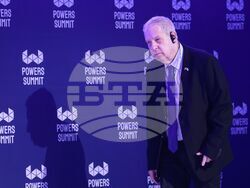
Maj. Gen. (ret.) Giora Eiland, former head of Israel’s National Security Council, reflected on the persistent human tendency to repeat strategic mistakes. Despite centuries of technological, demographic and geopolitical change, he said, one constant remains: human nature. This, he warned, is why nations often fall into the same traps despite historical lessons.
Col. Nikolay Nikolov, National Armaments Director, said Bulgaria’s defence industry has strong capabilities but cannot meet the full spectrum of the armed forces’ needs. Industrial cooperation is therefore a core priority. He noted that the Ministry of Defence relies heavily on the state-owned TEREM group and said Bulgaria's SAFE plan consists of nine priority projects aligned with EU defence-industry goals.
Mihail Petrov, CEO of Schwarz IT Bulgaria, said cyberattacks, deepfakes and social-media manipulation are inexpensive but highly disruptive, underscoring the urgent need for digital sovereignty in Europe. AI, he noted, is trained on vast quantities of data - yet Europeans routinely send this data to non-European platforms such as Google and Meta. This, he warned, effectively fuels other nations’ AI capabilities at Europe’s expense.
Dimitar Naydenov of Japan Tobacco International Bulgaria stressed that sustainability, security and trust are critical for both business and public institutions. He noted that Bulgaria has the lowest rate of illicit tobacco consumption in the EU - under 3% - thanks to consistent government efforts. This, he said, brings higher budget revenues, reduces criminal activity and strengthens public security, with excise income expected to surpass BGN 4 billion this year.
Health economist Arkadi Sharkov of the Expert Club for Economics and Politics, and co-founder of Health Metrics, warned that Bulgaria’s healthcare system is under severe strain. He noted that Bulgaria contributes only 8% of income to health insurance, compared to 11–13% in most EU states, while out-of-pocket payments are twice the European average. Shortages and ageing among medical staff further weaken the system. Without action, he said, Bulgaria could lose BGN 50 billion by 2040, while waiting times for procedures could increase by up to 80%. Healthcare, he stressed, must be treated as a priority and as part of national security.
Dimitar Marinov, Chair of the Bulgarian Pharmaceutical Union, said it is paradoxical that the same issues are discussed every year with no meaningful change. The system, he argued, suffers from weak prevention, late diagnosis, demographic pressures and financial fragility. Despite having one of the highest numbers of qualified pharmacists in Europe, younger professionals avoid working in pharmacies. Marinov said pharmacies face barriers in accessing medicines and called for clear legislation that allows them to carry out health-promotion activities.
Dr. Svetoslav Tsenov, Executive Director for Astellas in Bulgaria, Hungary, Romania and Greece, said a healthy individual is society’s most valuable asset. Bulgaria loses nearly €1 billion annually due to chronic diseases, he noted, and lacks real population-level screening programmes. Countries that invest in prevention see stronger economic growth, while businesses in others “pay the bill.” Tsenov urged tax incentives for employers to fund preventive care and stressed that healthcare reform cannot be improvised during the budget process.
Andrei Markov, Deputy Chair of the Bulgarian Hospital Association, said the data clearly show that the health system no longer meets the needs of the population. Many Bulgarians travel abroad for preventive care and treatment, he noted, while the draft budget once again leaves healthcare behind. Prevention cannot rely solely on the state, he added - in practice, only insurers and large companies organize screenings for employees. Markov argued for a second pillar of health insurance, warning that payment models such as “flat-rate” salaries distort the system.
Deyan Denev, Executive Director of the Association of Research-Based Pharmaceutical Manufacturers in Bulgaria, said the health system is suffocating under rising expectations and limited resources. Access to modern therapies is improving, he noted, but the National Health Insurance Fund cannot cover all prescribed treatments. Nearly 40 new EU-approved medicines are not reimbursed in Bulgaria. Without additional funding, he warned, Bulgaria risks losing the progress made so far and being bypassed by innovation. He urged rapid introduction of national screening programmes and smarter investment of new resources.
Dr. Slaveyko Djambazov presented European data showing Bulgaria ranks last in the Health System Readiness Index. Low investment, inadequate early diagnosis, slow introduction of innovation and an ageing population all drag the system down. Speakers emphasized the high economic return of early treatment and prevention.
Milena Organdzhieva, Managing Director of MSD for Bulgaria and the Western Balkans, noted that “one euro invested in prevention returns forty.” Roche Bulgaria’s Simon Duchateau and Novo Nordisk Pharma’s Rabia Demet Ozcan said investment in healthcare boosts productivity, reduces disability and mortality, and strengthens economic stability. Özcan warned that unpredictable reimbursement mechanisms hinder innovation. The pharmaceutical industry representatives called for long-term planning, stronger public-private partnerships and technology assessments that factor in the societal value of prevention.
Verzhinia Dzhevelekova, Head of Public Relations at Philip Morris Bulgaria, highlighted the alarming rise in tobacco and nicotine use among minors. She said 27% of 13- to 15-year-olds use such products, and 60% can buy them freely. Calling this an “enormous problem,” she reaffirmed the company’s stance of “zero tolerance” for underage access and presented a national campaign that reached over 11,000 retail outlets with materials and instructions to verify customers’ age.
Vasil Pandov MP of Continue the Change – Democratic Bulgaria said the system is “to a large extent broken,” and debates at the forum echo previous years — a sign that little is changing. He criticized the lack of meaningful reform in the NHIF’s draft budget and said unregulated practices erode trust, deepen inequity in access and increase patients’ financial burden. The state must intervene decisively to address staffing shortages and ensure fair remuneration for medical professionals, he added.
MP Alexander Simidchiev of Continue the Change - Democratic Bulgaria said a health strategy only works when progress is measured continuously. Simply injecting more money does not help, he noted, pointing out that the budget of the National Health Insurance Fund has risen by more than 200% without measurable improvement. Prevention must become the core principle of reform, he said. Sustainable policy requires stability and cross-party consensus, as the necessary changes already appear in the programmes of multiple parties.
Deputy Health Minister Dobromira Kareva said the Ministry is committed to long-term, preventive health policies, but some measures require time. She highlighted the new HPV primary-prevention programme offering free vaccination for both girls and boys, the expanded flu-vaccination programme for seniors, and free pertussis vaccination for pregnant women. New screenings for colorectal and cervical cancer are set to begin, and 100 outpatient centres will be built in underserved areas using EU recovery funds. An integrated system to track medical personnel in real time is being introduced, while training places for nurses and residents have been significantly increased. Kareva said these steps will improve access, strengthen early diagnosis and help address critical workforce shortages.
/NF/
Additional



news.modal.image.header
news.modal.image.text
news.modal.download.header
news.modal.download.text
news.modal.header
news.modal.text