site.btaThe Special Case of Cyprus
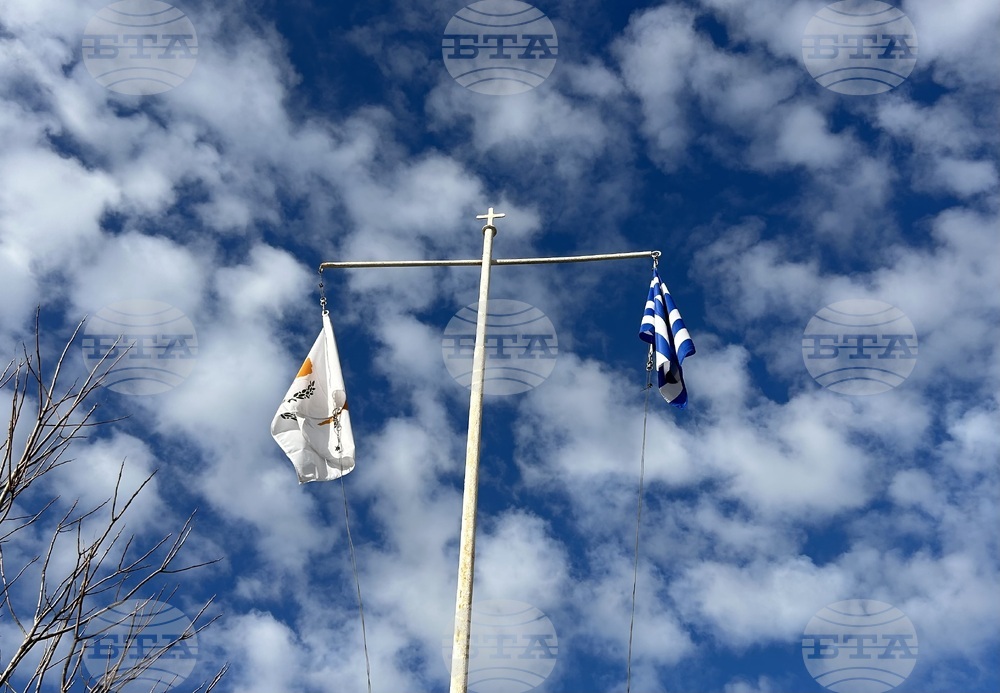
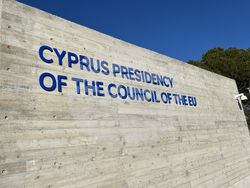
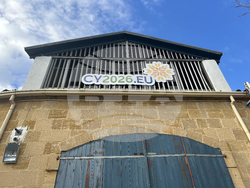
Situated at the crossroads of three continents and forcibly divided half a century ago, Cyprus took on the six-month rotating presidency of the Council of the EU for the second time at the beginning of January. Drawing on the wisdom of experience, the Cypriot Presidency today has set itself achievable goals – to move negotiations between European states forward on pressing issues, but not to seek tangible progress towards reunification within such a short time frame.
Fifty-one years ago, on July 21, 1974, Turkiye invaded Cyprus following tensions between the Greek and Turkish ethnic communities and an attempted coup supported by Athens. An occupation followed that continues to this day, and the events left thousands dead and tens of thousands displaced on both sides. In 2012, during its first presidency of the Council of the EU, Cyprus sought to secure a solution to this problem within six months. Today, the issue is no longer even mentioned in political speeches, having been eclipsed by questions of security, illegal migration, the economic situation and, above all, the continuation of assistance to Ukraine.
“No one understands Ukraine better than we do – Cyprus is the only EU country under foreign occupation,” Cypriot President Nikos Christodoulides said at a meeting with a group of European journalists who had arrived in the country at the government’s invitation to learn first-hand about Nicosia’s intentions for the coming months. Cyprus also plays a key role in mitigating the consequences of another conflict – that in Gaza. Over the past year, all maritime shipments of humanitarian aid to the population of the Gaza Strip have passed through Cyprus, where donations are inspected with the assistance of Israeli authorities before being cleared for delivery to recipients.
The pain of the island’s division remains visible. Conversations with local residents confirm both the desire and the hope that reunification will one day take place, as well as the conviction that, if it depended solely on them, it would have happened long ago. A recent change of leadership in the northern Turkish-controlled part and the launch of new talks with the government of the southern Republic of Cyprus have given fresh impetus to these hopes.
The entire island of Cyprus has been part of the EU since 2004, but additional provisions stipulate that EU law applies only in the south until the state’s territorial integrity is restored. Further questions surrounding this status arise today in connection with Nicosia’s bid to join the Schengen Area. The President and his aides expect the European Commission to confirm by the end of 2026 that the country is ready, after which political approval will be required from all other EU members. According to Christodoulides, accession to Schengen will not change travel possibilities between the two parts of the island – a decisive issue for many people who live in the north and work in the south. The country has also not abandoned hope of joining NATO, a path that remains blocked by Turkiye’s opposition. Recently, the Cypriot President pledged that Nicosia would support Ankara’s EU aspirations if Cyprus were, in return, admitted to the Alliance. Turkish President Recep Tayyip Erdogan, however, holds a different view – one of establishing two separate states, meaning international recognition of the consequences of the occupation.
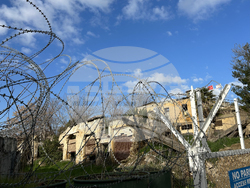
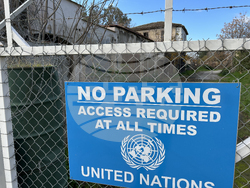
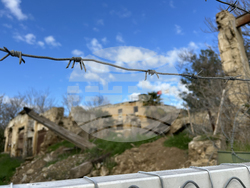
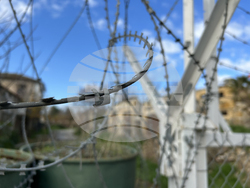
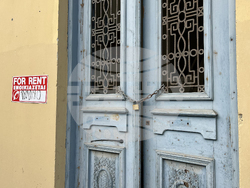
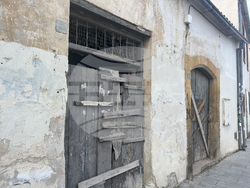
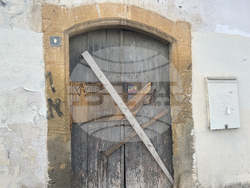
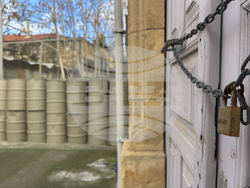
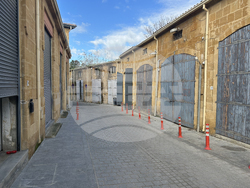
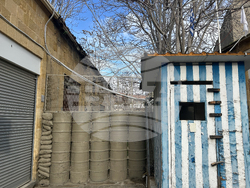
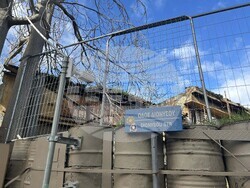
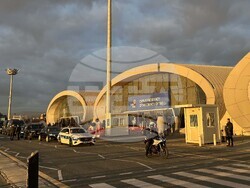
Until a solution is reached, Cyprus remains marked by the scars of the island’s division. In the north, depopulation has created a striking picture of decay and stagnation. The most advantaged appear to be the street cats – held in high regard in Cyprus – which alone move freely through the spaces of the buffer zone, amid dead-end streets tightly guarded by armed, masked soldiers and lined with barbed wire.
/KK/
Additional







news.modal.image.header
news.modal.image.text
news.modal.download.header
news.modal.download.text
news.modal.header
news.modal.text