Wrap up
![Vratsa Forum Discusses April Uprising and Botev’s Legacy]()
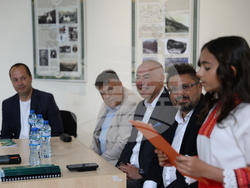
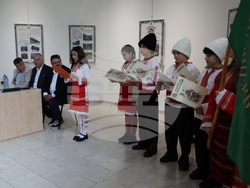
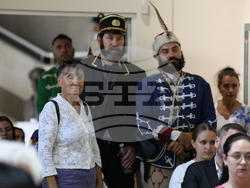
![Vratsa Forum Discusses April Uprising and Botev’s Legacy]() Artistic performance at the opening of a discussion at the Regional History Museum, Vratsa, May 31, 2026 (BTA Photo/Lyubomira Filipova)
Artistic performance at the opening of a discussion at the Regional History Museum, Vratsa, May 31, 2026 (BTA Photo/Lyubomira Filipova)
![Враца - музей - Априлско въстание - Христо Ботев - дискусия]()
![Враца - музей - Априлско въстание - Христо Ботев - дискусия]()
![Враца - музей - Априлско въстание - Христо Ботев - дискусия]()
![Враца - музей - Априлско въстание - Христо Ботев - дискусия]()
![Враца - музей - Априлско въстание - Христо Ботев - дискусия]()
![Враца - музей - Априлско въстание - Христо Ботев - дискусия]()
![Враца - музей - Априлско въстание - Христо Ботев - дискусия]()
![Враца - музей - Априлско въстание - Христо Ботев - дискусия]()
![Враца - музей - Априлско въстание - Христо Ботев - дискусия]()
![Враца - музей - Априлско въстание - Христо Ботев - дискусия]()
![Враца - музей - Априлско въстание - Христо Ботев - дискусия]()
![Враца - музей - Априлско въстание - Христо Ботев - дискусия]()
![Враца - музей - Априлско въстание - Христо Ботев - дискусия]()
![Враца - музей - Априлско въстание - Христо Ботев - дискусия]()
![Враца - музей - Априлско въстание - Христо Ботев - дискусия]()
![Враца - музей - Априлско въстание - Христо Ботев - дискусия]()
![Враца - музей - Априлско въстание - Христо Ботев - дискусия]()
![Враца - музей - Априлско въстание - Христо Ботев - дискусия]()
![Враца - музей - Априлско въстание - Христо Ботев - дискусия]()
![Враца - музей - Априлско въстание - Христо Ботев - дискусия]()
![Враца - музей - Априлско въстание - Христо Ботев - дискусия]()
![Враца - музей - Априлско въстание - Христо Ботев - дискусия]()
![Враца - музей - Априлско въстание - Христо Ботев - дискусия]()
![Враца - музей - Априлско въстание - Христо Ботев - дискусия]()
![Враца - музей - Априлско въстание - Христо Ботев - дискусия]()
![Враца - музей - Априлско въстание - Христо Ботев - дискусия]()
![Враца - музей - Априлско въстание - Христо Ботев - дискусия]()
![Враца - музей - Априлско въстание - Христо Ботев - дискусия]()
![Враца - музей - Априлско въстание - Христо Ботев - дискусия]()
![Враца - музей - Априлско въстание - Христо Ботев - дискусия]()
![Враца - музей - Априлско въстание - Христо Ботев - дискусия]()
site.btaVratsa Forum Discusses April Uprising and Botev’s Legacy
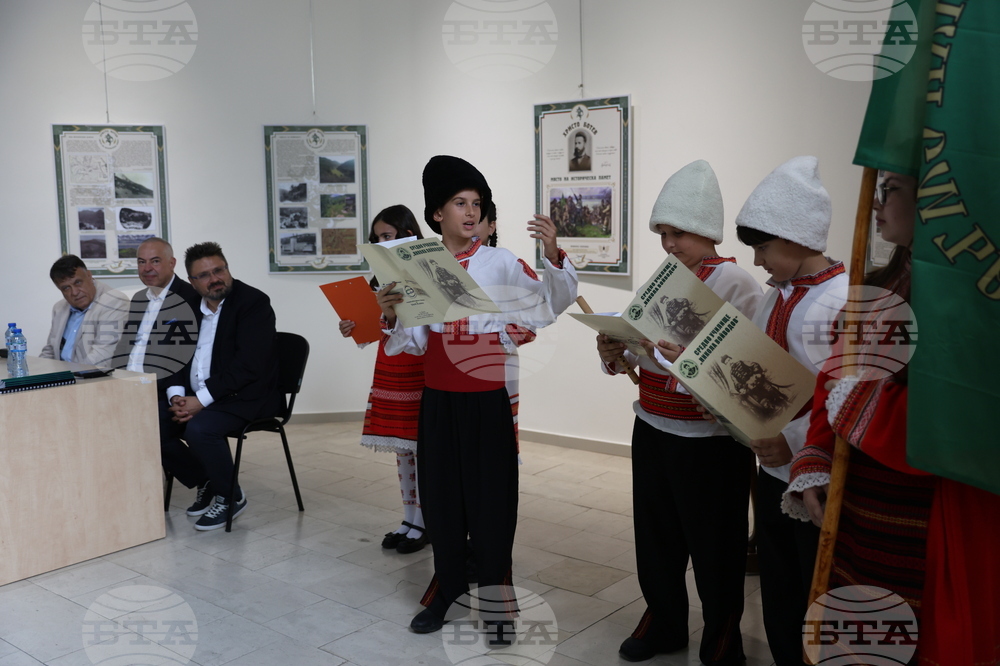
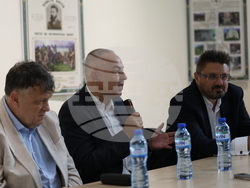
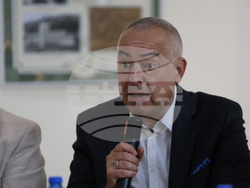
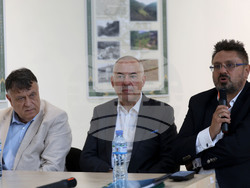
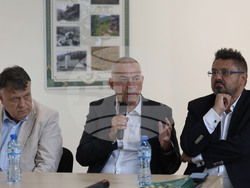
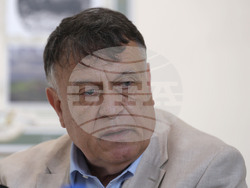
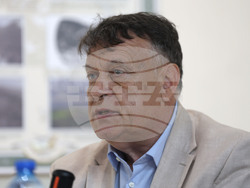
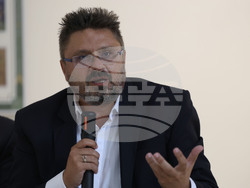
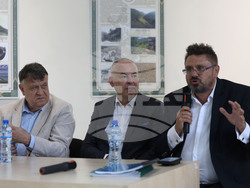
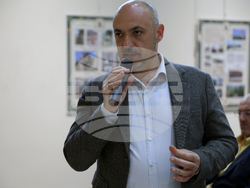
A discussion on the 150th anniversaries of the April Uprising and the heroic deed of Hristo Botev and his detachment was held at the Regional History Museum in Vratsa on Sunday. Guests included Education and Science Minister Georgi Valchev, BTA Director General Kiril Valchev and Bulgarian National Television’s current affairs programme Panorama host and producer Boyko Vassilev.
The forum was opened by Vratsa Mayor Kalin Kamenov, who said that, starting Sunday evening, a BTA film would be screened on the water mirror behind the Hristo Botev monument. The film is dedicated to material kept in the Agency’s archives about the Kozloduy to Okolchitsa National Tourist March from 1946 to the present.
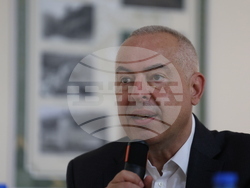
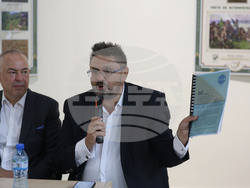
The discussion was hosted by Vassilev, who recalled that the April Uprising opened the road to Liberation through Bulgarians’ own blood and their own efforts.
“The energy for building is awakening in Bulgaria, and the time has come to show the true face of our country,” Georgi Valchev said in his address, while Kiril Valchev said that Bulgaria needs journalism like Botev’s and knowledge of shared values.
During the discussion, the participants considered the importance of the April Uprising and the heroic deed of Hristo Botev and his detachment for the formation of Bulgarian national identity, Bulgaria’s place in European history, the possibility of making April 20 a national holiday, and the future of the Bulgarian school.
“The conversation about the Bulgarian school is still ahead of us. It has changed a great deal over the years, and both good and not so good things have happened. I hope that, together with colleagues, we will hold this conversation in a clear rhythm in the coming years. It is linked to the anthem, to the content of textbooks, and to the interpretation of many events in those textbooks,” Georgi Valchev said. In his words, restoring the alliance between the family and the school is also a key issue.
Asked whether Vratsa had been rehabilitated in relation to the April Uprising and Botev’s detachment, Vassilev said the city needed no rehabilitation. Through the dignified lives of its citizens, it had long given much to Bulgaria, Vassilev said. “We can rather look at the case of Vratsa in connection with the April Uprising not as a reason for reproach, but as a lesson,” Vassilev added. In his words, Bulgarians should look within themselves and avoid two things, the constant search for problems and guilt, and the opposite extreme, closing their eyes to the facts and excessive self-confidence.
“One must see both the good and the bad in every period,” Kiril Valchev said. Would Bulgaria have reached Botev without the groundwork laid by Sophronius of Vratsa, Valchev asked, adding that Bulgaria is free also because of what Vratsa did in crafts, trade and the church struggles, not only because of Botev.
Kiril Valchev recalled that these talks are part of the larger initiative 14 Centuries of Bulgaria in Europe by Bulgarian National Television, Bulgarian National Radio and BTA, supported by the Bulgarian Academy of Sciences and Sofia University.
“The idea is to mark notable anniversaries that show the European element in Bulgaria, with 632 being, despite all disputes, the first year documented in historical sources for the existence of a Bulgarian state on the European continent, Old Great Bulgaria of Khan Kubrat,” Kiril Valchev added.
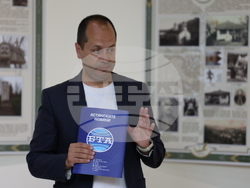
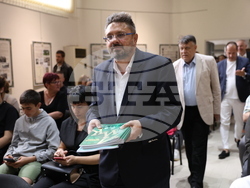
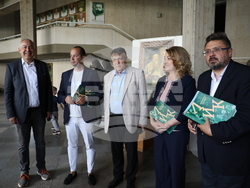
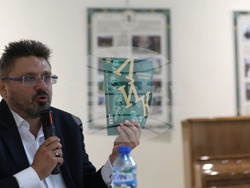
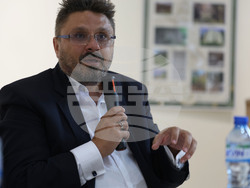
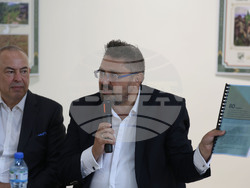
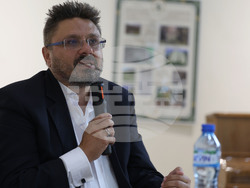
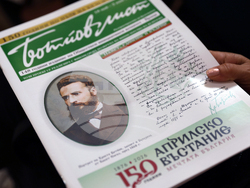
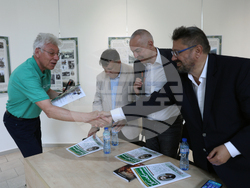
The guests received as a gift the latest issue of Bulgaria’s oldest periodical jubilee publication dedicated to Hristo Botev, the Botyov List newspaper, presented by its editor-in-chief Krasimir Grigorov.
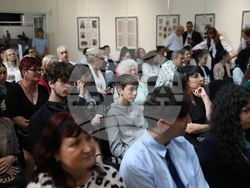
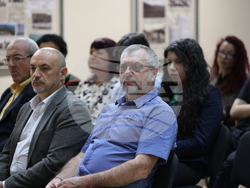
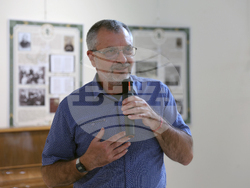
The discussion was attended by MPs, Vratsa Regional Governor Rosen Mihaylov, Vratsa Regional Department of Education Head Loreta Koleva, Regional History Museum in Vratsa Director Georgi Ganetsovski, students, history teachers, and representatives of educational and cultural institutions. The participants were greeted by students from Nikola Voyvodov Secondary School, who recited Hristo Botev’s poem Hayduti and Ivan Vazov’s Recollections from Batak.
/КТ/
Additional
news.modal.image.header
news.modal.image.text
news.modal.download.header
news.modal.download.text
news.modal.header
news.modal.text