site.btaBTA Director General Valchev: Bulgaria Needs Journalism Like Botev’s
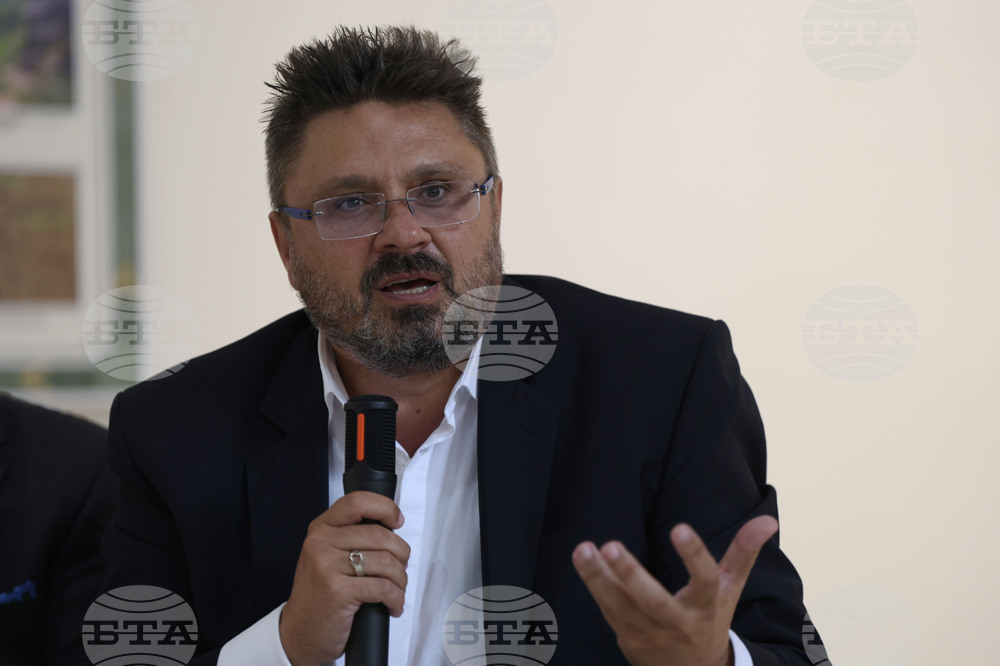
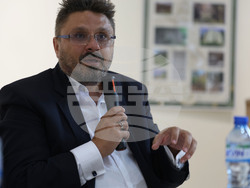
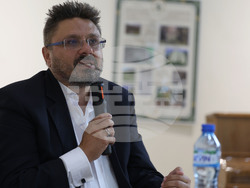
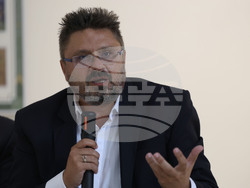
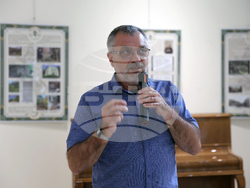
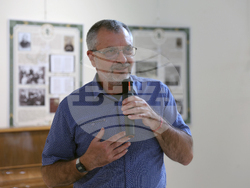
Bulgaria needs journalism like Hristo Botev’s and knowledge of its shared values, BTA Director General Kiril Valchev said on Sunday.
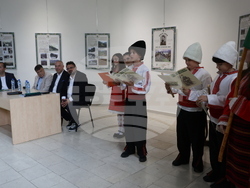
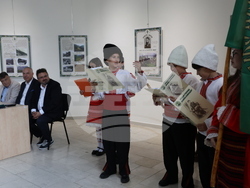
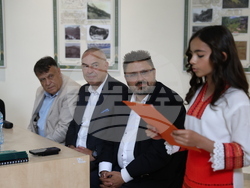
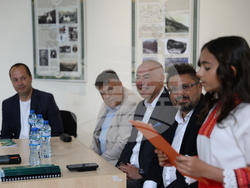
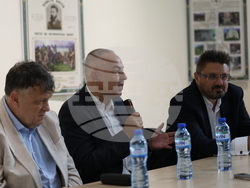
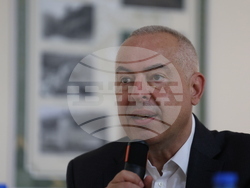
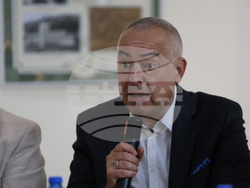
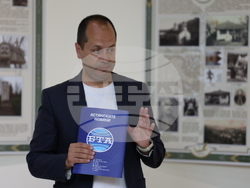
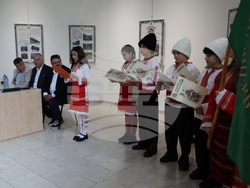
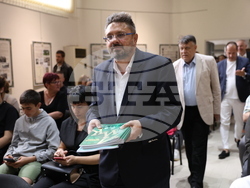
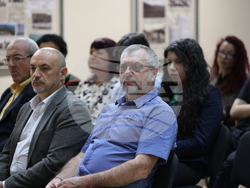
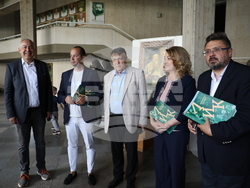
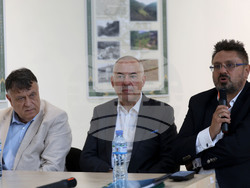
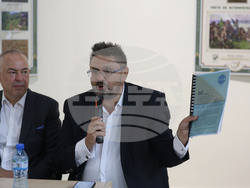
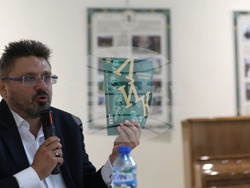
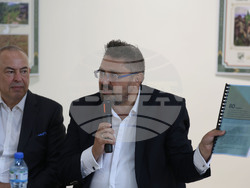
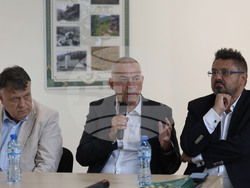
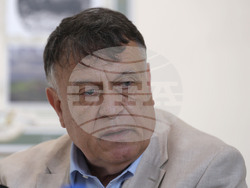
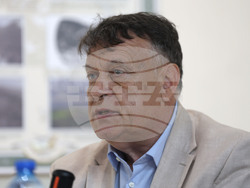
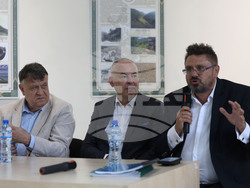
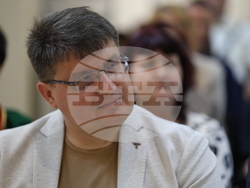
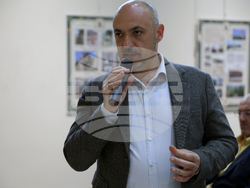
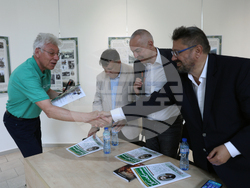
Valchev spoke at a Regional History Museum discussion on the 150th anniversaries of the April Uprising and Botev’s detachment. The forum also included Education and Science Minister Georgi Valchev, Bulgarian National Television’s current affairs programme Panorama host and producer Boyko Vassilev, public figures, scholars, teachers and representatives of institutions.
At the beginning of his address, Valchev thanked the education minister for supporting BTA’s initiative to organize a series of talks dedicated to 150 years since the April Uprising and the notable anniversaries. He recalled that the tour began in Giurgiu, the place where the decision to prepare the uprising was made, and then continued at the BTA regional press clubs in the towns that were centres of the revolutionary districts, including Vratsa.
“It is a very good sign that even after becoming minister, you did not forget the commitment we made in Vratsa in January, to return here and conclude the talks on Bulgarian territory,” Valchev told the education minister. He said the initiative will continue outside the country with discussions in Odesa, Bucharest and Belgrade, cities linked to the Bulgarian national liberation movement.
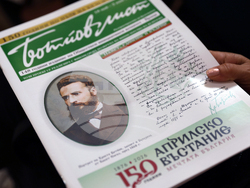
Valchev said the purpose of these meetings is to help society learn from history. He said the April issue of LIK magazine brings together both the most important points from the discussions held so far and archive materials from BTA’s collection.
“BTA has 5.2 million paper pages of news reports from 1898 to May 31, 2026, and about 2 million photographs. Since 2000, we have had just as many electronic news reports and photographs,” Valchev said.
He said two key social groups, teachers and journalists, are actively involved in the discussions and have a similar mission. “Through the newspapers he published, Botev taught Bulgarians about their present day. This remains the role of media and journalists to this day,” Valchev said. Valchev also spoke about the need to rethink the role of knowledge in the modern world of social media and artificial intelligence.
“The greatest challenge for every person is to learn what their duty is, what the meaning of their life is,” Valchev said, referring to Hristo Botev’s feuilleton On the Duties of Writers and Journalists and to the words from the hymn to Sts Cyril and Methodius, led unfailingly by duty.
Valchev also spoke about the challenges of the technological age, in which social media and artificial intelligence are changing the way knowledge is perceived. He said material thinking often displaces the spiritual. As an example, he cited Saturday’s meeting with the leaders of groups in the Kozloduy to Okolchitsa march, where conversations about food had displaced the expected discussions about poetry and inspiration. “Frankly, I expected that we would gather and there would be Botev poems and songs,” Valchev said.
“The most difficult lesson in these times, when we are surrounded by desired objects, is how to explain that the purpose of life is not to possess. These things are means, and a person must know what to use them for,” Valchev said.
Valchev also addressed the importance of free choice and knowledge of the shared values that bind society together. This, he said, is why the April Uprising and the heroic deed of Botev’s detachment remain important lessons for generations.
At the end of his address, Valchev focused on the state of the journalistic profession in Bulgaria. He said the country needs targeted policies to support journalism, including through higher pay, as well as better media literacy, which does not necessarily have to be taught as a separate subject but should be integrated into literature, history, geography and other disciplines. “Nowadays, anyone can try to be a journalist thanks to technology, but journalists and media bear responsibility. This is the big difference,” Valchev said.
“This is not like a Facebook influencer who writes something and says two hours later, ‘I got it wrong’,” Valchev said, adding that media bear a responsibility to society that cannot be replaced by spontaneous social media posts.
“If Bulgaria does not invest in its media and journalists, we risk becoming useless observers. Bulgaria has much to gain from journalism like Botev’s,” Valchev said.
/KT/
Additional


news.modal.image.header
news.modal.image.text
news.modal.download.header
news.modal.download.text
news.modal.header
news.modal.text