site.btaRoma Community Celebrates New Year on January 14
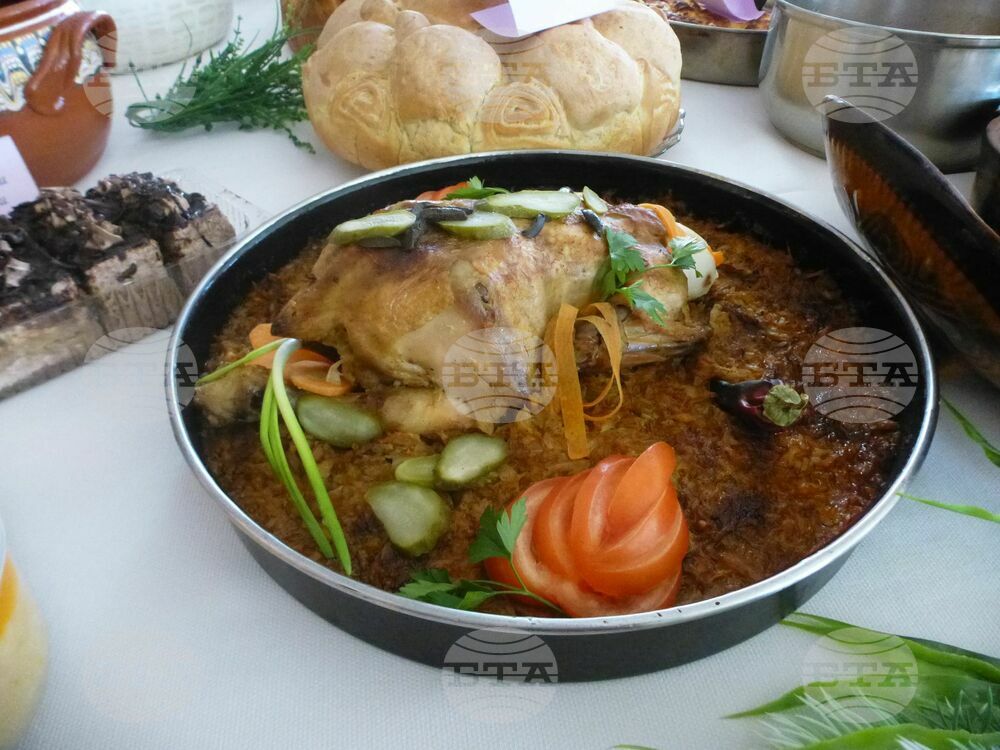
The Roma community celebrate their New Year, also known as Vasilitsa, Vasilyovden (Day of Basil) or Bango Vasil (Lame Vasil), on January 14.
The holiday is associated with two types of legend. In the first, Bango Vasil is Saint Basil, the patron saint and protector of the Roma. According to one legend, he rebuilt a bridge over which the Roma crossed after it had been destroyed either by the Devil or by God and saved the drowning Roma in the process. In the second type of legend, Bango Vasil is a historical figure. He was a limping shepherd who saved a Roma child from drowning or sheltered a Roma person who was fleeing from their enemies.
Bango Vasil is a family holiday. It is celebrated with a poultry dish, usually goose or rooster. The animal must be purchased by January 12 at the latest. On the morning of January 13, the goose or rooster is slaughtered. For all Roma, the dinner on the night against January 14 plays an important role. The table is set with the poultry dish, sarmi (stuffed cabbage leaves), banitsa (cheese pie) containing fortune slips, kulak (ritual bread), wine and rakia. The table is incensed and blessed, and everyone asks for forgiveness by kissing each other's hands. Afterwards, the eldest person takes the kulak and breaks it in two, saying: "Let's see who's luckier this year and who will feed the house." The first piece of the ritual bread is not eaten but wrapped up and placed under a pillow. It is believed that the dreams of the person sleeping on it will foretell what will happen in the coming year. Then either the mother breaks off pieces of the banitsa for the children, or the children try to take the largest possible piece. All houses where Bango Vasil is celebrated remain locked until midnight on January 13 to keep good fortune in.
It is only after the New Year begins that the Roma start to welcome guests in hopes that the first person to enter their home will be a good person who will bring them good luck. In the first minutes of January 14, a ritual called survakane begins where people are gently patted on the back with a decorated cornel twig to drive evil spirits away and ensure good health and fertility. In the next two days, people visit relatives and friends, greeting each other with "Bahtalo Vasilii".
/DD/
news.modal.header
news.modal.text