site.btaCoordination Centre on Euro Adoption Chief Ivanov: Checks Find No Breaches in Over 90%
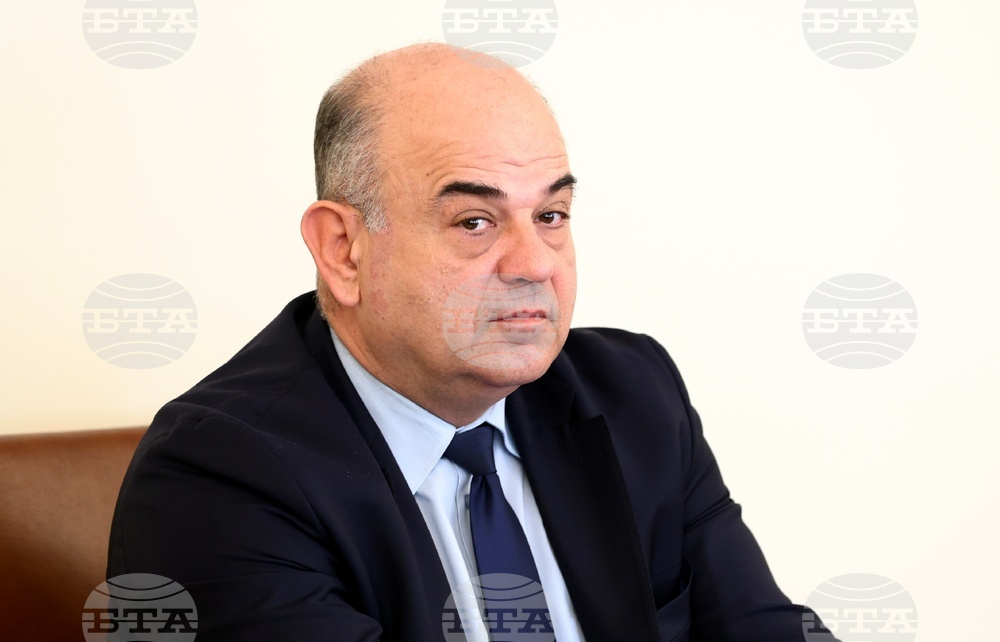
The process of adopting the euro in Bulgaria was going well, with inspectors finding no breaches in more than 90% of checks since January 1, Head of the Coordination Centre on Euro Adoption Vladimir Ivanov said in an appearance on bTV on Sunday.
Ivanov, who also chairs the State Commission for Commodity Exchanges and Wholesale Markets, said that the relevant institutions had received more than 1,500 calls from citizens since January 1.
He said that the market was functioning normally, but added that some uncertainty would persist and that some people remained concerned. He also stressed the need to improve financial literacy and provide clearer public information. That, he added, was precisely why the centre existed.
Ivanov said that hundreds of inspections had already been conducted since January 1, adding that checks were being carried out daily in more than 35 towns and cities nationwide. He also warned about misleading reports and urged political parties and non-governmental organizations opposed to the euro to ensure greater accuracy in the information they submit to the institutions responsible for market oversight.
Regarding last year’s price increases, Ivanov described services as a “problem area”, including hairdressers, car parks, garages and construction, where the Centre would focus its efforts, as he said businesses there were more likely to “round up” in breach of the law. He said the situation was different in food retail: according to Ivanov, all the major players in Bulgaria’s retail market, eager to protect their reputations, were rounding in consumers’ favour rather than against them. He concluded by saying that 2025 could be a year of market stabilization.
Ivanov said the transition to the euro in the banking sector had gone “almost perfectly.” “The banking system performed very well, and we can only congratulate and applaud Mr [Dimitar] Radev [Governor of the Bulgarian National Bank and a member of the Governing Council of the European Central Bank],” Ivanov said. He added that no bank was currently experiencing any problems and that any disruptions, if they occurred at all, were minor and technical.
Ivanov said the Coordination Centre was intended to provide timely information while also ensuring oversight, reporting on oversight results, and monitoring the volume and quality of information flows. He added that disinformation was currently widespread and that people had the right to accurate information so they are not misled. He said the Centre would include deputy ministers from the Ministry of Interior, the Ministry of Transport and Communications, and the Ministry of Finance, and the leadership of the State Agency for National Security, the Commission for Consumer Protection, the National Revenue Agency, the Customs Agency, and the Bulgarian Food Safety Agency, along with the regional governors.
Since January 1, 2026, Bulgaria has been using the euro as its official currency, becoming the 21st member of the euro area. A dual-circulation period runs through January 31, with the euro becoming the sole legal tender from February 1, while dual price display continues until August 8, 2026.
Accounts, deposits, loans and other lev-denominated financial products were converted automatically into euro at the official conversion rate, with no fees, and the Coordination Centre on the Euro Adoption began operating to coordinate controls, communication and problem-solving during the changeover period.
Operationally, the first days were marked by stable payment and cash infrastructure. Checks showed ATMs in Sofia dispensing euro banknotes after the overnight technical reconfiguration, with withdrawals thereafter to be in euro.
Payment service provider Borica reported over 933,000 POS and ATM transactions worth nearly EUR 42 million in the first 48 hours (January 1–2), with cashless payments dominating by number and ATM withdrawals/deposits dominating by value, describing this as the first major “stress test” of euro transactions.
The first successful euro withdrawal was recorded 20 seconds after midnight (at an ATM in Sunny Beach), alongside other early euro transactions via Borica’s infrastructure.
The Association of Banks in Bulgaria said account balances were converted automatically and noted that banks, after extensive IT adaptation, are exchanging lev cash into euro free of charge until the end of June, while the Bulgarian National Bank (BNB) will exchange indefinitely.
BNB Governing Council member Iliya Lingorski said payment systems and POS terminals were operating normally, pointed to large volumes of cash being withdrawn from circulation ahead of the switch, and described the banking sector as highly liquid, suggesting no abrupt changes in retail deposit and lending rates.
Alongside the operational switch, authorities intensified market oversight: the National Revenue Agency reported around 400 inspections per day to check receipt formatting, compliance and unjustified price rises, while the Consumer Protection Commission said early complaints were limited and focused mainly on acceptance of the two currencies and change-giving.
/КТ/
news.modal.header
news.modal.text