site.btaTrade Union Leader: Bulgaria Provides Strong Labour Protection
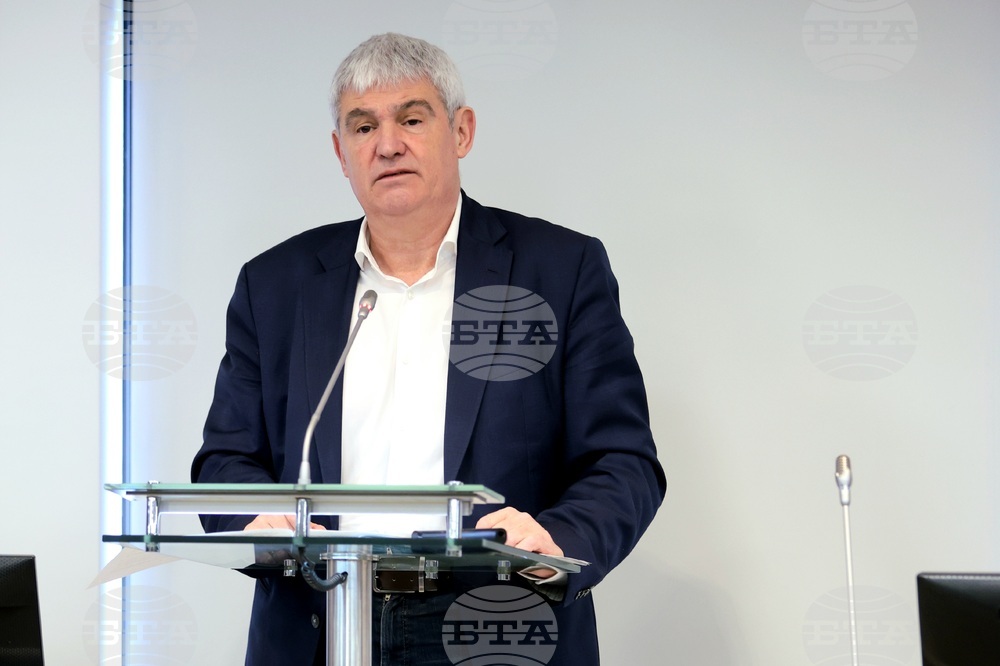
Bulgaria has labour legislation that provides strong protection for workers compared with other Eastern European countries and the European Union, the Confederation of Independent Trade Unions in Bulgaria (CITUB) President Plamen Dimitrov said on the occasion of the union’s 36th anniversary on February 17. Over the past 36 years, CITUB has worked to gain public trust and to promote decisions benefiting people, particularly in economic and social terms, he said.
Dimitrov noted that there had been both successes and setbacks in efforts to improve labour rights and legislation. He added that Bulgaria remains the poorest EU country despite incomes doubling over the past five to six years. As an example, he cited the minimum wage increase to EUR 620.20 as of January 1, 2026, compared with just over BGN 600 after the COVID-19 pandemic. Average incomes have also risen significantly, he said.
CITUB expects the procedure for drafting and adopting the 2026 state budget to begin so that demands for higher public-sector wages can be submitted, Dimitrov said, adding that a regular budget could be adopted by mid-year. Until then, another extension of the current budget will likely be needed in March. The union’s minimum demand was a 10% wage increase, or about EUR 1 billion in additional funding, while the currently planned 5% rise does not cover all sectors, he noted, adding that employees in education, science, municipal healthcare and culture may not receive sufficient increases.
Due to the lack of wage growth, higher electricity bills at the start of the year and rising consumer prices, Dimitrov forecast growing social tensions. He also commented on proposals to guarantee Christmas and Easter pension supplements by law, saying such payments should target pensioners below the poverty line and be financed directly from the state budget rather than social security contributions.
From the outset, CITUB has supported Bulgaria’s membership in the euro area, mainly because of wage growth observed in countries that adopted the euro, Dimitrov said. However, purchasing power and price levels are equally important, he added, noting that CITUB’s small consumer basket of 20 essential goods rose by 3.6%. Dairy products in Bulgaria have long been more expensive than in other European countries, which he attributed to unfair practices rather than the euro. Inspections and sanctions against unjustified price increases should continue, he said, adding that regulators must restore public trust. He also praised the Bulgarian National Bank and commercial banks for handling the currency changeover process "brilliantly".
On the labour market, Dimitrov called for discussion of proposed amendments to the Labour Migration and Labour Mobility Act, which were published for public consultation without review by the relevant advisory council. He warned that increasing quotas could lead to liberalization allowing the import of workers without permanent employment. CITUB is not opposed to hiring foreign workers where businesses need them, but such policies should not undermine the domestic labour market or create conditions for wage dumping, he said. Workers from third countries should have permanent employment to guarantee their rights. Dimitrov also suggested using opportunities among Bulgarian communities in Ukraine and Moldova, saying people with Bulgarian identity could contribute to lasting demographic and economic growth.
/NF/
news.modal.header
news.modal.text