site.btaUPDATED National Social Security Institute Unanimously Approves 2026 State Social Security Budget
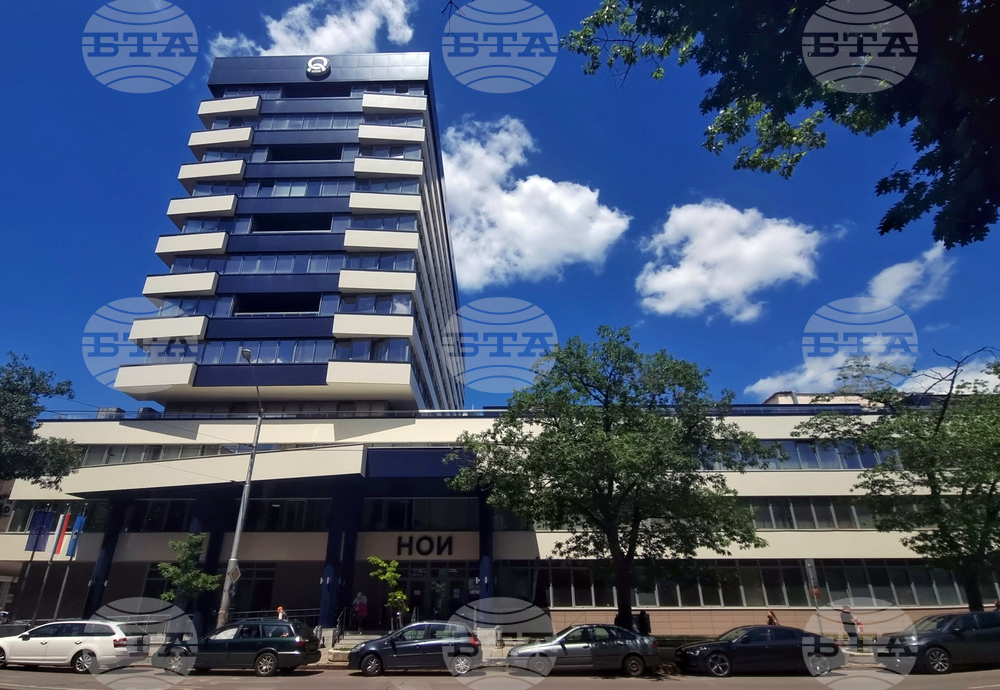
The Supervisory Board of the National Social Security Institute (NSSI) unanimously approved the draft budget of the State Social Security for 2026, Deputy Chair of the Bulgarian Industrial Association, Maria Mincheva, and Podkrepa Labour Confederation President Dimitar Manolov said on Sunday. They spoke to the media after the NSSI Supervisory Board meeting.
Before the meeting, Social Minister Borislav Gutsanov said that social benefits will remain unchanged next year and the shortfall from keeping the pension fund contribution rate flat will be offset through budget restructuring. Podkrepa Labour Confederation President Dimitar Manolov said that he is dissatisfied with the freeze on unemployment benefits and maternity payments but “there is no other option”.
The Ministry of Finance has already published the main parameters of the revised state budget for next year on its website.
According to the plan, starting January 1, 2027, the contribution rate to the State Social Security Pension Fund will increase by one percentage point, and by two percentage points from January 1, 2028. The minimum social insurance income for self-employed persons will rise to EUR 620.20 from January 1, 2026. The maximum social insurance income for all insured persons will increase to EUR 2,300 in 2026, EUR 2,505 in 2027, and EUR 2,659 in 2028.
From January 1, 2026, the minimum monthly wage will also be set at EUR 620.20. Next year, the government plans to maintain its current income policy for teaching staff in the pre-school and school education system.
Mincheva noted that 2026 budget will not include an increase in the pension contribution. “When we change key parameters of the system, we want to understand how these changes will affect it in the long term. It is important for us to look at all three pillars – the State Social Security, the occupational pension funds, and the voluntary private pensions – as a whole, and to see how measures will develop the system so that it works for everyone,” she said. According to her, any increase in the pension contribution in 2027 and 2028, as outlined in the three-year forecast, is a matter for debate once the roadmap is presented. “There must be political consensus and a clear vision for moving forward. It is not enough to agree only on the contribution rate, because public tension will continue to grow over the years. People will say they are paying more into the system, but what do they get in return?,” Mincheva explained.
/NF/
news.modal.header
news.modal.text