Wrap-up
![Русе - Пантеон на възрожденците]()
![Русе - Пантеон на възрожденците]()
![Русе - Пантеон на възрожденците]()
![Русе - Пантеон на възрожденците]()
![Русе - Пантеон на възрожденците]()
![Русе - Пантеон на възрожденците]()
![Русе - Пантеон на възрожденците]()
![Русе - Пантеон на възрожденците]()
![Русе - Пантеон на възрожденците]()
![Русе - Пантеон на възрожденците]()
![Русе - Пантеон на възрожденците]()
![Русе - Пантеон на възрожденците]()
![Русе - Пантеон на възрожденците]()
![Русе - Пантеон на възрожденците]()
![Русе - Пантеон на възрожденците]()
![Русе - Пантеон на възрожденците]()
![Русе - Пантеон на възрожденците]()
![Русе - Пантеон на възрожденците]()
![Национален пресклуб на БТА в Русе - конференция на тема "150 години от Априлското въстание – 1876 г., и отбелязване на взетото през декември 1875 г. решение за обявяване на въстание от Гюргевския революционен комитет"]()
![Национален пресклуб на БТА в Русе - конференция на тема "150 години от Априлското въстание – 1876 г., и отбелязване на взетото през декември 1875 г. решение за обявяване на въстание от Гюргевския революционен комитет"]()
![Национален пресклуб на БТА в Русе - конференция на тема "150 години от Априлското въстание – 1876 г., и отбелязване на взетото през декември 1875 г. решение за обявяване на въстание от Гюргевския революционен комитет"]()
![Национален пресклуб на БТА в Русе - конференция на тема "150 години от Априлското въстание – 1876 г., и отбелязване на взетото през декември 1875 г. решение за обявяване на въстание от Гюргевския революционен комитет"]()
![Национален пресклуб на БТА в Русе - конференция на тема "150 години от Априлското въстание – 1876 г., и отбелязване на взетото през декември 1875 г. решение за обявяване на въстание от Гюргевския революционен комитет"]()
![Национален пресклуб на БТА в Русе - конференция на тема "150 години от Априлското въстание – 1876 г., и отбелязване на взетото през декември 1875 г. решение за обявяване на въстание от Гюргевския революционен комитет"]()
![Национален пресклуб на БТА в Русе - конференция на тема "150 години от Априлското въстание – 1876 г., и отбелязване на взетото през декември 1875 г. решение за обявяване на въстание от Гюргевския революционен комитет"]()
![Национален пресклуб на БТА в Русе - конференция на тема "150 години от Априлското въстание – 1876 г., и отбелязване на взетото през декември 1875 г. решение за обявяване на въстание от Гюргевския революционен комитет"]()
![Национален пресклуб на БТА в Русе - конференция на тема "150 години от Априлското въстание – 1876 г., и отбелязване на взетото през декември 1875 г. решение за обявяване на въстание от Гюргевския революционен комитет"]()
![Национален пресклуб на БТА в Русе - конференция на тема "150 години от Априлското въстание – 1876 г., и отбелязване на взетото през декември 1875 г. решение за обявяване на въстание от Гюргевския революционен комитет"]()
![Национален пресклуб на БТА в Русе - конференция на тема "150 години от Априлското въстание – 1876 г., и отбелязване на взетото през декември 1875 г. решение за обявяване на въстание от Гюргевския революционен комитет"]()
![Национален пресклуб на БТА в Русе - конференция на тема "150 години от Априлското въстание – 1876 г., и отбелязване на взетото през декември 1875 г. решение за обявяване на въстание от Гюргевския революционен комитет"]()
![Национален пресклуб на БТА в Русе - конференция на тема "150 години от Априлското въстание – 1876 г., и отбелязване на взетото през декември 1875 г. решение за обявяване на въстание от Гюргевския революционен комитет"]()
![Национален пресклуб на БТА в Русе - конференция на тема "150 години от Априлското въстание – 1876 г., и отбелязване на взетото през декември 1875 г. решение за обявяване на въстание от Гюргевския революционен комитет"]()
![Национален пресклуб на БТА в Русе - конференция на тема "150 години от Априлското въстание – 1876 г., и отбелязване на взетото през декември 1875 г. решение за обявяване на въстание от Гюргевския революционен комитет"]()
![Национален пресклуб на БТА в Русе - конференция на тема "150 години от Априлското въстание – 1876 г., и отбелязване на взетото през декември 1875 г. решение за обявяване на въстание от Гюргевския революционен комитет"]()
![Национален пресклуб на БТА в Русе - конференция на тема "150 години от Априлското въстание – 1876 г., и отбелязване на взетото през декември 1875 г. решение за обявяване на въстание от Гюргевския революционен комитет"]()
![Национален пресклуб на БТА в Русе - конференция на тема "150 години от Априлското въстание – 1876 г., и отбелязване на взетото през декември 1875 г. решение за обявяване на въстание от Гюргевския революционен комитет"]()
![Национален пресклуб на БТА в Русе - конференция на тема "150 години от Априлското въстание – 1876 г., и отбелязване на взетото през декември 1875 г. решение за обявяване на въстание от Гюргевския революционен комитет"]()
![Национален пресклуб на БТА в Русе - конференция на тема "150 години от Априлското въстание – 1876 г., и отбелязване на взетото през декември 1875 г. решение за обявяване на въстание от Гюргевския революционен комитет"]()
![Национален пресклуб на БТА в Русе - конференция на тема "150 години от Априлското въстание – 1876 г., и отбелязване на взетото през декември 1875 г. решение за обявяване на въстание от Гюргевския революционен комитет"]()
![Национален пресклуб на БТА в Русе - конференция на тема "150 години от Априлското въстание – 1876 г., и отбелязване на взетото през декември 1875 г. решение за обявяване на въстание от Гюргевския революционен комитет"]()
![Национален пресклуб на БТА в Русе - конференция на тема "150 години от Априлското въстание – 1876 г., и отбелязване на взетото през декември 1875 г. решение за обявяване на въстание от Гюргевския революционен комитет"]()
![Национален пресклуб на БТА в Русе - конференция на тема "150 години от Априлското въстание – 1876 г., и отбелязване на взетото през декември 1875 г. решение за обявяване на въстание от Гюргевския революционен комитет"]()
![Национален пресклуб на БТА в Русе - конференция на тема "150 години от Априлското въстание – 1876 г., и отбелязване на взетото през декември 1875 г. решение за обявяване на въстание от Гюргевския революционен комитет"]()
![Национален пресклуб на БТА в Русе - конференция на тема "150 години от Априлското въстание – 1876 г., и отбелязване на взетото през декември 1875 г. решение за обявяване на въстание от Гюргевския революционен комитет"]()
![Национален пресклуб на БТА в Русе - конференция на тема "150 години от Априлското въстание – 1876 г., и отбелязване на взетото през декември 1875 г. решение за обявяване на въстание от Гюргевския революционен комитет"]()
![Национален пресклуб на БТА в Русе - конференция на тема "150 години от Априлското въстание – 1876 г., и отбелязване на взетото през декември 1875 г. решение за обявяване на въстание от Гюргевския революционен комитет"]()
![Национален пресклуб на БТА в Русе - конференция на тема "150 години от Априлското въстание – 1876 г., и отбелязване на взетото през декември 1875 г. решение за обявяване на въстание от Гюргевския революционен комитет"]()
![Национален пресклуб на БТА в Русе - конференция на тема "150 години от Априлското въстание – 1876 г., и отбелязване на взетото през декември 1875 г. решение за обявяване на въстание от Гюргевския революционен комитет"]()
![Национален пресклуб на БТА в Русе - конференция на тема "150 години от Априлското въстание – 1876 г., и отбелязване на взетото през декември 1875 г. решение за обявяване на въстание от Гюргевския революционен комитет"]()
![Национален пресклуб на БТА в Русе - конференция на тема "150 години от Априлското въстание – 1876 г., и отбелязване на взетото през декември 1875 г. решение за обявяване на въстание от Гюргевския революционен комитет"]()
![Национален пресклуб на БТА в Русе - конференция на тема "150 години от Априлското въстание – 1876 г., и отбелязване на взетото през декември 1875 г. решение за обявяване на въстание от Гюргевския революционен комитет"]()
![Национален пресклуб на БТА в Русе - конференция на тема "150 години от Априлското въстание – 1876 г., и отбелязване на взетото през декември 1875 г. решение за обявяване на въстание от Гюргевския революционен комитет"]()
![Национален пресклуб на БТА в Русе - конференция на тема "150 години от Априлското въстание – 1876 г., и отбелязване на взетото през декември 1875 г. решение за обявяване на въстание от Гюргевския революционен комитет"]()
![Национален пресклуб на БТА в Русе - конференция на тема "150 години от Априлското въстание – 1876 г., и отбелязване на взетото през декември 1875 г. решение за обявяване на въстание от Гюргевския революционен комитет"]()
![Национален пресклуб на БТА в Русе - конференция на тема "150 години от Априлското въстание – 1876 г., и отбелязване на взетото през декември 1875 г. решение за обявяване на въстание от Гюргевския революционен комитет"]()
![Национален пресклуб на БТА в Русе - конференция на тема "150 години от Априлското въстание – 1876 г., и отбелязване на взетото през декември 1875 г. решение за обявяване на въстание от Гюргевския революционен комитет"]()
![Национален пресклуб на БТА в Русе - конференция на тема "150 години от Априлското въстание – 1876 г., и отбелязване на взетото през декември 1875 г. решение за обявяване на въстание от Гюргевския революционен комитет"]()
![Национален пресклуб на БТА в Русе - конференция на тема "150 години от Априлското въстание – 1876 г., и отбелязване на взетото през декември 1875 г. решение за обявяване на въстание от Гюргевския революционен комитет"]()
![Национален пресклуб на БТА в Русе - конференция на тема "150 години от Априлското въстание – 1876 г., и отбелязване на взетото през декември 1875 г. решение за обявяване на въстание от Гюргевския революционен комитет"]()
![Национален пресклуб на БТА в Русе - конференция на тема "150 години от Априлското въстание – 1876 г., и отбелязване на взетото през декември 1875 г. решение за обявяване на въстание от Гюргевския революционен комитет"]()
![Национален пресклуб на БТА в Русе - конференция на тема "150 години от Априлското въстание – 1876 г., и отбелязване на взетото през декември 1875 г. решение за обявяване на въстание от Гюргевския революционен комитет"]()
![Национален пресклуб на БТА в Русе - конференция на тема "150 години от Априлското въстание – 1876 г., и отбелязване на взетото през декември 1875 г. решение за обявяване на въстание от Гюргевския революционен комитет"]()
![Национален пресклуб на БТА в Русе - конференция на тема "150 години от Априлското въстание – 1876 г., и отбелязване на взетото през декември 1875 г. решение за обявяване на въстание от Гюргевския революционен комитет"]()
![Национален пресклуб на БТА в Русе - конференция на тема "150 години от Априлското въстание – 1876 г., и отбелязване на взетото през декември 1875 г. решение за обявяване на въстание от Гюргевския революционен комитет"]()
![Национален пресклуб на БТА в Русе - конференция на тема "150 години от Априлското въстание – 1876 г., и отбелязване на взетото през декември 1875 г. решение за обявяване на въстание от Гюргевския революционен комитет"]()
![Национален пресклуб на БТА в Русе - конференция на тема "150 години от Априлското въстание – 1876 г., и отбелязване на взетото през декември 1875 г. решение за обявяване на въстание от Гюргевския революционен комитет"]()
![Национален пресклуб на БТА в Русе - конференция на тема "150 години от Априлското въстание – 1876 г., и отбелязване на взетото през декември 1875 г. решение за обявяване на въстание от Гюргевския революционен комитет"]()
![Национален пресклуб на БТА в Русе - конференция на тема "150 години от Априлското въстание – 1876 г., и отбелязване на взетото през декември 1875 г. решение за обявяване на въстание от Гюргевския революционен комитет"]()
![Национален пресклуб на БТА в Русе - конференция на тема "150 години от Априлското въстание – 1876 г., и отбелязване на взетото през декември 1875 г. решение за обявяване на въстание от Гюргевския революционен комитет"]()
![Национален пресклуб на БТА в Русе - конференция на тема "150 години от Априлското въстание – 1876 г., и отбелязване на взетото през декември 1875 г. решение за обявяване на въстание от Гюргевския революционен комитет"]()
![Национален пресклуб на БТА в Русе - конференция на тема "150 години от Априлското въстание – 1876 г., и отбелязване на взетото през декември 1875 г. решение за обявяване на въстание от Гюргевския революционен комитет"]()
![Национален пресклуб на БТА в Русе - конференция на тема "150 години от Априлското въстание – 1876 г., и отбелязване на взетото през декември 1875 г. решение за обявяване на въстание от Гюргевския революционен комитет"]()
![Национален пресклуб на БТА в Русе - конференция на тема "150 години от Априлското въстание – 1876 г., и отбелязване на взетото през декември 1875 г. решение за обявяване на въстание от Гюргевския революционен комитет"]()
![Национален пресклуб на БТА в Русе - конференция на тема "150 години от Априлското въстание – 1876 г., и отбелязване на взетото през декември 1875 г. решение за обявяване на въстание от Гюргевския революционен комитет"]()
![Национален пресклуб на БТА в Русе - конференция на тема "150 години от Априлското въстание – 1876 г., и отбелязване на взетото през декември 1875 г. решение за обявяване на въстание от Гюргевския революционен комитет"]()
![Национален пресклуб на БТА в Русе - конференция на тема "150 години от Априлското въстание – 1876 г., и отбелязване на взетото през декември 1875 г. решение за обявяване на въстание от Гюргевския революционен комитет"]()
![Национален пресклуб на БТА в Русе - конференция на тема "150 години от Априлското въстание – 1876 г., и отбелязване на взетото през декември 1875 г. решение за обявяване на въстание от Гюргевския революционен комитет"]()
![Национален пресклуб на БТА в Русе - конференция на тема "150 години от Априлското въстание – 1876 г., и отбелязване на взетото през декември 1875 г. решение за обявяване на въстание от Гюргевския революционен комитет"]()
![Национален пресклуб на БТА в Русе - конференция на тема "150 години от Априлското въстание – 1876 г., и отбелязване на взетото през декември 1875 г. решение за обявяване на въстание от Гюргевския революционен комитет"]()
![Национален пресклуб на БТА в Русе - конференция на тема "150 години от Априлското въстание – 1876 г., и отбелязване на взетото през декември 1875 г. решение за обявяване на въстание от Гюргевския революционен комитет"]()
![Национален пресклуб на БТА в Русе - конференция на тема "150 години от Априлското въстание – 1876 г., и отбелязване на взетото през декември 1875 г. решение за обявяване на въстание от Гюргевския революционен комитет"]()
![Национален пресклуб на БТА в Русе - конференция на тема "150 години от Априлското въстание – 1876 г., и отбелязване на взетото през декември 1875 г. решение за обявяване на въстание от Гюргевския революционен комитет"]()
![Национален пресклуб на БТА в Русе - конференция на тема "150 години от Априлското въстание – 1876 г., и отбелязване на взетото през декември 1875 г. решение за обявяване на въстание от Гюргевския революционен комитет"]()
![Национален пресклуб на БТА в Русе - конференция на тема "150 години от Априлското въстание – 1876 г., и отбелязване на взетото през декември 1875 г. решение за обявяване на въстание от Гюргевския революционен комитет"]()
![Национален пресклуб на БТА в Русе - конференция на тема "150 години от Априлското въстание – 1876 г., и отбелязване на взетото през декември 1875 г. решение за обявяване на въстание от Гюргевския революционен комитет"]()
![Национален пресклуб на БТА в Русе - конференция на тема "150 години от Априлското въстание – 1876 г., и отбелязване на взетото през декември 1875 г. решение за обявяване на въстание от Гюргевския революционен комитет"]()
![Национален пресклуб на БТА в Русе - конференция на тема "150 години от Априлското въстание – 1876 г., и отбелязване на взетото през декември 1875 г. решение за обявяване на въстание от Гюргевския революционен комитет"]()
![Национален пресклуб на БТА в Русе - конференция на тема "150 години от Априлското въстание – 1876 г., и отбелязване на взетото през декември 1875 г. решение за обявяване на въстание от Гюргевския революционен комитет"]()
![Национален пресклуб на БТА в Русе - конференция на тема "150 години от Априлското въстание – 1876 г., и отбелязване на взетото през декември 1875 г. решение за обявяване на въстание от Гюргевския революционен комитет"]()
![Национален пресклуб на БТА в Русе - конференция на тема "150 години от Априлското въстание – 1876 г., и отбелязване на взетото през декември 1875 г. решение за обявяване на въстание от Гюргевския революционен комитет"]()
![Национален пресклуб на БТА в Русе - конференция на тема "150 години от Априлското въстание – 1876 г., и отбелязване на взетото през декември 1875 г. решение за обявяване на въстание от Гюргевския революционен комитет"]()
![Национален пресклуб на БТА в Русе - конференция на тема "150 години от Априлското въстание – 1876 г., и отбелязване на взетото през декември 1875 г. решение за обявяване на въстание от Гюргевския революционен комитет"]()
![Национален пресклуб на БТА в Русе - конференция на тема "150 години от Априлското въстание – 1876 г., и отбелязване на взетото през декември 1875 г. решение за обявяване на въстание от Гюргевския революционен комитет"]()
![Национален пресклуб на БТА в Русе - конференция на тема "150 години от Априлското въстание – 1876 г., и отбелязване на взетото през декември 1875 г. решение за обявяване на въстание от Гюргевския революционен комитет"]()
![Румъния - Гюргево - 150 години от Априлското въстание - инициативи]()
![Румъния - Гюргево - 150 години от Априлското въстание - инициативи]()
![Румъния - Гюргево - 150 години от Априлското въстание - инициативи]()
![Румъния - Гюргево - 150 години от Априлското въстание - инициативи]()
![Румъния - Гюргево - 150 години от Априлското въстание - инициативи]()
![Румъния - Гюргево - 150 години от Априлското въстание - инициативи]()
![Румъния - Гюргево - 150 години от Априлското въстание - инициативи]()
![Румъния - Гюргево - 150 години от Априлското въстание - инициативи]()
![Румъния - Гюргево - 150 години от Априлското въстание - инициативи]()
![Румъния - Гюргево - 150 години от Априлското въстание - инициативи]()
![Румъния - Гюргево - 150 години от Априлското въстание - инициативи]()
![Румъния - Гюргево - 150 години от Априлското въстание - инициативи]()
![Румъния - Гюргево - 150 години от Априлското въстание - инициативи]()
![Румъния - Гюргево - 150 години от Априлското въстание - инициативи]()
![Румъния - Гюргево - 150 години от Априлското въстание - инициативи]()
![Румъния - Гюргево - 150 години от Априлското въстание - инициативи]()
![Румъния - Гюргево - 150 години от Априлското въстание - инициативи]()
![Румъния - Гюргево - 150 години от Априлското въстание - инициативи]()
![Румъния - Гюргево - 150 години от Априлското въстание - инициативи]()
![Румъния - Гюргево - 150 години от Априлското въстание - инициативи]()
![Румъния - Гюргево - 150 години от Априлското въстание - инициативи]()
![Румъния - Гюргево - 150 години от Априлското въстание - инициативи]()
![Румъния - Гюргево - 150 години от Априлското въстание - инициативи]()
![Румъния - Гюргево - 150 години от Априлското въстание - инициативи]()
![Румъния - Гюргево - 150 години от Априлското въстание - инициативи]()
![Румъния - Гюргево - 150 години от Априлското въстание - инициативи]()
![Румъния - Гюргево - 150 години от Априлското въстание - инициативи]()
![Румъния - Гюргево - 150 години от Априлското въстание - инициативи]()
![Румъния - Гюргево - 150 години от Априлското въстание - инициативи]()
![Румъния - Гюргево - 150 години от Априлското въстание - инициативи]()
![Румъния - Гюргево - 150 години от Априлското въстание - инициативи]()
![Румъния - Гюргево - 150 години от Априлското въстание - инициативи]()
![Румъния - Гюргево - 150 години от Априлското въстание - инициативи]()
![Румъния - Гюргево - 150 години от Априлското въстание - инициативи]()
![Румъния - Гюргево - 150 години от Априлското въстание - инициативи]()
![Румъния - Гюргево - 150 години от Априлското въстание - инициативи]()
![Румъния - Гюргево - 150 години от Априлското въстание - инициативи]()
![Румъния - Гюргево - 150 години от Априлското въстание - инициативи]()
![Румъния - Гюргево - 150 години от Априлското въстание - инициативи]()
![Румъния - Гюргево - 150 години от Априлското въстание - инициативи]()
![Румъния - Гюргево - 150 години от Априлското въстание - инициативи]()
site.btaApril Uprising Anniversary Launched with BTA-Organized Conference in Ruse
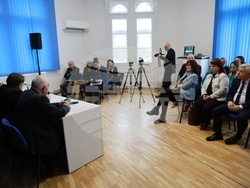
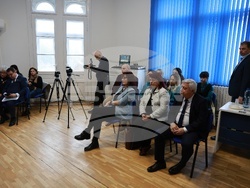
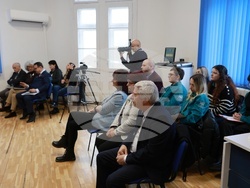
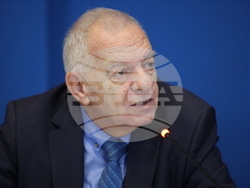
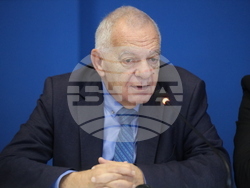
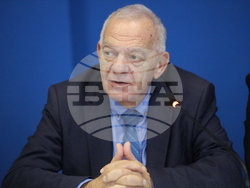
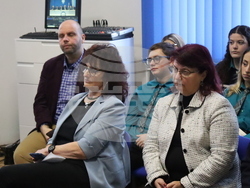
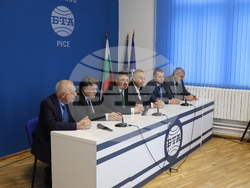
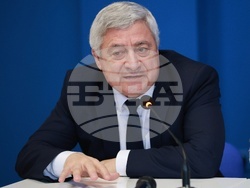
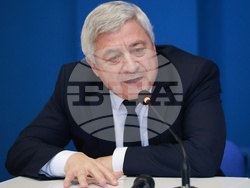
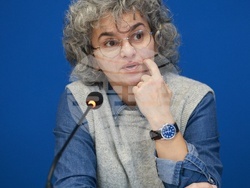
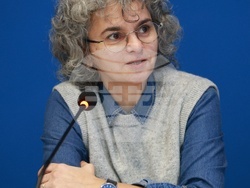
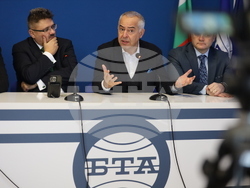
A conference dedicated to the 150th anniversary of the 1876 April Uprising took place on Wednesday at the BTA National Press Club in Ruse.
Organized by BTA with the participation of academics, public officials, diplomats, journalists, and students from Bulgaria and Romania, it was part of a joint initiative of the Bulgarian National Television (BNT), BTA, and Bulgarian National Radio (BNR), called “14 Centuries of Bulgaria in Europe”, aiming to commemorate anniversaries in Bulgarian history that are significant for European history through to 2032, when 1,400 years will be marked since the establishment in 632 of the first Bulgarian state in Europe - Old Great Bulgaria.
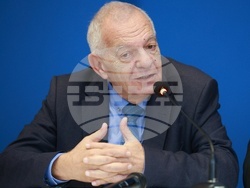
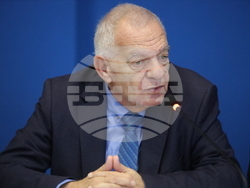
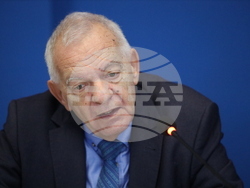
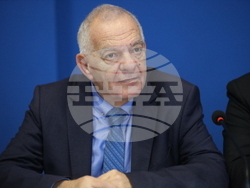
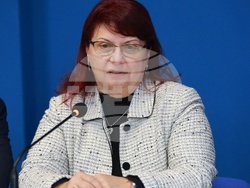
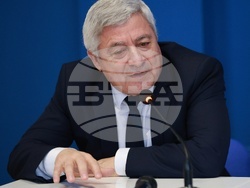
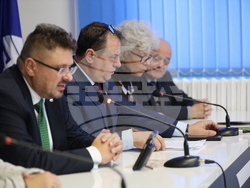
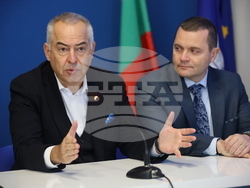
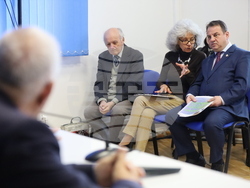
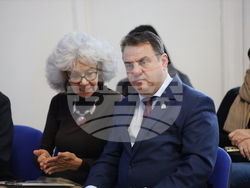
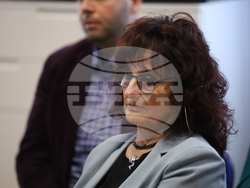
The Ruse conference in Ruse was opened by BTA Director General Kiril Valchev. Participants included Ruse Mayor Pencho Milkov, Ruse Regional Governor Dragomir Draganov, Academician Hristo Beloev, Chair of the Ruse Municipal Council and Honorary Rector of the Angel Kanchev University of Ruse, Bulgarian Ambassador to Romania Radko Vlaykov, Sofia University Rector Prof. Georgi Valchev, Assoc. Prof. Desislava Atanasova, Rector of the Angel Kanchev University of Ruse, Prof. Nikolay Nenov, Director of the Regional Historical Museum in Ruse and Chair of the 47th Session of the World Heritage Committee of the United Nations Educational, Scientific and Cultural Organization (UNESCO), Reneta Roshkeva, Deputy Director of the Regional Historical Museum in Ruse, journalist Boyko Vassilev, Giurgiu Deputy Mayor Ionel Muscalu, Emil Paunescu, historian from Giurgiu, Lili Gancheva, Executive Director of the Danubius Euroregion Association, Presiyan Kostadinov, history teacher at the Hristo Botev High School in Ruse and lecturer in history teaching methodology at the University of Ruse, and students.
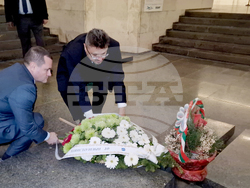
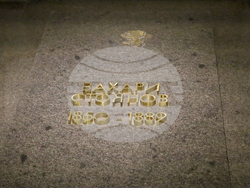
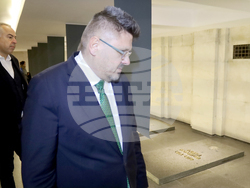
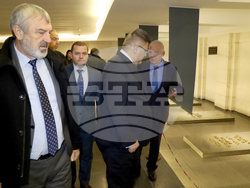
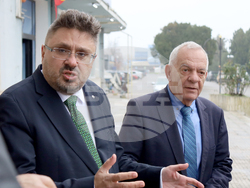
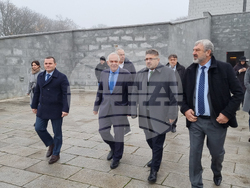
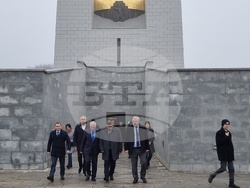
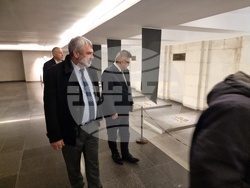
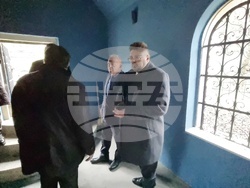
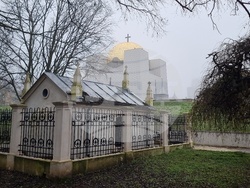
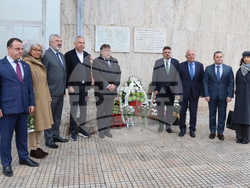
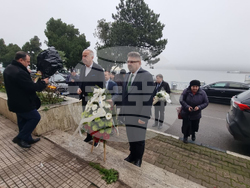
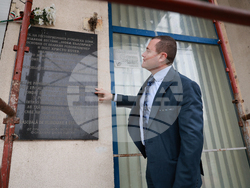
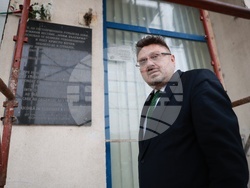
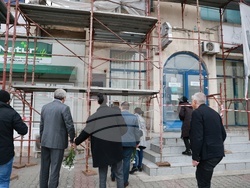
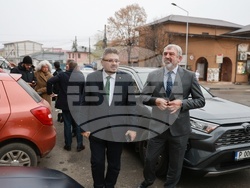
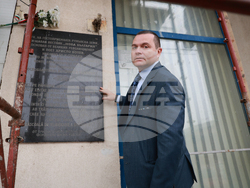
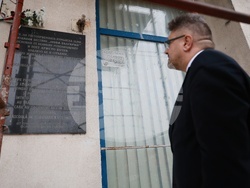
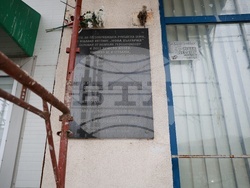
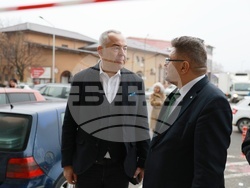
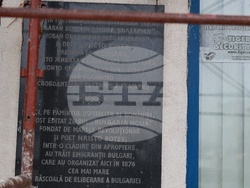
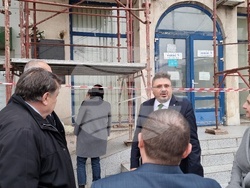
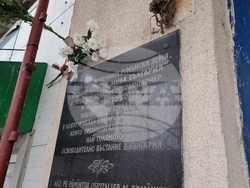
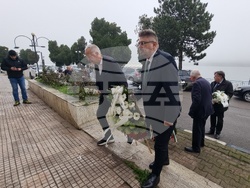
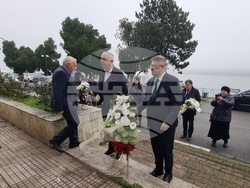
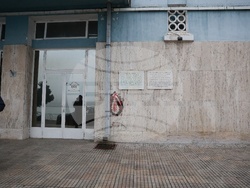
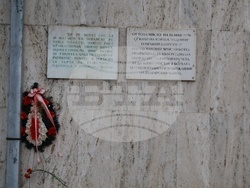
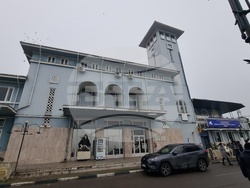
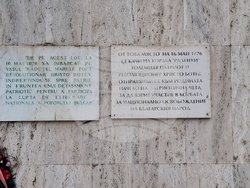
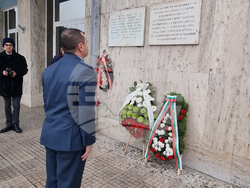
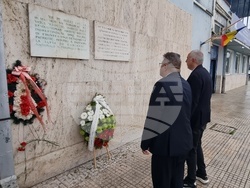
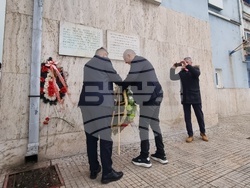
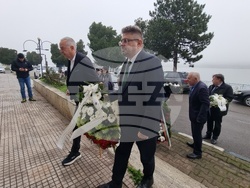
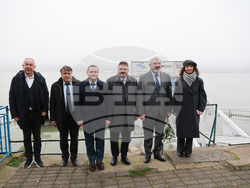
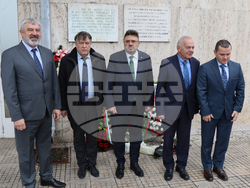
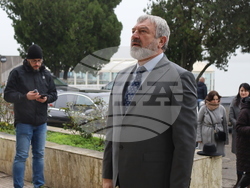
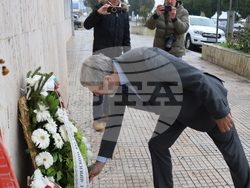
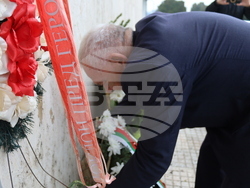
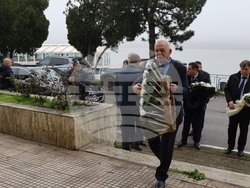
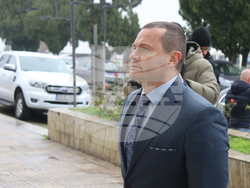
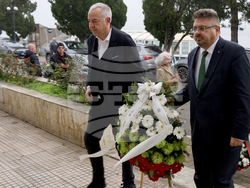
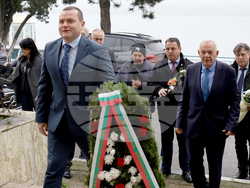
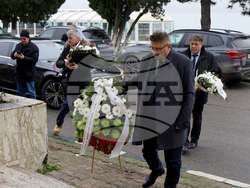
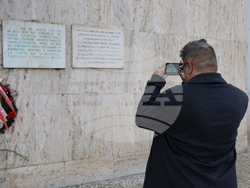
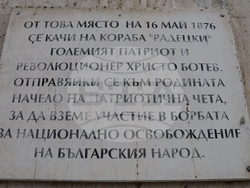
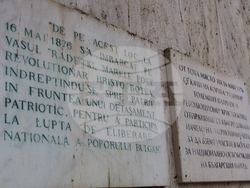
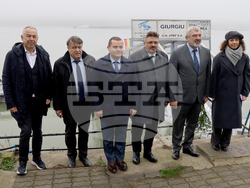
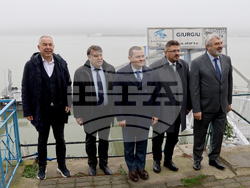
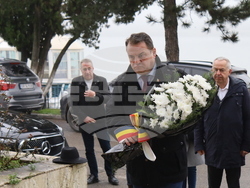
Ahead of the conference, Bulgarian and Romanian participants paid homage at historical sites in Giurgiu and Ruse, including a place where the Giurgiu Revolutionary Committee held its meetings, the Romanian port from which Hristo Botev’s detachment boarded the ship Radetzky, the Pantheon of National Revival Heroes and the tomb of Zahari Stoyanov in Ruse.
With the conference in Ruse, BTA is launching a series of discussions marking 150 years since the April Uprising. Similar forums will be organized next year at the Agency’s national press clubs in Veliko Tarnovo, Sliven, Vratsa, and Panagyurishte, which used to be centres of the four revolutionary districts during the 1876 uprising.
Following is a takeaway from the conference.
BTA Director General Kiril Valchev said that the 150th anniversary of the April Uprising of 1876 is one of the most significant milestones in Bulgarian history with importance for Europe as a whole. In his address, he outlined five historical lessons from the uprising: that Bulgarians can take collective decisions, shape their future independently even in extreme conditions, act with a clear plan, trust young people—as exemplified by young revolutionaries such as Angel Kanchev—and pass historical role models on to future generations.
Prof. Georgi Valchev, Rector of the St. Kliment Ohridski University of Sofia, said that the Giurgiu Revolutionary Committee exemplified the energy of young Bulgarians, for whom material well-being alone was no longer enough. He emphasized that understanding the 19th-century struggles of Bulgarians provides insight into contemporary challenges. “The Giurgiu committee demonstrated that young people can take decisive action, plan strategies, and lead transformative initiatives,” Valchev said, drawing parallels to recent youth protests in Bulgaria.
Romanian historian Emil Paunescu said that Giurgiu contributed to the Bulgarian National Revival in the 19th century. In the late 19th century, the Bulgarian community in Giurgiu had its own private school, and after 1869, several Bulgarian children attended the state gymnasium alongside Romanian students, later becoming officers, lawyers, and doctors. Two Bulgarian printing houses operated in the city: one producing primers and periodicals, and another publishing Nova Bulgaria newspaper, published by Hristo Botev.
Giurgiu Deputy Mayor Ionel Muscalu said that in the spring of 1876, Giurgiu was not a marginal town but a strategically important Danube port closely monitored during the Balkan conflicts, and served as a hub for Bulgarian revolutionaries while remaining under Ottoman surveillance with the Romanian authorities turning a blind eye. Giurgiu was a city “saturated” with information, where Bulgarian revolutionary committees, local Romanian authorities, and Ottoman agents all operated simultaneously,” Muscalu said.
Ruse Mayor Pencho Milkov said that next year, the 150th anniversary of the April Uprising should be felt as a national celebration across Bulgarian towns. He emphasized the role of national media, saying, “You are not only news organizations: you are spiritual organizations,” noting the importance of BTA, BNT, and BNR in commemorating the event.
Boyko Vasilev, executive producer and host of the Panorama talkshow on Bulgarian National Television, said that “talking about Bulgaria and love for Bulgaria is not just to praise ourselves, but to understand what isn’t working and what we can fix”. He highlighted the importance of Zahari Stoyanov’s Notes on the Bulgarian Uprisings, noting that asking the right questions about what motivates collective action, and what ultimately leads to glory or failure, is often more important than finding definitive answers.
Bulgaria’s Ambassador to Romania, Radko Vlaykov, highlighted Romania’s crucial role in organizing the April Uprising and supporting Bulgaria’s later liberation. He noted that the Romanian people provided refuge to many key figures in Bulgarian history. He emphasized the importance of including Romania in commemorations marking the 150th anniversary of the uprising. “Our gratitude to the Romanian people for this support must be very high, as well as for the lives they lost at Pleven, Grivitsa, Vidin, and many other places,” he said.
Ruse Regional Governor Dragomir Draganov said that the legacy of the April Uprising should inspire today’s generation to act for the development of Bulgarian society. He highlighted that the uprising was led by young revolutionaries whose sacrifice sparked international awareness of Bulgaria’s struggle against Ottoman rule. “This self-sacrifice is the foundation of Bulgaria’s liberation. Today we must reflect on whether we can make such sacrifices for the freedom of Bulgaria,” Draganov said.
Prof. Nikolay Nenov, director of the Regional Historical Museum in Ruse pointed out that the presence of media has been crucial in shaping public opinion throughout history, not just in reporting events. “Media at that time was extremely important because it formed opinion, not just reflected events,” he said, citing Hans Christian Andersen’s journey along the Danube in the 1860s, when he learned about Bulgaria from German newspapers despite being in Ottoman territory.
Assoc. Prof. Desislava Atanasova, Rector of Angel Kanchev University of Ruse, said that history prepares people for the present and the future. Atanasova emphasized Ruse’s crucial role in the April Uprising, citing local historical figures. “Sometimes the significance of Ruse for the history of the April Uprising is overlooked. I think it is really very serious for all of us, the people of Ruse, who from childhood have been steeped in the vast amount of history here, with the story of Baba Tonka, her house with the many people who participated both in the April Uprising and in the struggles for Bulgaria’s liberation.”
Academician Hristo Beloev, honorary rector of Angel Kanchev University of Ruse and chair of the Ruse Municipal Council, highlighted the lessons of the 1876 April Uprising. He emphasized the selflessness of young revolutionaries. “I hope all Bulgarians look back and learn a lesson from history, how during the April Uprising young people, instead of personal gain, chose to sacrifice themselves for the homeland, for Bulgaria.” He added that these lessons remain relevant today, encouraging young people to act in the country’s interests within the European framework.
Students from Hristo Botev Secondary School in Ruse took part in a conference and they emphasized in their remarks the importance of learning from history and preserving the memory of the uprising and its participants.
Bulgarian National Radio correspondent in Ruse Asya Pencheva talked about the Danube as a symbol of freedom, spirituality and progress for the people of Ruse. Pencheva stressed the symbolic role of the river as a bridge between Ruse and Europe and recalled the revolutionary spirit of 1875, when Bulgarian activists sought freedom through unity and courage. She emphasized that the idea of freedom remains central to both history and modern identity.
/NF/

Additional






























































news.modal.image.header
news.modal.image.text
news.modal.download.header
news.modal.download.text
news.modal.header
news.modal.text