14 Centuries of Bulgaria in Europe
![19th-Century Giurgiu Revolutionary Committee Showcased the Energy of Bulgarian Youth, Says Sofia University Rector]()
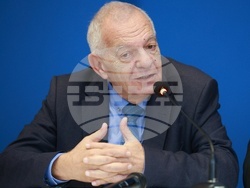
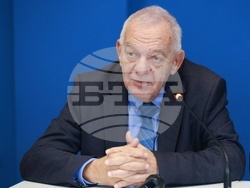
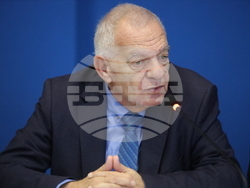
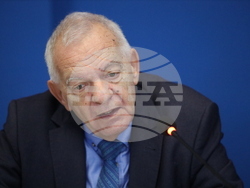
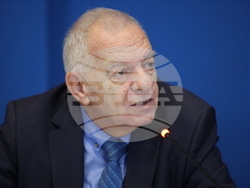
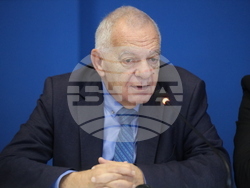
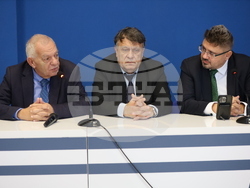
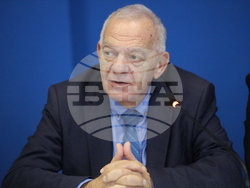
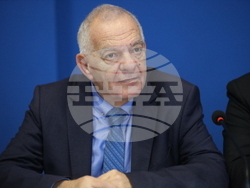
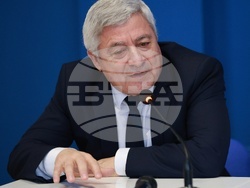
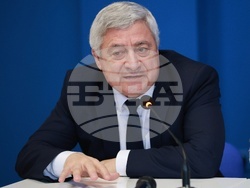
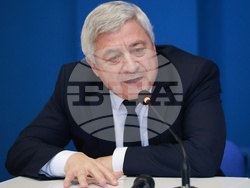
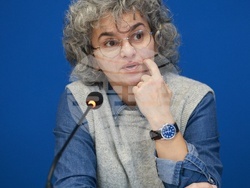
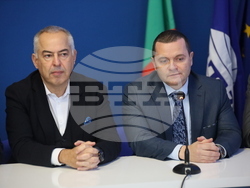
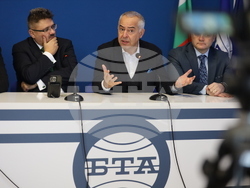
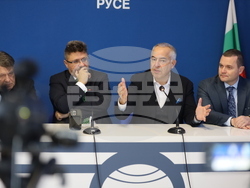
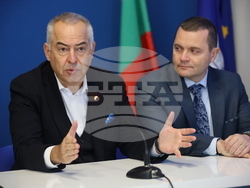
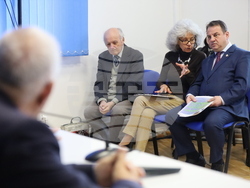
![19th-Century Giurgiu Revolutionary Committee Showcased the Energy of Bulgarian Youth, Says Sofia University Rector]() Prof. Georgi Valchev, Rector of Sofia University, speaking at a BTA-organized conference in Ruse that commemorates a December 1875 decision by the Giurgiu Revolutionary Committee to launch the 1876 April Uprising in Bulgaria, Ruse, December 17, 2025 (BTA Photo/Bisser Todorov)
Prof. Georgi Valchev, Rector of Sofia University, speaking at a BTA-organized conference in Ruse that commemorates a December 1875 decision by the Giurgiu Revolutionary Committee to launch the 1876 April Uprising in Bulgaria, Ruse, December 17, 2025 (BTA Photo/Bisser Todorov)
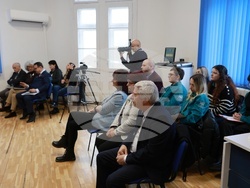
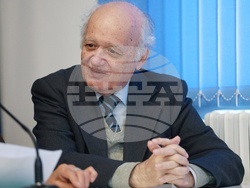
![Национален пресклуб на БТА в Русе - конференция на тема "150 години от Априлското въстание – 1876 г., и отбелязване на взетото през декември 1875 г. решение за обявяване на въстание от Гюргевския революционен комитет"]()
![Национален пресклуб на БТА в Русе - конференция на тема "150 години от Априлското въстание – 1876 г., и отбелязване на взетото през декември 1875 г. решение за обявяване на въстание от Гюргевския революционен комитет"]()
![Национален пресклуб на БТА в Русе - конференция на тема "150 години от Априлското въстание – 1876 г., и отбелязване на взетото през декември 1875 г. решение за обявяване на въстание от Гюргевския революционен комитет"]()
![Национален пресклуб на БТА в Русе - конференция на тема "150 години от Априлското въстание – 1876 г., и отбелязване на взетото през декември 1875 г. решение за обявяване на въстание от Гюргевския революционен комитет"]()
![Национален пресклуб на БТА в Русе - конференция на тема "150 години от Априлското въстание – 1876 г., и отбелязване на взетото през декември 1875 г. решение за обявяване на въстание от Гюргевския революционен комитет"]()
![Национален пресклуб на БТА в Русе - конференция на тема "150 години от Априлското въстание – 1876 г., и отбелязване на взетото през декември 1875 г. решение за обявяване на въстание от Гюргевския революционен комитет"]()
![Национален пресклуб на БТА в Русе - конференция на тема "150 години от Априлското въстание – 1876 г., и отбелязване на взетото през декември 1875 г. решение за обявяване на въстание от Гюргевския революционен комитет"]()
![Национален пресклуб на БТА в Русе - конференция на тема "150 години от Априлското въстание – 1876 г., и отбелязване на взетото през декември 1875 г. решение за обявяване на въстание от Гюргевския революционен комитет"]()
![Национален пресклуб на БТА в Русе - конференция на тема "150 години от Априлското въстание – 1876 г., и отбелязване на взетото през декември 1875 г. решение за обявяване на въстание от Гюргевския революционен комитет"]()
![Национален пресклуб на БТА в Русе - конференция на тема "150 години от Априлското въстание – 1876 г., и отбелязване на взетото през декември 1875 г. решение за обявяване на въстание от Гюргевския революционен комитет"]()
![Национален пресклуб на БТА в Русе - конференция на тема "150 години от Априлското въстание – 1876 г., и отбелязване на взетото през декември 1875 г. решение за обявяване на въстание от Гюргевския революционен комитет"]()
![Национален пресклуб на БТА в Русе - конференция на тема "150 години от Априлското въстание – 1876 г., и отбелязване на взетото през декември 1875 г. решение за обявяване на въстание от Гюргевския революционен комитет"]()
![Национален пресклуб на БТА в Русе - конференция на тема "150 години от Априлското въстание – 1876 г., и отбелязване на взетото през декември 1875 г. решение за обявяване на въстание от Гюргевския революционен комитет"]()
![Национален пресклуб на БТА в Русе - конференция на тема "150 години от Априлското въстание – 1876 г., и отбелязване на взетото през декември 1875 г. решение за обявяване на въстание от Гюргевския революционен комитет"]()
![Национален пресклуб на БТА в Русе - конференция на тема "150 години от Априлското въстание – 1876 г., и отбелязване на взетото през декември 1875 г. решение за обявяване на въстание от Гюргевския революционен комитет"]()
![Национален пресклуб на БТА в Русе - конференция на тема "150 години от Априлското въстание – 1876 г., и отбелязване на взетото през декември 1875 г. решение за обявяване на въстание от Гюргевския революционен комитет"]()
![Национален пресклуб на БТА в Русе - конференция на тема "150 години от Априлското въстание – 1876 г., и отбелязване на взетото през декември 1875 г. решение за обявяване на въстание от Гюргевския революционен комитет"]()
![Национален пресклуб на БТА в Русе - конференция на тема "150 години от Априлското въстание – 1876 г., и отбелязване на взетото през декември 1875 г. решение за обявяване на въстание от Гюргевския революционен комитет"]()
![Национален пресклуб на БТА в Русе - конференция на тема "150 години от Априлското въстание – 1876 г., и отбелязване на взетото през декември 1875 г. решение за обявяване на въстание от Гюргевския революционен комитет"]()
![Национален пресклуб на БТА в Русе - конференция на тема "150 години от Априлското въстание – 1876 г., и отбелязване на взетото през декември 1875 г. решение за обявяване на въстание от Гюргевския революционен комитет"]()
![Национален пресклуб на БТА в Русе - конференция на тема "150 години от Априлското въстание – 1876 г., и отбелязване на взетото през декември 1875 г. решение за обявяване на въстание от Гюргевския революционен комитет"]()
![Национален пресклуб на БТА в Русе - конференция на тема "150 години от Априлското въстание – 1876 г., и отбелязване на взетото през декември 1875 г. решение за обявяване на въстание от Гюргевския революционен комитет"]()
![Национален пресклуб на БТА в Русе - конференция на тема "150 години от Априлското въстание – 1876 г., и отбелязване на взетото през декември 1875 г. решение за обявяване на въстание от Гюргевския революционен комитет"]()
![Национален пресклуб на БТА в Русе - конференция на тема "150 години от Априлското въстание – 1876 г., и отбелязване на взетото през декември 1875 г. решение за обявяване на въстание от Гюргевския революционен комитет"]()
![Национален пресклуб на БТА в Русе - конференция на тема "150 години от Априлското въстание – 1876 г., и отбелязване на взетото през декември 1875 г. решение за обявяване на въстание от Гюргевския революционен комитет"]()
![Национален пресклуб на БТА в Русе - конференция на тема "150 години от Априлското въстание – 1876 г., и отбелязване на взетото през декември 1875 г. решение за обявяване на въстание от Гюргевския революционен комитет"]()
![Национален пресклуб на БТА в Русе - конференция на тема "150 години от Априлското въстание – 1876 г., и отбелязване на взетото през декември 1875 г. решение за обявяване на въстание от Гюргевския революционен комитет"]()
![Национален пресклуб на БТА в Русе - конференция на тема "150 години от Априлското въстание – 1876 г., и отбелязване на взетото през декември 1875 г. решение за обявяване на въстание от Гюргевския революционен комитет"]()
![Национален пресклуб на БТА в Русе - конференция на тема "150 години от Априлското въстание – 1876 г., и отбелязване на взетото през декември 1875 г. решение за обявяване на въстание от Гюргевския революционен комитет"]()
![Национален пресклуб на БТА в Русе - конференция на тема "150 години от Априлското въстание – 1876 г., и отбелязване на взетото през декември 1875 г. решение за обявяване на въстание от Гюргевския революционен комитет"]()
![Национален пресклуб на БТА в Русе - конференция на тема "150 години от Априлското въстание – 1876 г., и отбелязване на взетото през декември 1875 г. решение за обявяване на въстание от Гюргевския революционен комитет"]()
![Национален пресклуб на БТА в Русе - конференция на тема "150 години от Априлското въстание – 1876 г., и отбелязване на взетото през декември 1875 г. решение за обявяване на въстание от Гюргевския революционен комитет"]()
![Национален пресклуб на БТА в Русе - конференция на тема "150 години от Априлското въстание – 1876 г., и отбелязване на взетото през декември 1875 г. решение за обявяване на въстание от Гюргевския революционен комитет"]()
![Национален пресклуб на БТА в Русе - конференция на тема "150 години от Априлското въстание – 1876 г., и отбелязване на взетото през декември 1875 г. решение за обявяване на въстание от Гюргевския революционен комитет"]()
![Национален пресклуб на БТА в Русе - конференция на тема "150 години от Априлското въстание – 1876 г., и отбелязване на взетото през декември 1875 г. решение за обявяване на въстание от Гюргевския революционен комитет"]()
![Национален пресклуб на БТА в Русе - конференция на тема "150 години от Априлското въстание – 1876 г., и отбелязване на взетото през декември 1875 г. решение за обявяване на въстание от Гюргевския революционен комитет"]()
![Национален пресклуб на БТА в Русе - конференция на тема "150 години от Априлското въстание – 1876 г., и отбелязване на взетото през декември 1875 г. решение за обявяване на въстание от Гюргевския революционен комитет"]()
![Национален пресклуб на БТА в Русе - конференция на тема "150 години от Априлското въстание – 1876 г., и отбелязване на взетото през декември 1875 г. решение за обявяване на въстание от Гюргевския революционен комитет"]()
![Национален пресклуб на БТА в Русе - конференция на тема "150 години от Априлското въстание – 1876 г., и отбелязване на взетото през декември 1875 г. решение за обявяване на въстание от Гюргевския революционен комитет"]()
![Национален пресклуб на БТА в Русе - конференция на тема "150 години от Априлското въстание – 1876 г., и отбелязване на взетото през декември 1875 г. решение за обявяване на въстание от Гюргевския революционен комитет"]()
![Национален пресклуб на БТА в Русе - конференция на тема "150 години от Априлското въстание – 1876 г., и отбелязване на взетото през декември 1875 г. решение за обявяване на въстание от Гюргевския революционен комитет"]()
![Национален пресклуб на БТА в Русе - конференция на тема "150 години от Априлското въстание – 1876 г., и отбелязване на взетото през декември 1875 г. решение за обявяване на въстание от Гюргевския революционен комитет"]()
![Национален пресклуб на БТА в Русе - конференция на тема "150 години от Априлското въстание – 1876 г., и отбелязване на взетото през декември 1875 г. решение за обявяване на въстание от Гюргевския революционен комитет"]()
![Национален пресклуб на БТА в Русе - конференция на тема "150 години от Априлското въстание – 1876 г., и отбелязване на взетото през декември 1875 г. решение за обявяване на въстание от Гюргевския революционен комитет"]()
![Национален пресклуб на БТА в Русе - конференция на тема "150 години от Априлското въстание – 1876 г., и отбелязване на взетото през декември 1875 г. решение за обявяване на въстание от Гюргевския революционен комитет"]()
![Национален пресклуб на БТА в Русе - конференция на тема "150 години от Априлското въстание – 1876 г., и отбелязване на взетото през декември 1875 г. решение за обявяване на въстание от Гюргевския революционен комитет"]()
![Национален пресклуб на БТА в Русе - конференция на тема "150 години от Априлското въстание – 1876 г., и отбелязване на взетото през декември 1875 г. решение за обявяване на въстание от Гюргевския революционен комитет"]()
![Национален пресклуб на БТА в Русе - конференция на тема "150 години от Априлското въстание – 1876 г., и отбелязване на взетото през декември 1875 г. решение за обявяване на въстание от Гюргевския революционен комитет"]()
![Национален пресклуб на БТА в Русе - конференция на тема "150 години от Априлското въстание – 1876 г., и отбелязване на взетото през декември 1875 г. решение за обявяване на въстание от Гюргевския революционен комитет"]()
![Национален пресклуб на БТА в Русе - конференция на тема "150 години от Априлското въстание – 1876 г., и отбелязване на взетото през декември 1875 г. решение за обявяване на въстание от Гюргевския революционен комитет"]()
![Национален пресклуб на БТА в Русе - конференция на тема "150 години от Априлското въстание – 1876 г., и отбелязване на взетото през декември 1875 г. решение за обявяване на въстание от Гюргевския революционен комитет"]()
![Национален пресклуб на БТА в Русе - конференция на тема "150 години от Априлското въстание – 1876 г., и отбелязване на взетото през декември 1875 г. решение за обявяване на въстание от Гюргевския революционен комитет"]()
![Национален пресклуб на БТА в Русе - конференция на тема "150 години от Априлското въстание – 1876 г., и отбелязване на взетото през декември 1875 г. решение за обявяване на въстание от Гюргевския революционен комитет"]()
![Национален пресклуб на БТА в Русе - конференция на тема "150 години от Априлското въстание – 1876 г., и отбелязване на взетото през декември 1875 г. решение за обявяване на въстание от Гюргевския революционен комитет"]()
![Национален пресклуб на БТА в Русе - конференция на тема "150 години от Априлското въстание – 1876 г., и отбелязване на взетото през декември 1875 г. решение за обявяване на въстание от Гюргевския революционен комитет"]()
![Национален пресклуб на БТА в Русе - конференция на тема "150 години от Априлското въстание – 1876 г., и отбелязване на взетото през декември 1875 г. решение за обявяване на въстание от Гюргевския революционен комитет"]()
![Национален пресклуб на БТА в Русе - конференция на тема "150 години от Априлското въстание – 1876 г., и отбелязване на взетото през декември 1875 г. решение за обявяване на въстание от Гюргевския революционен комитет"]()
![Национален пресклуб на БТА в Русе - конференция на тема "150 години от Априлското въстание – 1876 г., и отбелязване на взетото през декември 1875 г. решение за обявяване на въстание от Гюргевския революционен комитет"]()
![Национален пресклуб на БТА в Русе - конференция на тема "150 години от Априлското въстание – 1876 г., и отбелязване на взетото през декември 1875 г. решение за обявяване на въстание от Гюргевския революционен комитет"]()
![Национален пресклуб на БТА в Русе - конференция на тема "150 години от Априлското въстание – 1876 г., и отбелязване на взетото през декември 1875 г. решение за обявяване на въстание от Гюргевския революционен комитет"]()
![Национален пресклуб на БТА в Русе - конференция на тема "150 години от Априлското въстание – 1876 г., и отбелязване на взетото през декември 1875 г. решение за обявяване на въстание от Гюргевския революционен комитет"]()
![Национален пресклуб на БТА в Русе - конференция на тема "150 години от Априлското въстание – 1876 г., и отбелязване на взетото през декември 1875 г. решение за обявяване на въстание от Гюргевския революционен комитет"]()
![Национален пресклуб на БТА в Русе - конференция на тема "150 години от Априлското въстание – 1876 г., и отбелязване на взетото през декември 1875 г. решение за обявяване на въстание от Гюргевския революционен комитет"]()
![Национален пресклуб на БТА в Русе - конференция на тема "150 години от Априлското въстание – 1876 г., и отбелязване на взетото през декември 1875 г. решение за обявяване на въстание от Гюргевския революционен комитет"]()
![Национален пресклуб на БТА в Русе - конференция на тема "150 години от Априлското въстание – 1876 г., и отбелязване на взетото през декември 1875 г. решение за обявяване на въстание от Гюргевския революционен комитет"]()
![Национален пресклуб на БТА в Русе - конференция на тема "150 години от Априлското въстание – 1876 г., и отбелязване на взетото през декември 1875 г. решение за обявяване на въстание от Гюргевския революционен комитет"]()
![Национален пресклуб на БТА в Русе - конференция на тема "150 години от Априлското въстание – 1876 г., и отбелязване на взетото през декември 1875 г. решение за обявяване на въстание от Гюргевския революционен комитет"]()
![Национален пресклуб на БТА в Русе - конференция на тема "150 години от Априлското въстание – 1876 г., и отбелязване на взетото през декември 1875 г. решение за обявяване на въстание от Гюргевския революционен комитет"]()
![Национален пресклуб на БТА в Русе - конференция на тема "150 години от Априлското въстание – 1876 г., и отбелязване на взетото през декември 1875 г. решение за обявяване на въстание от Гюргевския революционен комитет"]()
![Национален пресклуб на БТА в Русе - конференция на тема "150 години от Априлското въстание – 1876 г., и отбелязване на взетото през декември 1875 г. решение за обявяване на въстание от Гюргевския революционен комитет"]()
![Национален пресклуб на БТА в Русе - конференция на тема "150 години от Априлското въстание – 1876 г., и отбелязване на взетото през декември 1875 г. решение за обявяване на въстание от Гюргевския революционен комитет"]()
![Национален пресклуб на БТА в Русе - конференция на тема "150 години от Априлското въстание – 1876 г., и отбелязване на взетото през декември 1875 г. решение за обявяване на въстание от Гюргевския революционен комитет"]()
![Национален пресклуб на БТА в Русе - конференция на тема "150 години от Априлското въстание – 1876 г., и отбелязване на взетото през декември 1875 г. решение за обявяване на въстание от Гюргевския революционен комитет"]()
![Национален пресклуб на БТА в Русе - конференция на тема "150 години от Априлското въстание – 1876 г., и отбелязване на взетото през декември 1875 г. решение за обявяване на въстание от Гюргевския революционен комитет"]()
![Национален пресклуб на БТА в Русе - конференция на тема "150 години от Априлското въстание – 1876 г., и отбелязване на взетото през декември 1875 г. решение за обявяване на въстание от Гюргевския революционен комитет"]()
![Национален пресклуб на БТА в Русе - конференция на тема "150 години от Априлското въстание – 1876 г., и отбелязване на взетото през декември 1875 г. решение за обявяване на въстание от Гюргевския революционен комитет"]()
site.bta19th-Century Giurgiu Revolutionary Committee Showcased the Energy of Bulgarian Youth, Says Sofia University Rector
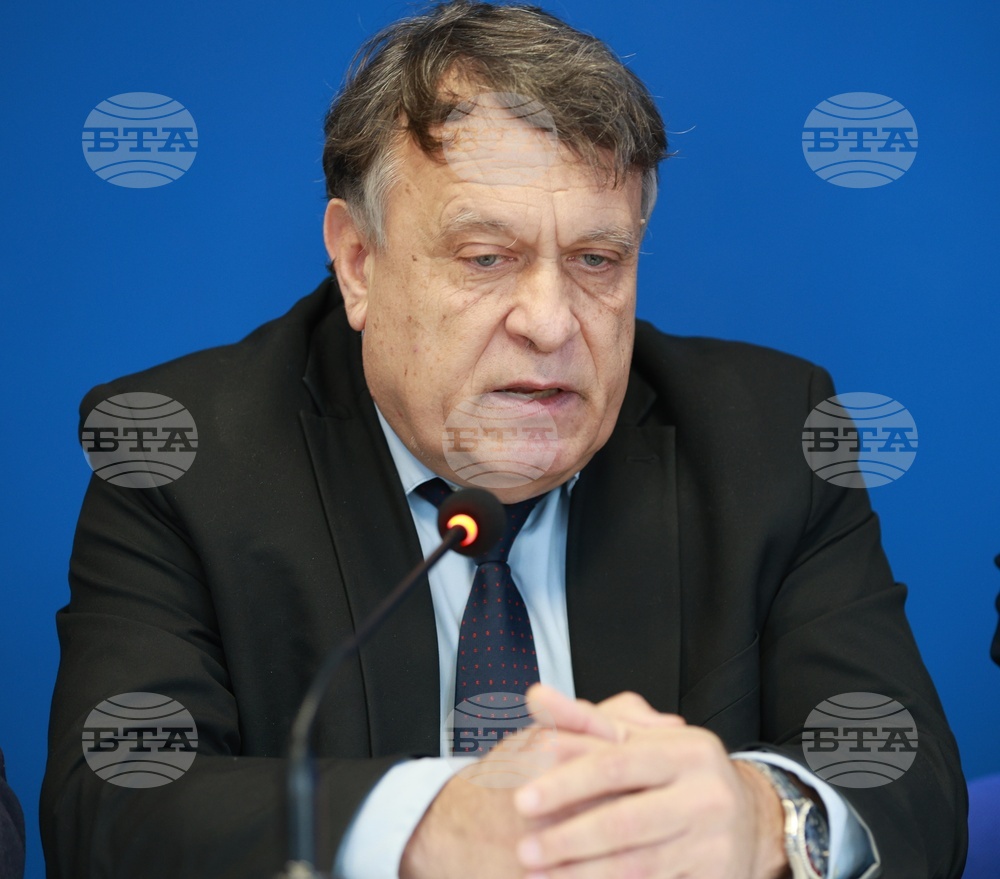
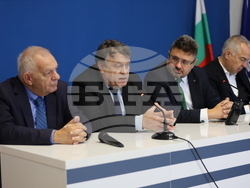
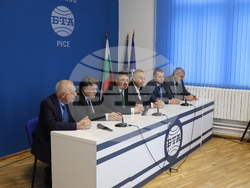
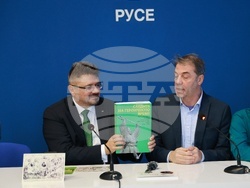
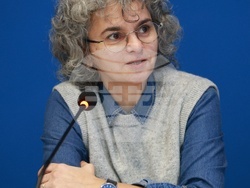
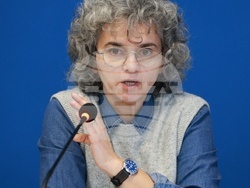
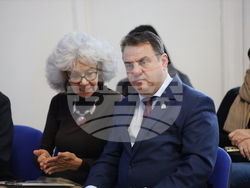
The Giurgiu Revolutionary Committee exemplified the energy of young Bulgarians, for whom material well-being alone was no longer enough, said Prof. Georgi Valchev, Rector of Sofia University, here Wednesday. He was speaking at a BTA-organized conference in Ruse that commemorates a December 1875 decision by the Giurgiu Revolutionary Committee to launch the 1876 April Uprising in Bulgaria.
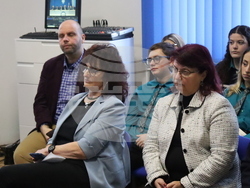
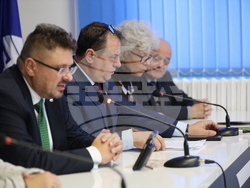
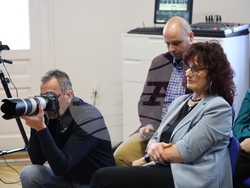
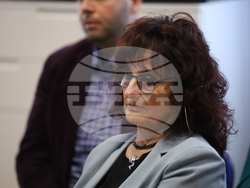
The event brought together academics, public officials, diplomats, journalists, and students from Bulgaria and Romania. It is part of a joint initiative of BTA, the Bulgarian National Television (BNT), and Bulgarian National Radio (BNR), called “14 Centuries of Bulgaria in Europe.” It aims to commemorate anniversaries in Bulgarian history that are significant for European history through to 2032, when 1,400 years will be marked since the establishment in 632 of the first Bulgarian state in Europe - Old Great Bulgaria.
Prof. Valchev emphasized that understanding the 19th-century struggles of Bulgarians provides insight into contemporary challenges. While neighboring nations such as Serbia, Greece, Wallachia, and Moldova were establishing their political presence in Europe, Bulgarians remained politically invisible under Ottoman rule. The Giurgiu Committee emerged from the disappointment over the failed Stara Zagora Uprising and the inaction of older leaders, led by a small group of young people, the oldest of whom was 33-year-old Georgi Benkovski.
“The Giurgiu committee demonstrated that young people can take decisive action, plan strategies, and lead transformative initiatives,” Valchev said, drawing parallels to recent youth protests in Bulgaria. He highlighted that the youth sought visibility, equality, civil liberties, and a democratic environment, aiming to modernize the country and ensure freedom for all citizens.
The committee organized the country into revolutionary districts, appointed “apostles” for each area, and took bold steps to assert Bulgaria’s place in Europe—actions carried out at great personal risk. Many participants later became founding figures of modern Bulgaria. According to Prof. Valchev, the April Uprising concluded the so-called “Eastern Crisis” and helped shape the contemporary political map of the Balkans, demonstrating that young people are crucial to social and political life.
“Today’s youth must feel empowered to build the world in which their children will live, contributing not only to their own success but to the prosperity of society as a whole,” Valchev concluded.
/NF/

Additional









































news.modal.image.header
news.modal.image.text
news.modal.download.header
news.modal.download.text
news.modal.header
news.modal.text