Wrap-up
![Ministers Reject Speculation over US Aircraft at Sofia Airport; Parliament Calls on PM to Attend Hearing]()
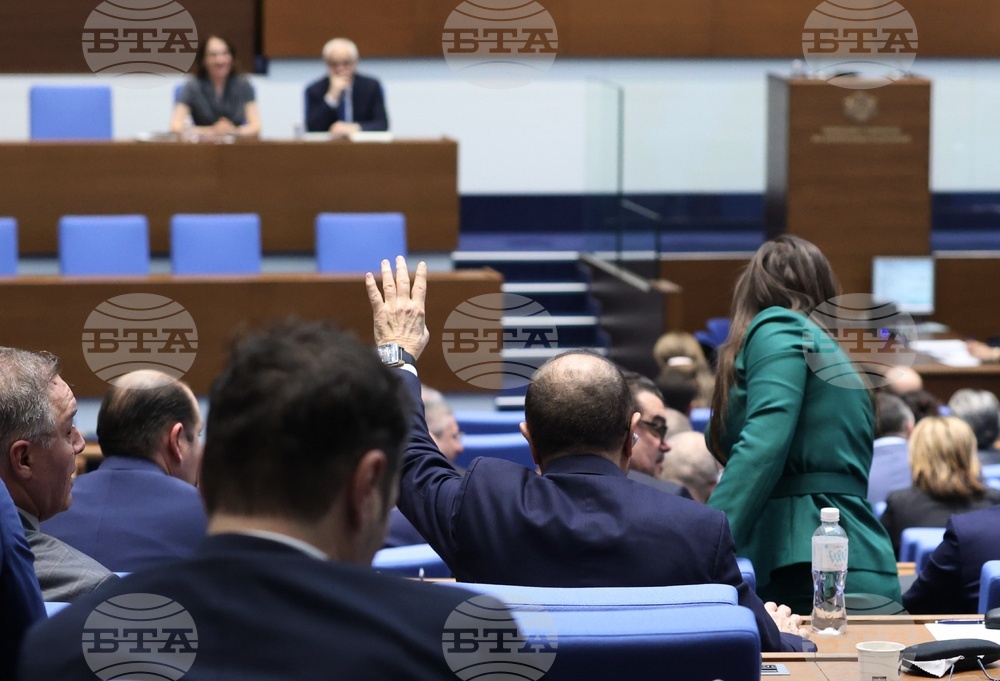
![Ministers Reject Speculation over US Aircraft at Sofia Airport; Parliament Calls on PM to Attend Hearing]() Parliamentary sitting, February 26, 2026 (BTA Photo/Nikola Uzunov)
Parliamentary sitting, February 26, 2026 (BTA Photo/Nikola Uzunov)
site.btaMinisters Reject Speculation over US Aircraft at Sofia Airport; Parliament Calls on PM to Attend Hearing
Government officials rejected speculation linking the presence of US military aircraft at Vasil Levski Sofia Airport to non-NATO operations, while Parliament on Thursday obliged caretaker Prime Minister Andrey Gurov to participate in a hearing on the matter.
Earlier in the day, Transport Minister Korman Ismailov convened a coordination meeting with representatives of the defence sector, civil aviation authorities, the airport operator and the US Embassy to ensure the uninterrupted functioning of Sofia Airport amid an ongoing NATO partner mission. Participants reported that airport operations continue at full capacity, without disruption or changes to civil flight schedules. Authorities stressed the need for timely public communication to counter speculation and disinformation.
During a parliamentary hearing requested by Vazrazhdane, caretaker Foreign Minister Nadezhda Neynsky said the deployment of up to 15 US Air Force aircraft from February 17 to May 31, 2026, is linked to training activities supporting NATO’s enhanced vigilance measures and is not related to current or planned military operations. She explained that the deployment follows a diplomatic request from the US Embassy and was authorized under the Act regulating the presence of allied forces in Bulgaria. Neynsky emphasized that the aircraft have a logistical function, primarily aerial refuelling, and do not possess offensive capabilities.
Caretaker Defence Minister Atanas Zapryanov likewise described attempts to associate the aircraft with operations outside NATO’s collective defence plans as speculation. He said up to 15 aircraft and approximately 500 service members have been authorized for a temporary, non-combat presence, with the aircraft stationed at Sofia Airport and supported by the adjacent Vrazhdebna Air Base. As of February 25, ten refuelling aircraft were present, he noted, adding that their flights are scheduled in advance and have not caused delays or changes to civilian air traffic. Zapryanov underlined that Sofia Airport remains fully operational and that Bulgaria is acting within its allied commitments and legal framework.
Later on Thursday, Parliament voted to oblige caretaker Prime Minister Andrey Gurov to attend a hearing on the US aircraft and tensions in the Middle East. The proposal was put forward by There Is Such a People Floor Leader Toshko Yordanov. Representatives of Continue the Change–Democratic Bulgaria opposed the move, accusing TISP of targeting the caretaker cabinet. The hearing was attended by the foreign and defence ministers and by the CEO of Sofia Airport.
The Defence Ministry had earlier announced that US Air Force aircraft were deployed to Sofia Airport in connection with a military exercise.
What the Constitutional Court said
In 2003, the Constitutional Court was asked by the President to issue an interpretation of constitutional provisions governing parliamentary approval for the entry, transit or stationing of foreign forces and the deployment of Bulgarian troops abroad (Art.84 of the Constitution), in the context of Bulgaria’s commitments arising from then prospective NATO membership and broader Euro-Atlantic integration.
The Court ruled that allied troops present in the country under a ratified international treaty of a political or military nature cannot be considered “foreign troops” within the meaning of the Constitution, provided their presence is linked to the fulfilment of allied obligations – and Parliament's approval was unnecessary.
In its decision, the Court held that once Parliament has ratified, promulgated and brought into force an international treaty under Article 85 of the Constitution, the obligations arising from that treaty take precedence over the requirement for case-by-case parliamentary authorization under Article 84 of the Constitution. Therefore, additional approval by the National Assembly is not required for the presence of allied forces or the deployment of Bulgarian troops abroad when these actions stem directly from treaty-based commitments, including collective defence and peacekeeping operations.
/YV/
news.modal.header
news.modal.text