site.btaCensus Registers Rise in Waterfowl Wintering in Bulgaria, 326,982 Birds of 99 Species Observed
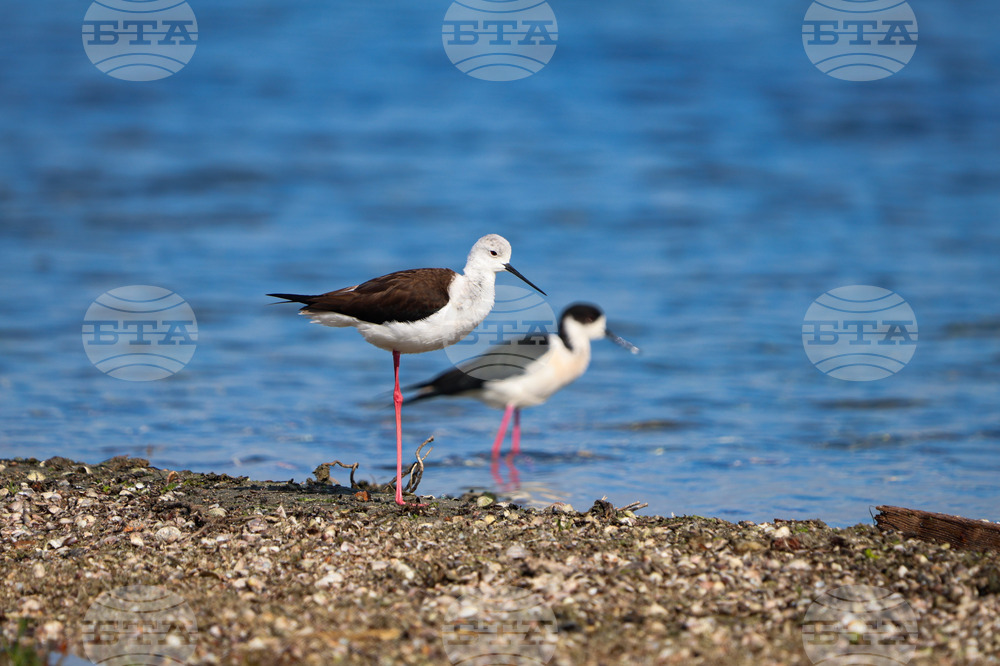
The 50th Midwinter Waterfowl Census in Bulgaria, which took place from January 15 to 18 throughout the country, registered an increase in the waterfowl species wintering in the country. A total of 326,982 birds of 99 species were observed, compared to 249,958 individuals of 90 species in January 2025, the Bulgarian Society for the Protection of Birds (BSPB) said on Friday.
The numbers registered this year are also higher than those from 2024, 2023, and 2022, but are still far lower than the numbers recorded in previous periods. For example, in 1999 and 2000, a total of 404,410 and 652,418 wintering waterfowl were recorded, respectively, the BSPB recalled.
As in previous years, the three most numerous waterfowl species observed in this census were: the common teal (62,825 birds), the mallard duck (59,562), and the great cormorant (49,516).
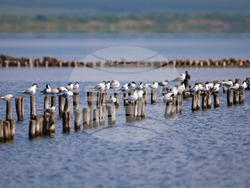
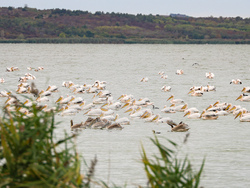
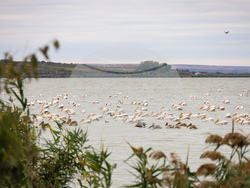
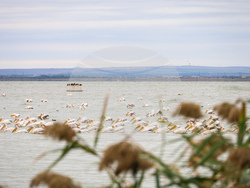
Of the globally endangered species, the participants in the census registered 8,852 brown-headed ducks, 1,836 ferruginous ducks, 1,998 Mediterranean storm petrels, 184 red-breasted geese, 3 velvet scoters, and 3 horned grebes. Other interesting observations include 1,776 greater flamingos, 791 Dalmatian pelicans, 68 black storks, and 3 white storks.
In addition, species that are not typical for the winter months in Bulgaria were also observed – 1 river tern in the sea near Chernomorets, 6 little egrets in Plovdiv and Burgas, 32 night herons (30 individuals in Burgas and 2 individuals in the marshes near Dolni Bogrov), 6 Eurasian spoonbills, and 2 summer sandpipers near the Maritsa River in Plovdiv.
The teams managed to observe and count a total of 16,198 greater white-fronted geese and 171 gray geese, up from last year's 7,562 and 66 geese, respectively.
Forty-five teams of experts and volunteers from the BSPB, the Executive Environment Agency (EEA), Green Balkans, the Regional Inspectorates of Environment and Water (RIEWs), the Bulgarian Academy of Sciences, hunting associations, and representatives of other non-governmental organizations collected data on wintering birds in over 300 wetlands in Bulgaria.
Traditionally, the main concentration of birds was registered along the Black Sea coast, as well as in some large inland reservoirs. There were relatively few birds along the Danube, as the river was high during the census and in many places the so-called sandbars, which attract thousands of birds, were missing. Due to the colder weather, especially in Northern Bulgaria, most of the small reservoirs and fishponds were completely frozen, the BSPB said.
The first waterfowl census was held in 1977, when Bulgaria joined one of the oldest scientific initiatives in the world. It brings together the efforts of scientists and citizens to monitor the status of birds and their habitats, as they are an indicator of the state of biodiversity and wetlands.
/DS/
Additional











news.modal.image.header
news.modal.image.text
news.modal.download.header
news.modal.download.text
news.modal.header
news.modal.text