Wrap-up
![Vazrazhdane Urges Early Elections, Budget Without Debt and Postponement of Euro Adoption in Talks with President]()
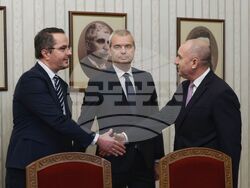
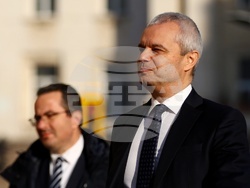
![Vazrazhdane Urges Early Elections, Budget Without Debt and Postponement of Euro Adoption in Talks with President]() President Rumen Radev (right) greets Vazrazhdane leader Kostadin Kostadinov (BTA Photo/Vladimir Shokov)
President Rumen Radev (right) greets Vazrazhdane leader Kostadin Kostadinov (BTA Photo/Vladimir Shokov)
![Президентство - „Възраждане“ - консултации]()
![Президентство - „Възраждане“ - консултации]()
![Президентство - „Възраждане“ - консултации]()
![Президентство - „Възраждане“ - консултации]()
![Президентство - „Възраждане“ - консултации]()
![Президентство - „Възраждане“ - консултации]()
![Президентство - „Възраждане“ - консултации]()
![Президентство - „Възраждане“ - консултации]()
![Президентство - „Възраждане“ - консултации]()
![Президентство - „Възраждане" - консултации - пресконференция]()
![Президентство - „Възраждане" - консултации - пресконференция]()
![Президентство - „Възраждане" - консултации - пресконференция]()
![Президентство - „Възраждане" - консултации - пресконференция]()
![Президентство - „Възраждане“ - консултации]()
![Президентство - „Възраждане“ - консултации]()
![Президентство - „Възраждане“ - консултации]()
![Президентство - „Възраждане“ - консултации]()
![Президентство - „Възраждане“ - консултации]()
![Президентство - „Възраждане“ - консултации]()
site.btaVazrazhdane Urges Early Elections, Budget Without Debt and Postponement of Euro Adoption in Talks with President
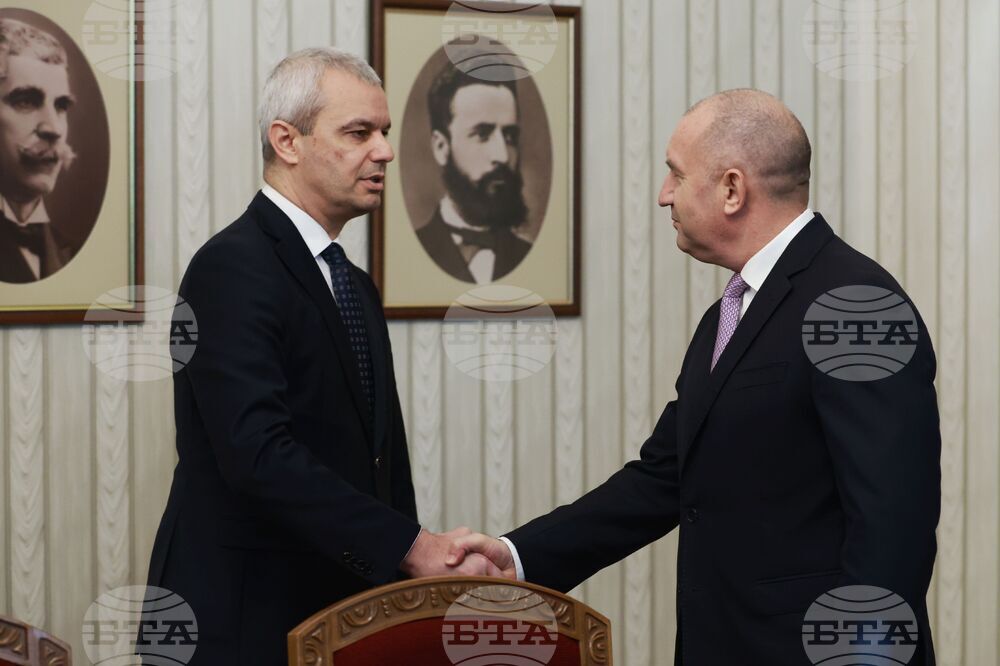
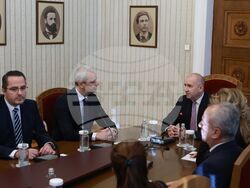
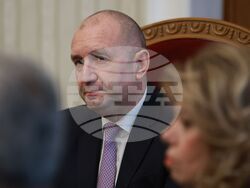
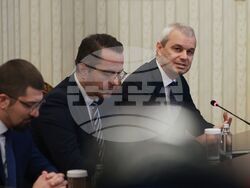
Bulgaria’s socio-economic and political situation is complex, President Rumen Radev said at the start of consultations with Vazrazhdane on Tuesday, held ahead of the awarding of exploratory mandates to form a government. The President asked the third-largest parliamentary group whether the 51st National Assembly still has prospects for a new governing configuration or whether the country should move towards snap parliamentary elections.
Radev also sought Vazrazhdane’s views on possible amendments to the Election Code to improve transparency, fairness and trust in the electoral process, referring to conclusions by the Constitutional Court on organisational and procedural shortcomings in the last parliamentary elections. He further asked whether the party sees risks related to the extension of the 2025 State Budget Act in view of the financial and economic situation expected at the beginning of next year.
Addressing Vazrazhdane’s request to convene a Consultative Council for National Security (CCNS) on Bulgaria’s accession to the euro area, President Radev said such a move would legitimise and “resurrect” a political authority whose “political death was sealed by the protests” and would turn the presidency into a platform for political campaigning. He added that the outcome of such a council would be predictable and a waste of time. Asked whether he supports the Bulgarian lev or the euro, Radev reiterated his position that Bulgarians should be consulted, recalling his proposal for a referendum on euro adoption.
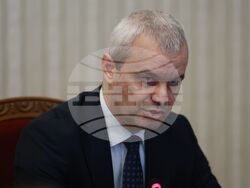
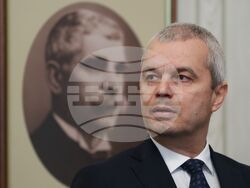
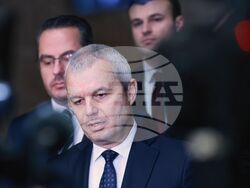
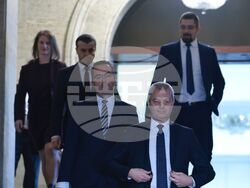
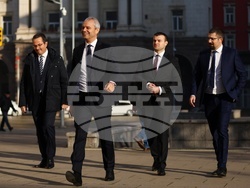
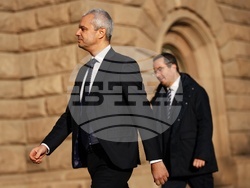
Vazrazhdane leader Kostadin Kostadinov said the party sees the current situation as a crisis and believes snap parliamentary elections as early as March are entirely feasible. He described the 51st National Assembly as “politically dead” and lacking legitimacy.
A central focus of Vazrazhdane’s position was opposition to Bulgaria’s entry into the euro area from January 1. Kostadinov said the country is being pushed “illegally” into the eurozone in the absence of a regular government and a functioning budget. He warned that euro adoption under current conditions risks triggering sharp price increases and repeating a “bad version of the shock therapy of the early 1990s”. The party has proposed legislative changes to postpone Bulgaria’s entry into the eurozone by at least one year and insists that the issue should be discussed politically at the highest level.
Kostadinov said Vazrazhdane had requested the convening of a CCNS to hear the positions of all political parties on euro adoption and added that the party’s MEP Stanislav Stoyanov will seek a meeting with European Commission President Ursula von der Leyen to present its concerns. He also said President Radev should have contacted the European Commission to explain, from an institutional standpoint, that the current domestic situation does not justify proceeding with eurozone entry.
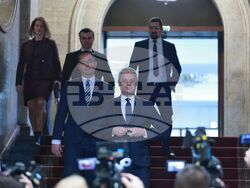
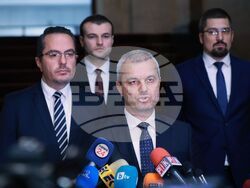
Vazrazhdane also voiced strong criticism of public finances. Kostadinov said the budget is not being executed properly, revenue collection stands at around 50% and the deficit is high. After the consultations, he told journalists that a new budget should be drafted without planned borrowing, arguing that debt serves to mask the real size of the deficit. He called for deep spending cuts, no new loans next year and a reduction in the number of ministries from 19 to 10. Vazrazhdane reiterated its opposition to the extension of the 2025 budget and to further debt accumulation, noting that it envisages BGN 19 billion in new debt.
On electoral matters, Kostadinov said high voter turnout is the most effective safeguard against manipulation. Responding to the President’s questions on the Election Code, he said Vazrazhdane does not want to legitimise the political status quo through amendments that would not be adopted. He reiterated the party’s support for fully machine-based voting and noted that Vazrazhdane has no representation in the Central Election Commission despite being a parliamentary party.
Under the Constitution, after consultations with the parliamentary groups, the President mandates the largest group to form a government. If it fails, the second-largest group is given a mandate, followed by a third exploratory mandate to a parliamentary group chosen by the President. Failure to form a government under the third mandate leads to snap parliamentary elections.
On Monday, the head of State held talks with representatives of the two largest political forces in Parliament – GERB-UDF and Continue the Change - Democratic Bulgaria, following the government’s resignation last week.
/MY/
Additional
news.modal.image.header
news.modal.image.text
news.modal.download.header
news.modal.download.text
news.modal.header
news.modal.text